University of Maryland

Blizzard Slames Northeast, Smashes Records

UMD/ESSIC/CISESS GOES-R Satellite Liaison for NWS WPC

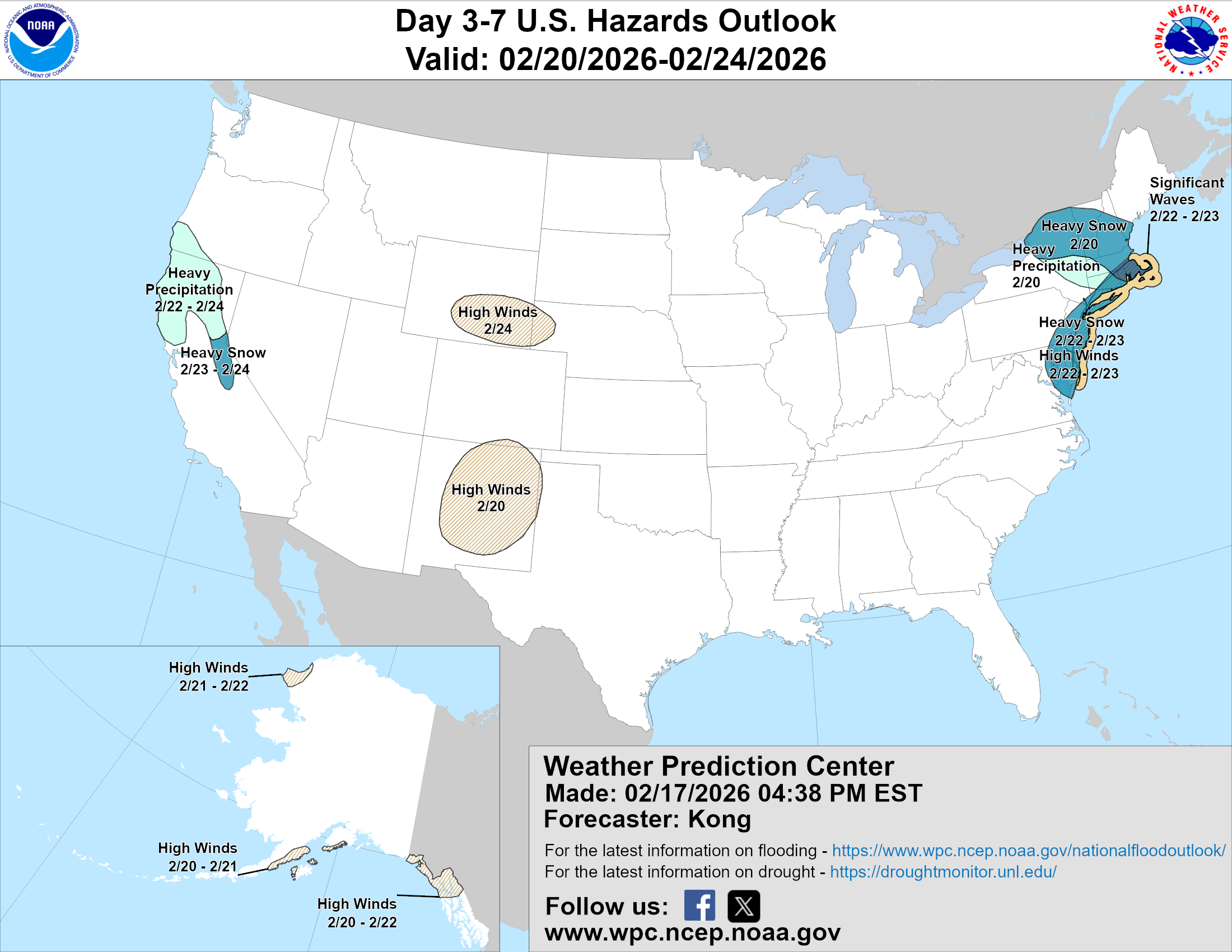
The Northeast U.S. ended a multi-year streak of avoiding a powerful nor’easter that would deliver a blizzard to the I-95 corridor. The NWS Weather Prediction Center stated in its Extended Forecast Discussion on the afternoon of 16 February 2026: “some potential exists for a coastal low by Sunday and early Monday, which may bring additional chances for winter weather”, over six days of lead time for most areas impacted by the blizzard.  The NWS WPC Days 3-7 U.S. Hazards Outlook issued on 17 February 2026 also highlighted the threat for Heavy Snow along the Mid Atlantic and Northeast Coast for 22 & 23 February 2026.

NWS WPC Days 3-7 U.S. Hazards Outlook
Figure 1: NWS WPC Days 3-7 U.S. Hazards Outlook, published at 2138 UTC 17 February, valid for 20 February to 24 February 2026.
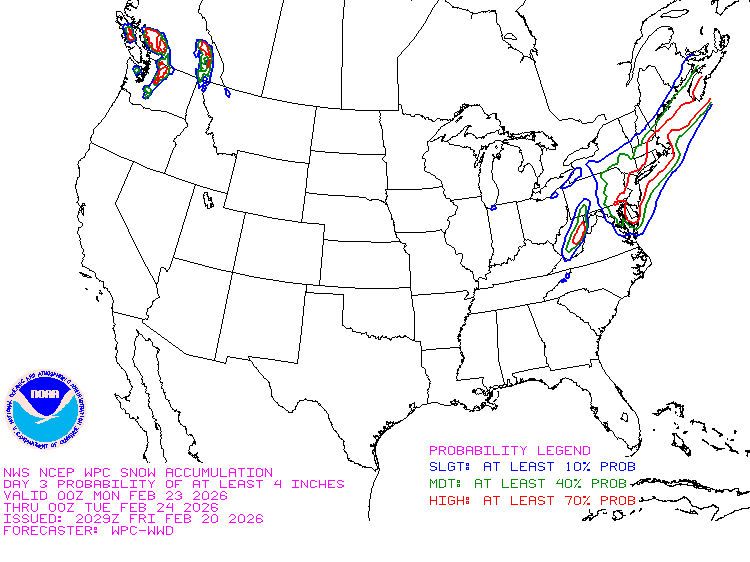
NWS WPC WWD Snow Accumulation Day 3
Figure 2: NWS WPC WWD Snow Accumulation Day 3 Probability of at Least 4" Forecast valid from 0000 UTC 23 February to 0000 UTC 24 February 2026.
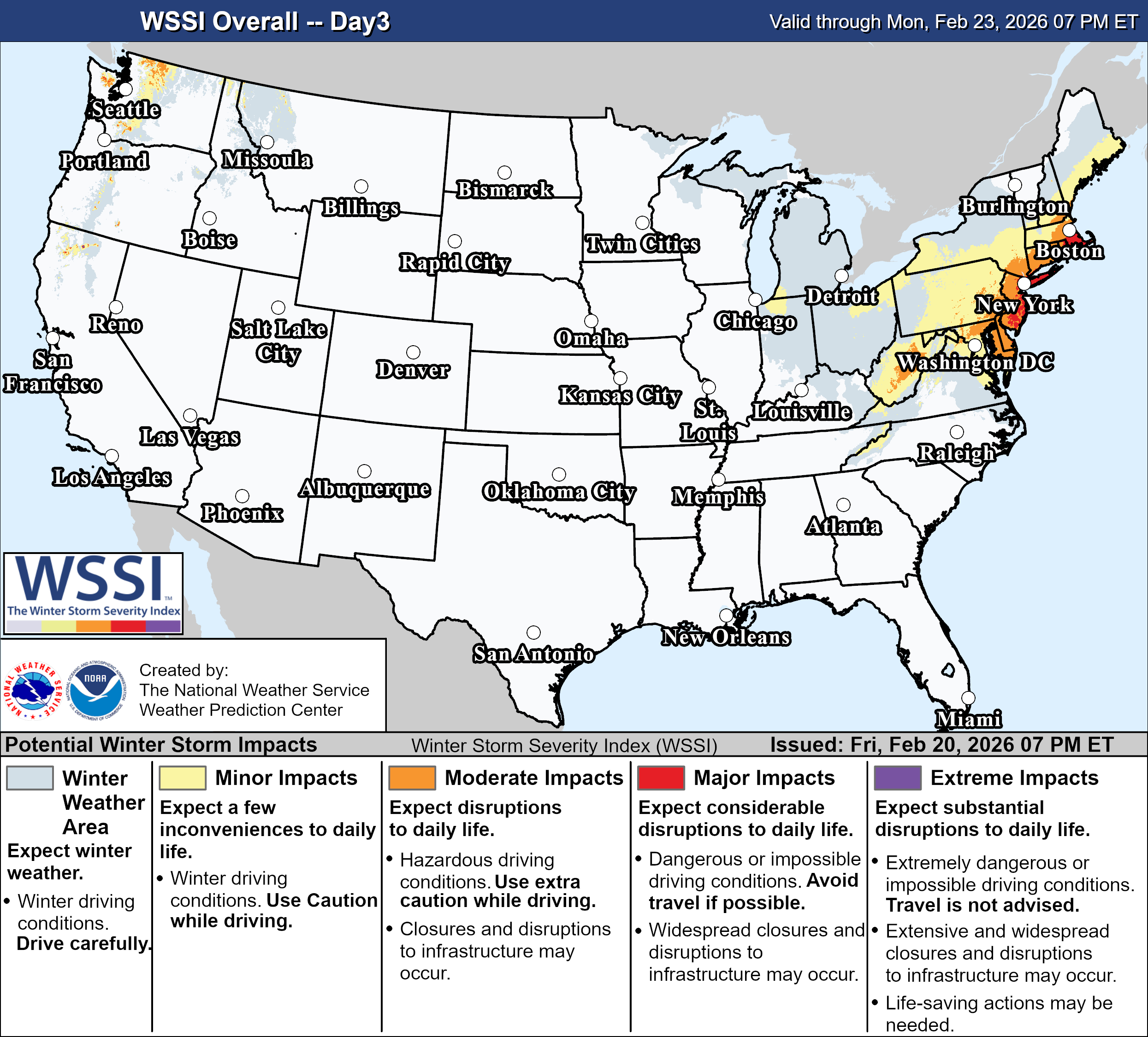
NWS WPC Day 3 WSSI
Figure 3: NWS WPC Day 3 WSSI issued at 0000 UTC 21 February, valid from 0000 UTC 23 February to 0000 UTC 24 February 2026.

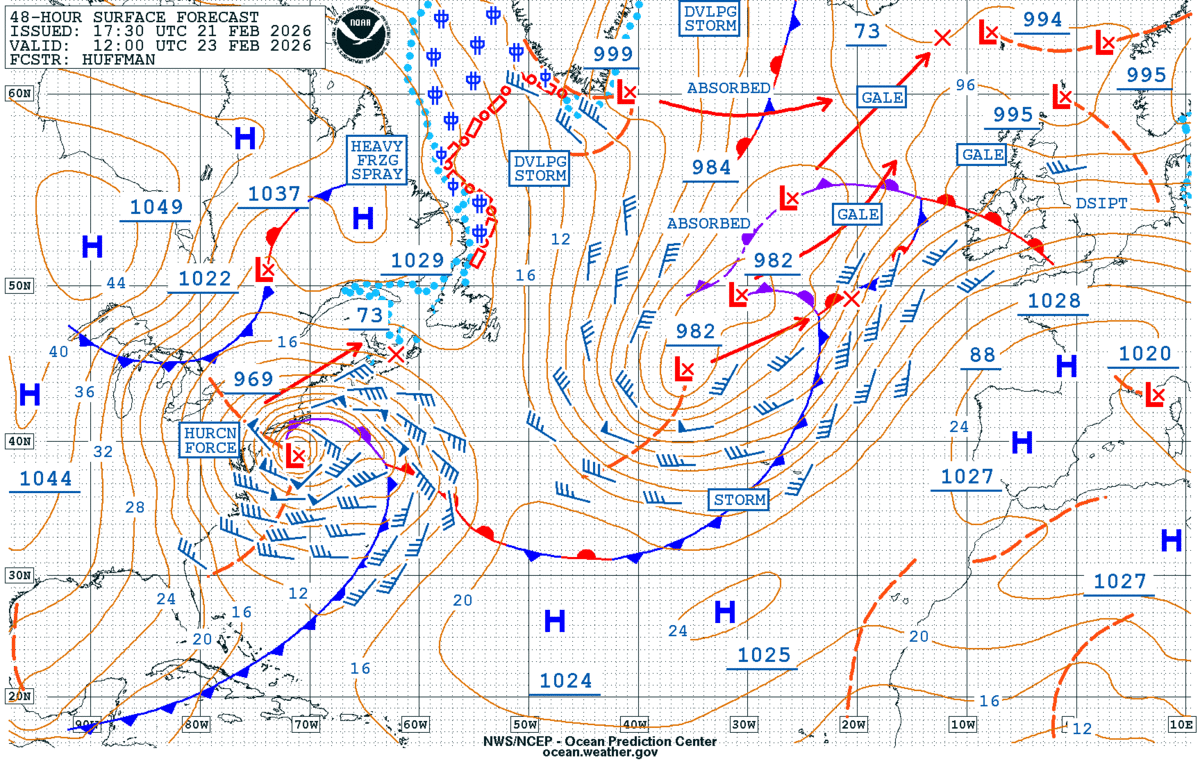
The NWS Ocean Prediction Center (OPC) was also tracking this nor’easter, which was expected to explode into a hurricane-force by 1200 UTC 23 February 2026, as shown in the North Atlantic 48 Hour Surface Forecast Chart.

NWS OPC North Atlantic 48-Hour Surface Forecast Chart
Figure 4: NWS OPC North Atlantic 48-Hour Surface Forecast Chart, issued at 1730 UTC 21 February, valid at 1200 UTC 23 February 2026.

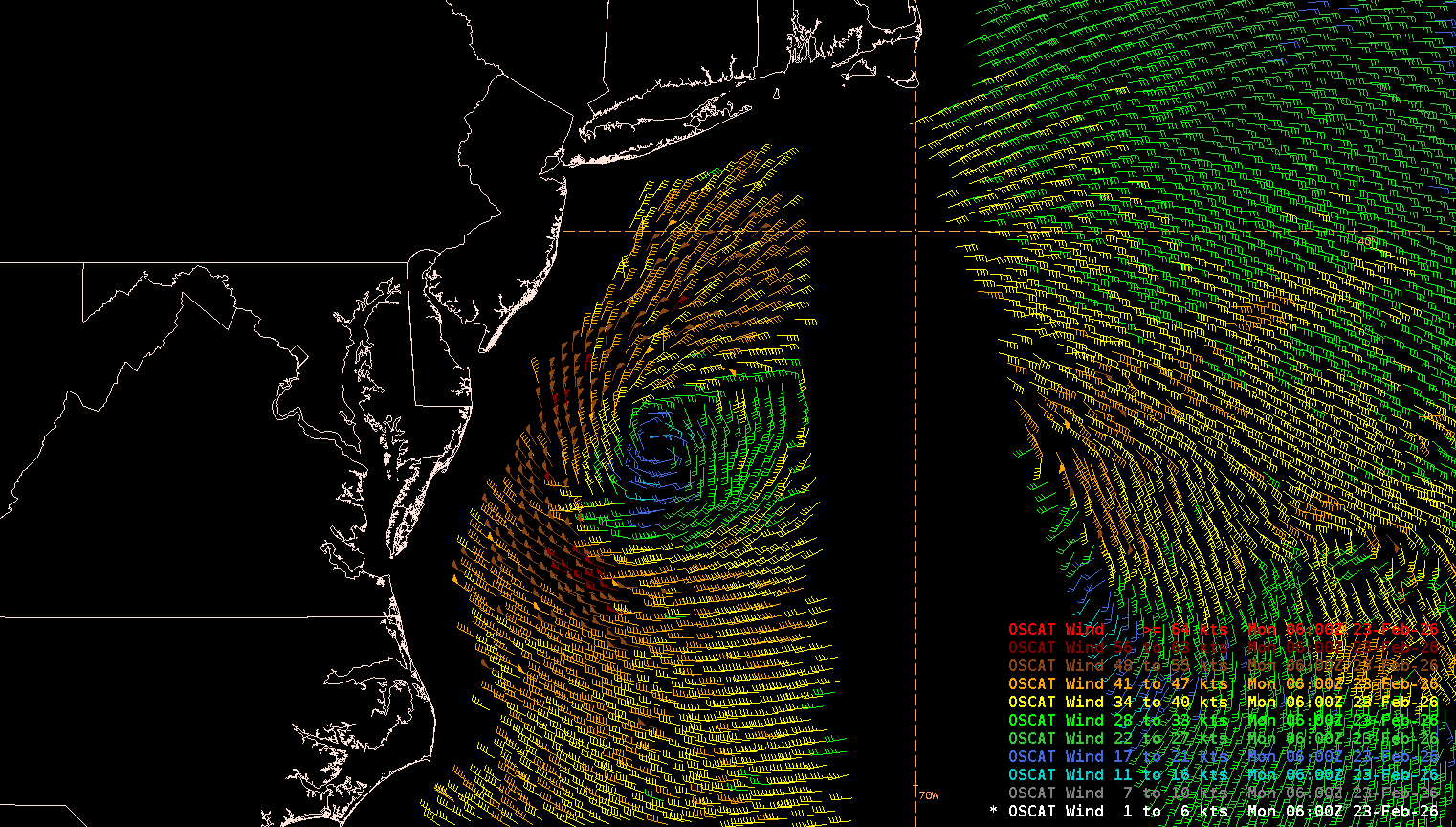
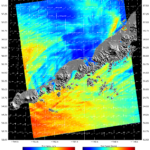
Just before the low pressure became hurricane-force, an OSCAT-3 scatterometer pass at ~0500 UTC 23 February 2026 revealed wind exceeding storm-force just offshore of Delmarva, in the system’s southern and western quadrants. OSCAT-3 was recently implemented in the NESDIS Common Cloud Framework (NCCF) and is now supported operationally in AWIPS.

OSCAT-3 scatterometer winds at ~0500 UTC 23 February 2026
Figure 5: OSCAT-3 scatterometer winds at ~0500 UTC 23 February 2026. This image was exported from AWIPS, and display files can be shared upon request.

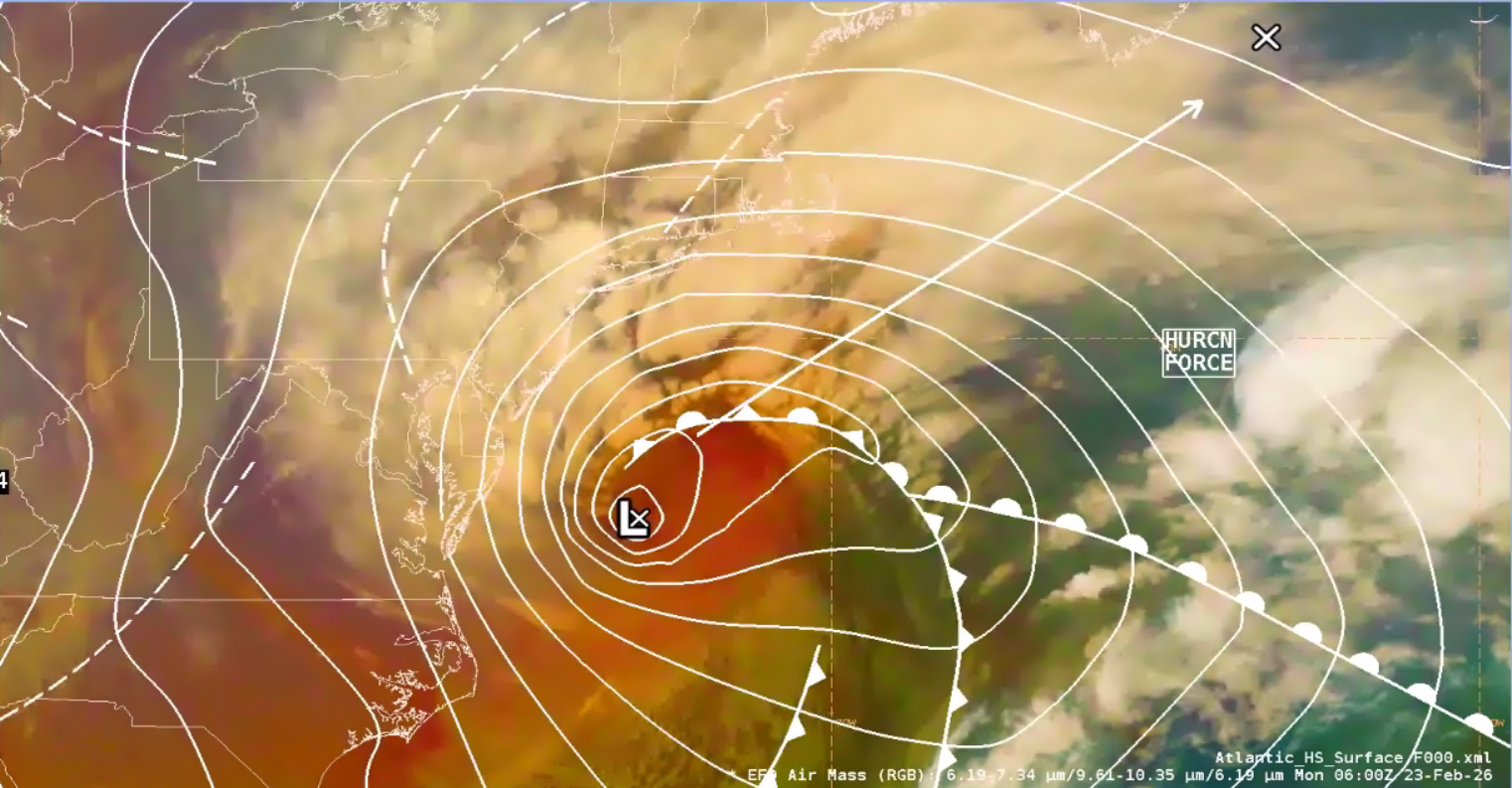
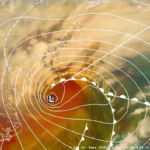
NWS OPC North Atlantic Surface Analysis overlaid on GOES-East Air Mass RGB imagery at 0600 UTC 23 February 2026 showed the dynamic nature of the hurricane-force low. In addition to the stratospheric intrusion of potential vorticity, a large cloud-free area can be seen in the southern and eastern quadrants of the low pressure, a classic signature of intense extratropical cyclones. These regions can sometimes contain ‘sting jets’ with very high wind speeds, causing sea spray.

GOES-East Air Mass RGB overlaid with the NWS OPC North Atlantic Surface Analysis
Figure 6: GOES-East Air Mass RGB overlaid with the NWS OPC North Atlantic Surface Analysis valid at 0600 UTC 23 February 2026. This image was exported from AWIPS, and display files can be shared upon request.

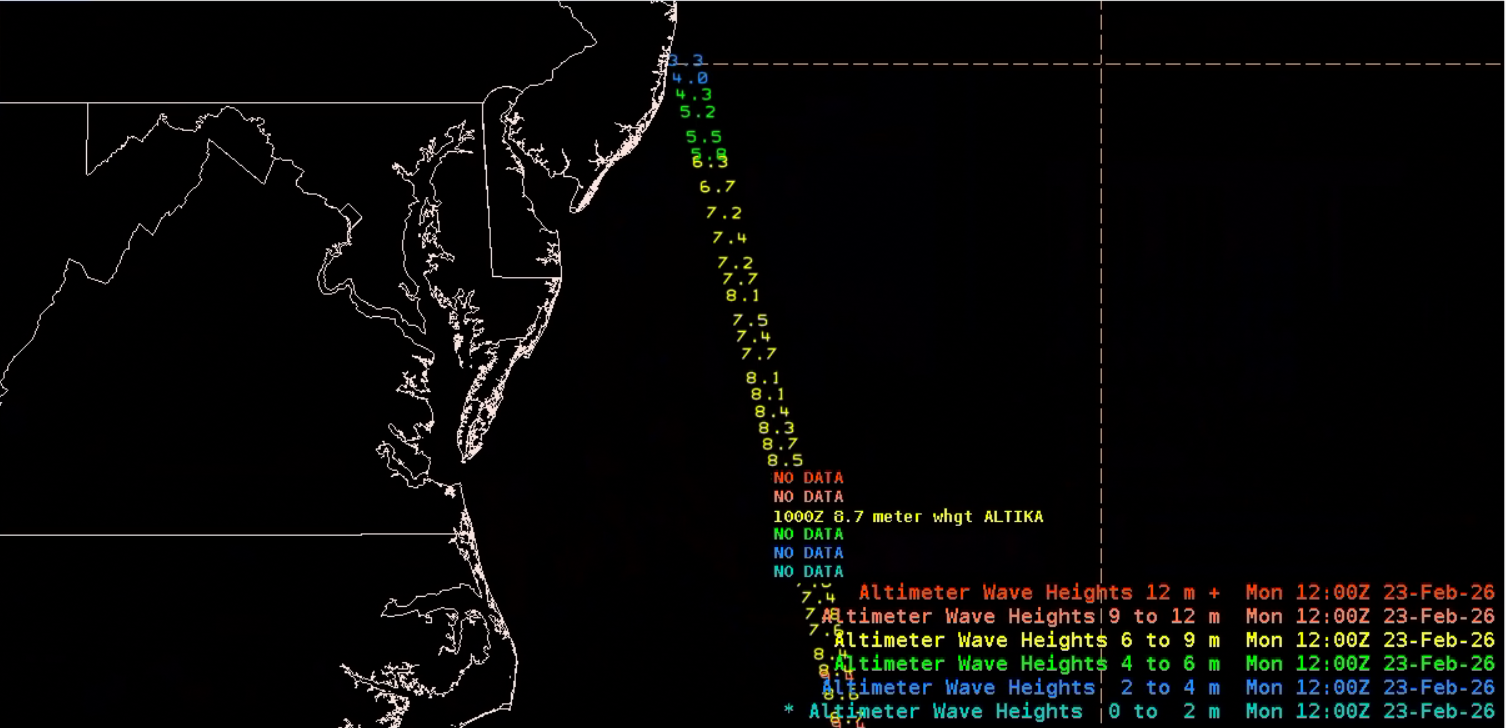
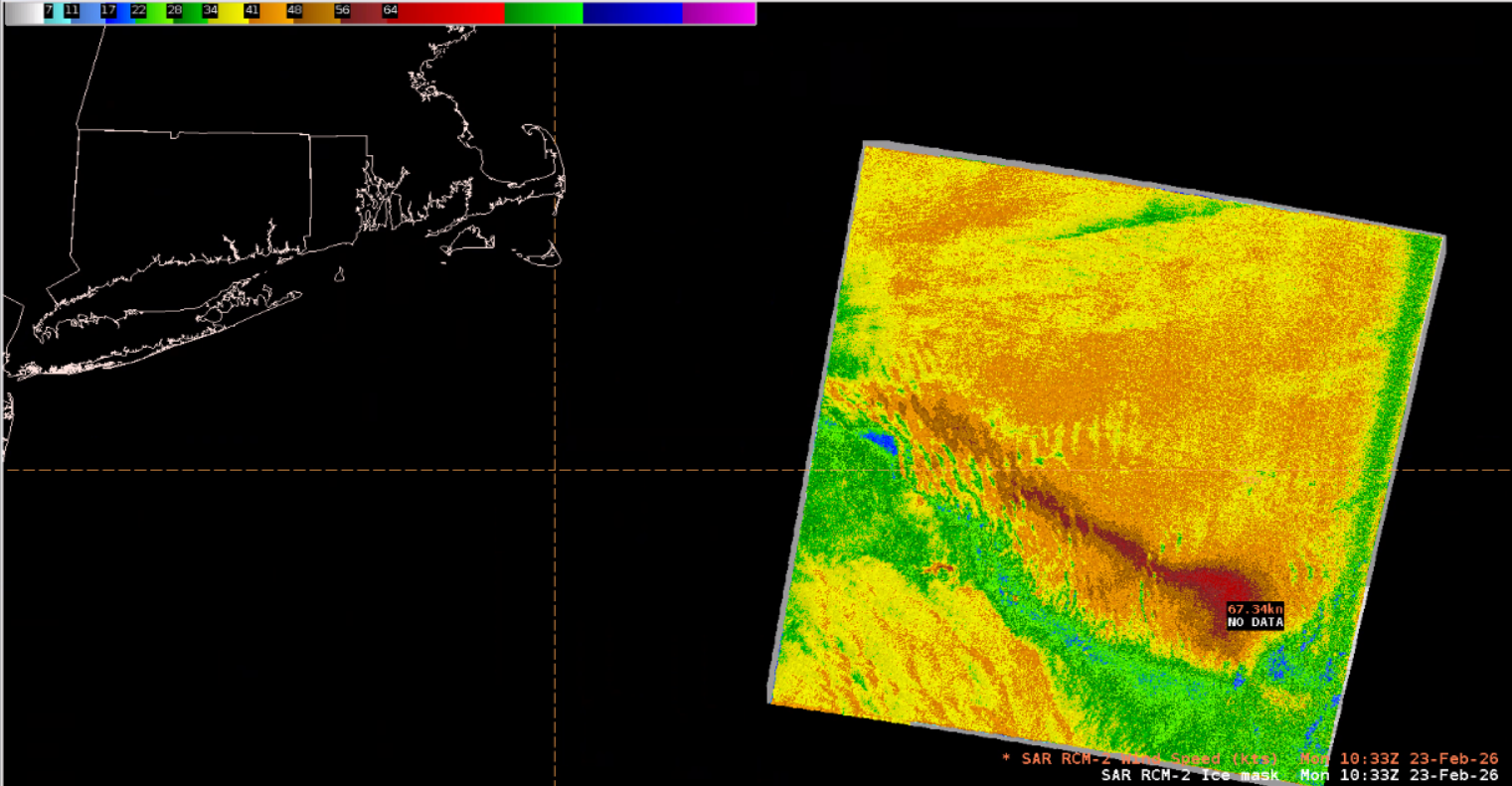
The hurricane-force winds helped extremely large waves develop not far off the Mid Atlantic Coast. An Altika altimeter pass at 1000 UTC 23 February 2026 observed significant wave heights over 8.5 meters, or over 27 feet! A RadarSat Constellation Mission-2 (RCM-2) Synthetic Aperture Radar (SAR) pass at nearly the same time captured hurricane-force winds near 70 knots along the occluded front.

Altika altimeter pass valid at 1000 UTC 23 February 2026
Figure 7: Altika altimeter pass valid at 1000 UTC 23 February 2026. This image was exported from AWIPS, and display files can be shared upon request.
RCM-2 SAR pass valid at ~1030 UTC 23 February 2026.
Figure 8: RCM-2 SAR pass valid at ~1030 UTC 23 February 2026. This image was exported from AWIPS, and display files can be shared upon request.

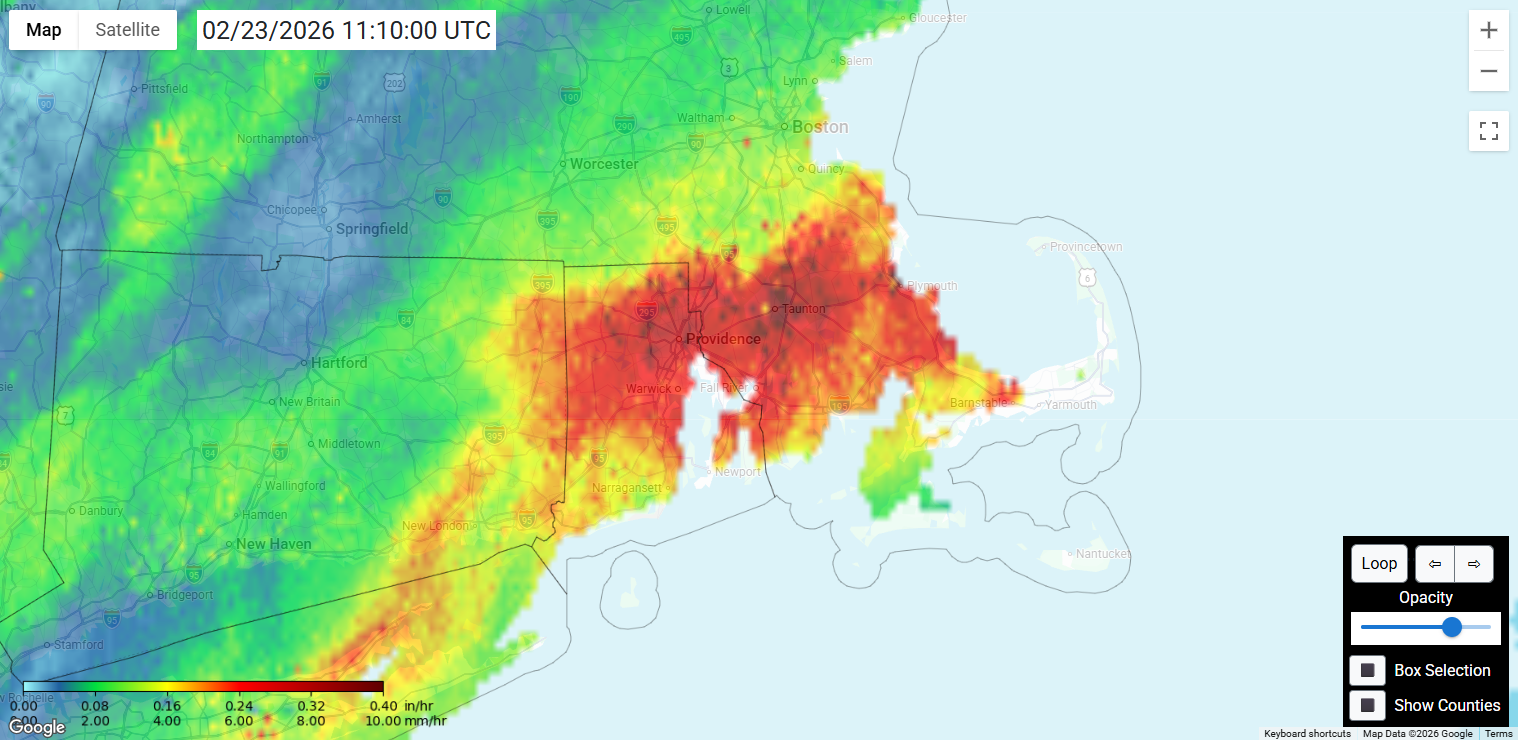
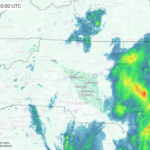
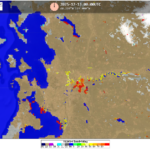
Providence, RI, was the big winner for this snowstorm, receiving its largest total on record with 37.9 inches, smashing the old record of 28.6 inches set during the Blizzard of ’78 and setting a new preliminary state record. The NESDIS Merged Snowfall Rate (mSFR) Product captured some heavy snowfall rates during the morning of 23 February 2026, with liquid-equivalent precipitation rates of about 0.25″/hour. With 10:1 snowfall rates, this would equate to roughly 2-3 inch per hour snowfall rates.

NESDIS mSFR product output
Figure 9: NESDIS mSFR product output at 1110 UTC 23 February 2026. From CISESS

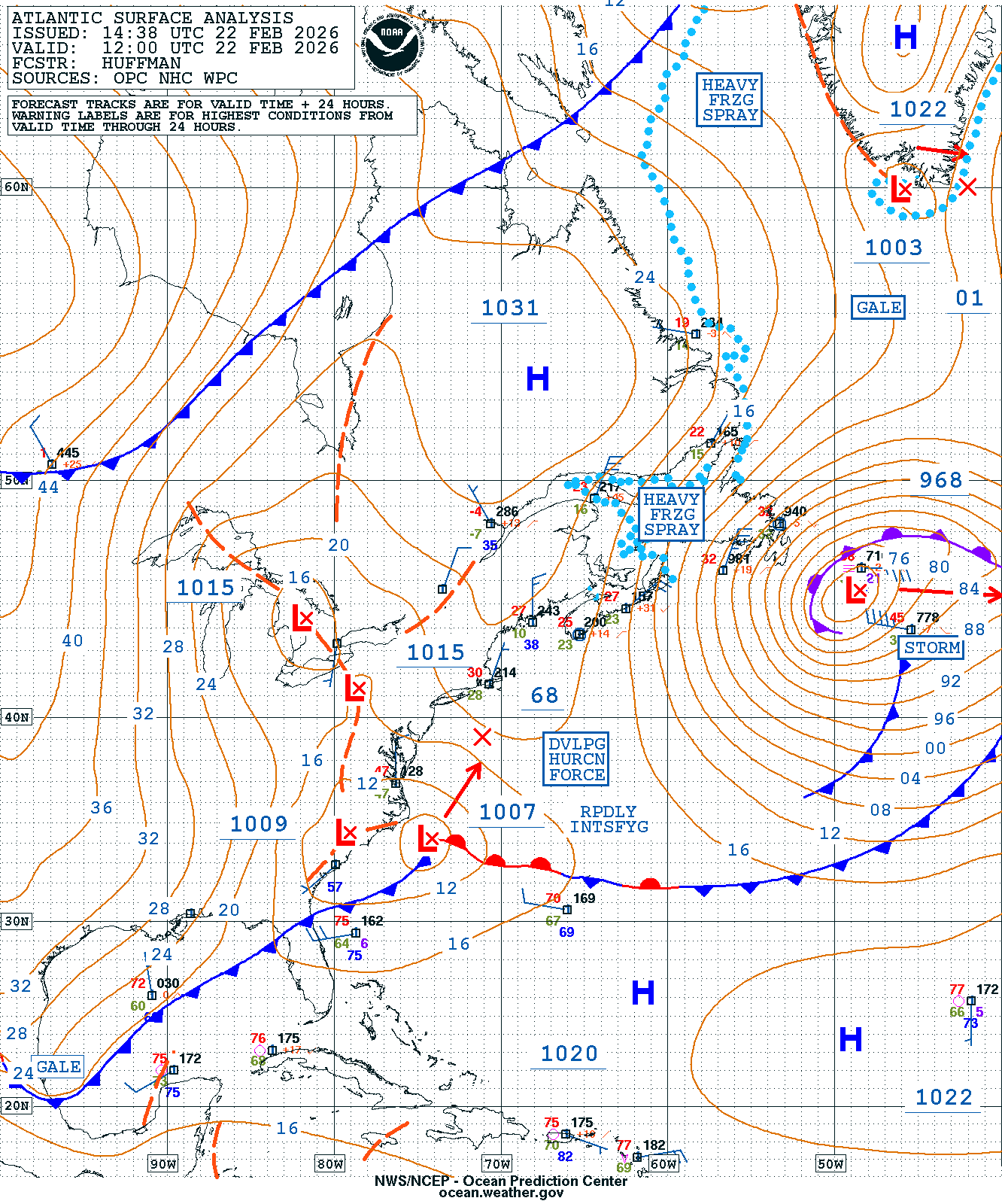
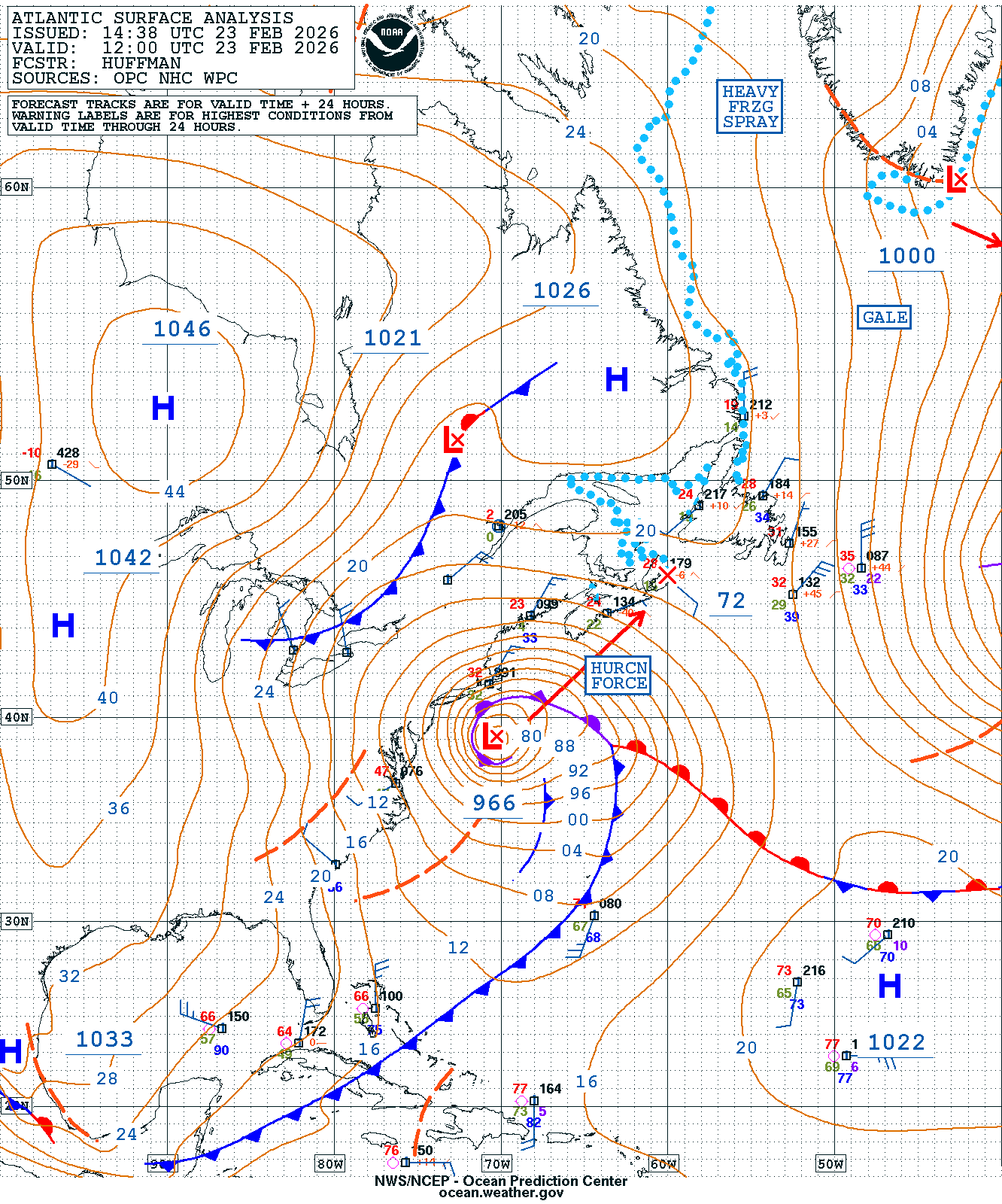
NWS OPC North Atlantic surface analyses showed that the nor’easter rapidly intensified, dropping from a pressure of 1007 hPa at 1200 UTC 22 February to 966 hPa at 1200 UTC 23 February 2026, a 41 hPa drop in 24 hours!

NWS OPC North Atlantic Surface Analysis
Figure 10: NWS OPC North Atlantic Surface Analysis valid at 1200 UTC 22 February (left) and 1200 UTC 23 February 2026 (right)
NWS OPC North Atlantic Surface Analysis

GOES-East CONUS visible imagery provided a great look at the evolution of the nor’easter as the sun rose on 23 February 2026. You’ll notice the intense low pressure system even has an ‘eye-like’ feature.

Figure 10: GOES-East Visible Band 02 imagery captures the hurricane-force low as the sun rises from 1131 to 1536 UTC on 23 February 2026.

Five states, including NJ, NY, CT, RI, & MA, received at least two feet of snowfall, with wind gusts topping out at a whopping 84 mph at Montauk Point, NY.

Picture of Christopher Smith

Christopher Smith

Christopher Smith joined ESSIC/CISESS, University of Maryland in 2023 and is the GOES-R Satellite Liaison for the NWS Weather and Ocean Prediction Centers. Smith works to interpret experimental satellite imagery and products, and make such products available to forecasters and the NWS for a route to operations. He trains forecasters how to use satellite imagery in weather forecasting, while also delivering forecaster feedback to satellite developers to maximize meteorological satellite capabilities. Smith is an alumni of the UMD Atmospheric & Oceanic Science (AOSC) Department, and his long-term interests include infusing AI-Satellite Products to increase lead time in decision making for forecasters.