Miralles-Wilhelm Published in New Food-Energy-Water Nexus Book
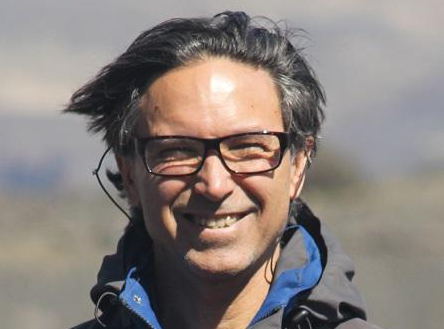
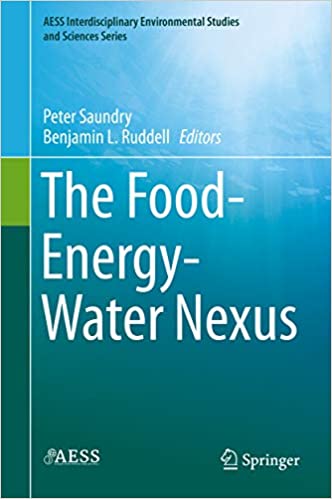
ESSIC Director / AOSC Chair Fernando Miralles-Wilhelm is a co-author in a new book now available titled “The Food-Energy-Water Nexus”.

ESSIC Director / AOSC Chair Fernando Miralles-Wilhelm is a co-author in a new book now available titled “The Food-Energy-Water Nexus”.

In a new article out in The Wire, ESSIC/AOSC Professor Raghu Murtugudde argues for a dedicated Infectious Disease Forecasting (IDF) center to bring centralized public health decision-making to India.

ESSIC scientists Thomas Wild and Fernando Miralles-Wilhelm have a new paper out in the Journal of Open Research Software about Metis, a new tool that could empower policymakers to make more informed choices concerning infrastructure planning.

Ralph Ferraro was a co-author on an article published in Advances in Meteorology titled “Intercomparison and Validation of MIRS, MSPPS, and IMS Snow Cover Products”.

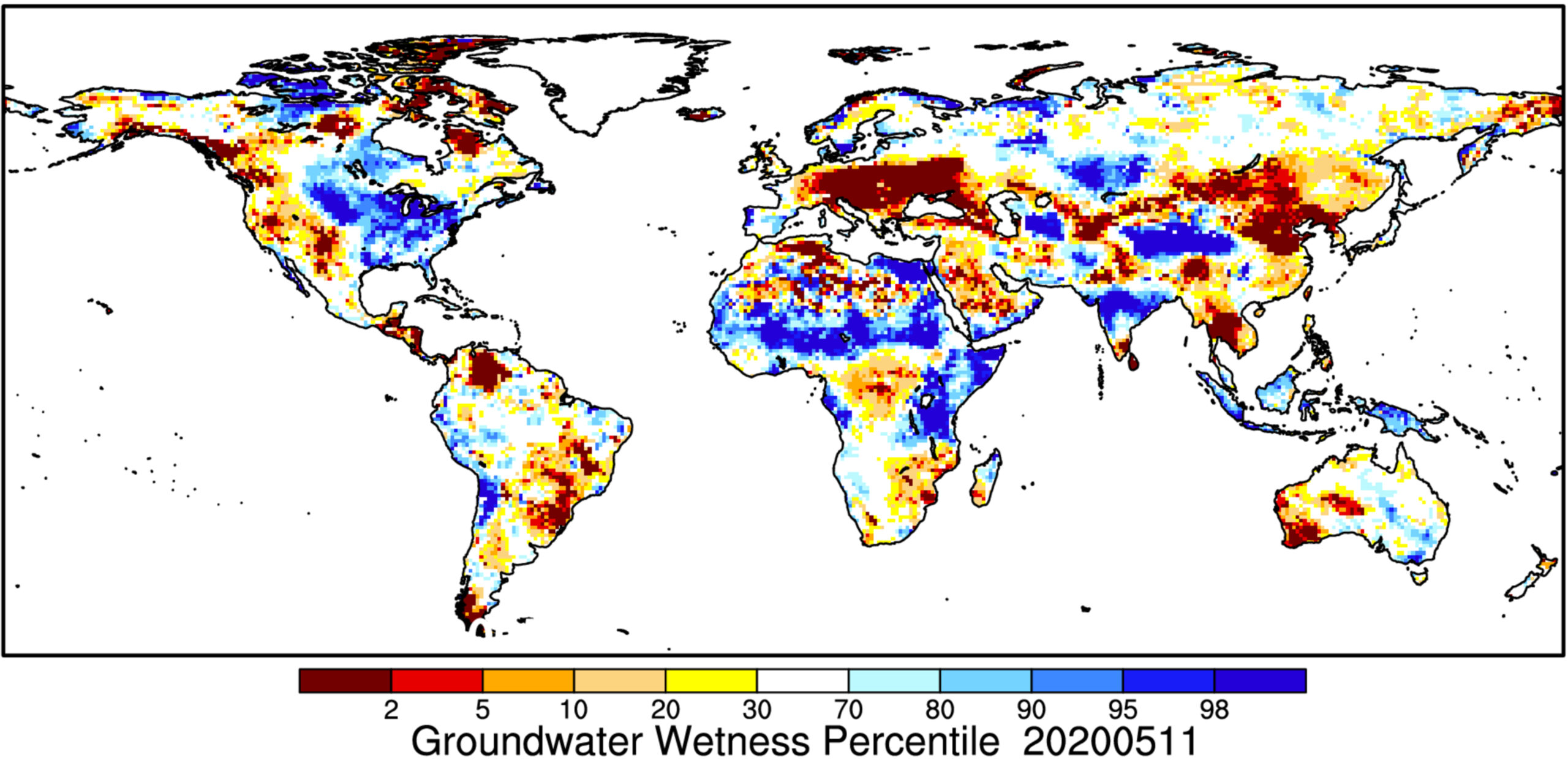
ESSIC Assistant Research Professor Thomas Wild has a new article in the Journal of Hydrology titled “100 years of data is not enough to establish reliable drought thresholds”. Wild’s co-authors include Robert Link, Abigail Snyder, Mohamad Hejazi, and Chris Vernon from the Joint Global Change Research Institute.

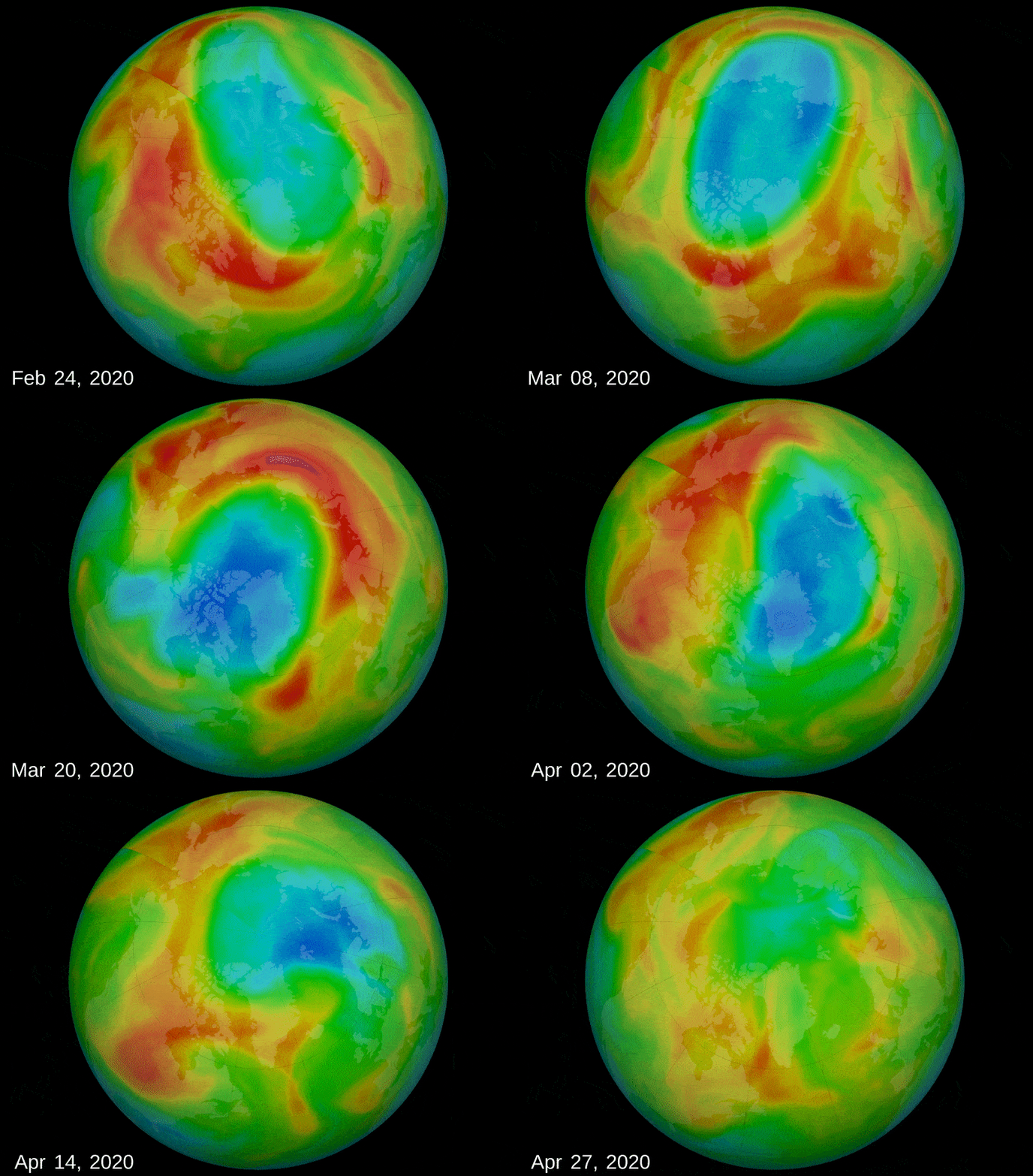
A large ozone hole has opened up above the Arctic, its size rivaling the famous Antarctic ozone hole that forms in the southern hemisphere each year.

Visiting Associate Research Professor Ariana Sutton-Grier has a new article about the importance of wetlands in mitigating the consequences of natural disasters. The paper, titled “Protecting wetlands for people: Strategic policy action can help wetlands mitigate risks and enhance resilience”, is in the June 2020 issue of Environmental Science and Policy.

ESSIC/CISESS scientists Scott Rudlosky (SCSB) and Daile Zhang along with former CICS scientist Michael Peterson recently collaborated on two articles concerning the appearance of lightning flashes and thunderstorm clouds.

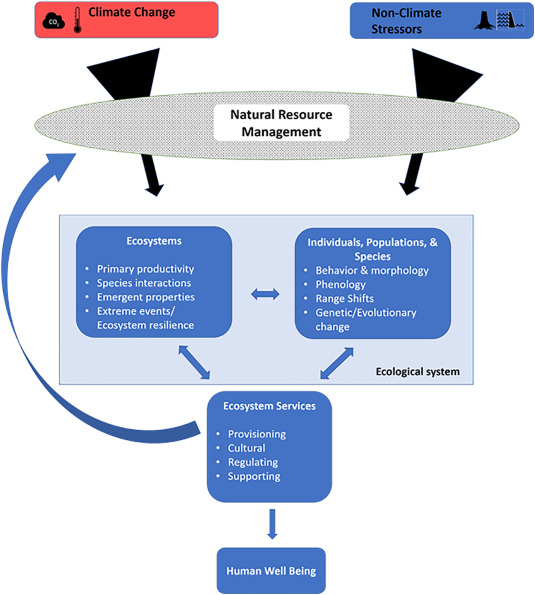
ESSIC Visiting Associate Research Professor Ariana Sutton-Grier has a new paper out in Science of the Total Environment about the impact of climate change on ecosystems and biodiversity.

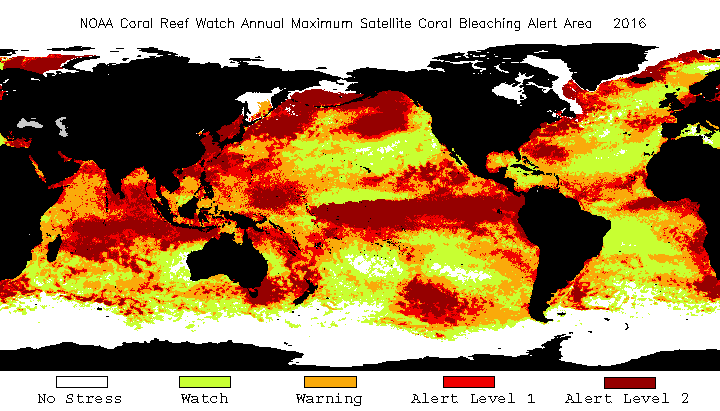
NOAA Coral Reef Watch’s (CRW) daily global 5km satellite coral bleaching heat stress products indicate high oceanic heat stress is present along the Great Barrier Reef (GBR) in Australia, and is expected to remain through March.