RSVP
ESSIC is once again hosting its annual Collaborative Partner Reception and Awards Ceremony on December 9, 2021 from 11:30 AM to 2 PM. This is

ESSIC is once again hosting its annual Collaborative Partner Reception and Awards Ceremony on December 9, 2021 from 11:30 AM to 2 PM. This is

With Halloween behind us, wintery temps are fast approaching College Park! This year, we are resurrecting the historic ESSIC Annual Snow Prediction Pool. This is your opportunity to show off your weather prediction skills to your colleagues and earn bragging rights for the entire 2021-22 snow season.

On October 24, a powerful Category 5 (the maximum possible) atmospheric river (AR) occurred over the northern and central parts of California. The storm system featured record breaking precipitation, leading to flooding and mudslides in some locations, along with dangerous winds exceeding 70 miles per hour at higher elevations. San Francisco recorded its fourth highest single-day rainfall amount of over 4 inches. Satellite passive microwave measurements are one of the observational tools that allow depiction of these extreme events, since microwaves are less affected by clouds and precipitation.

ESSIC/CISESS Scientist Jacqueline De La Cour was a contributor and reviewer of The Sixth Status of Coral Reefs of the World: 2020 Report, released by the Global Coral Reef Monitoring Network (GCRMN) on October 5th. This sixth edition is the first since 2008 and the first based on the quantitative analysis of a global dataset, compiled from more than 300 contributors and comprising almost 2 million observations from more than 12,000 sites in 73 countries.

ESSIC scientist Zhuosen Wang is a co-author of a chapter in Urban Remote Sensing titled, “US Cities in the Dark: Mapping Man-Made Carbon Dioxide Emissions Over the Contiguous US Using NASA’s Black Marble Nighttime Lights Product”.

Last month, researchers from the NASA Goddard Space Flight Center (GSFC) and the University of Maryland (UMD) Earth System Science Interdisciplinary Center (ESSIC) gathered to explore the challenges and opportunities in applying machine learning and artificial intelligence in Earth systems science.

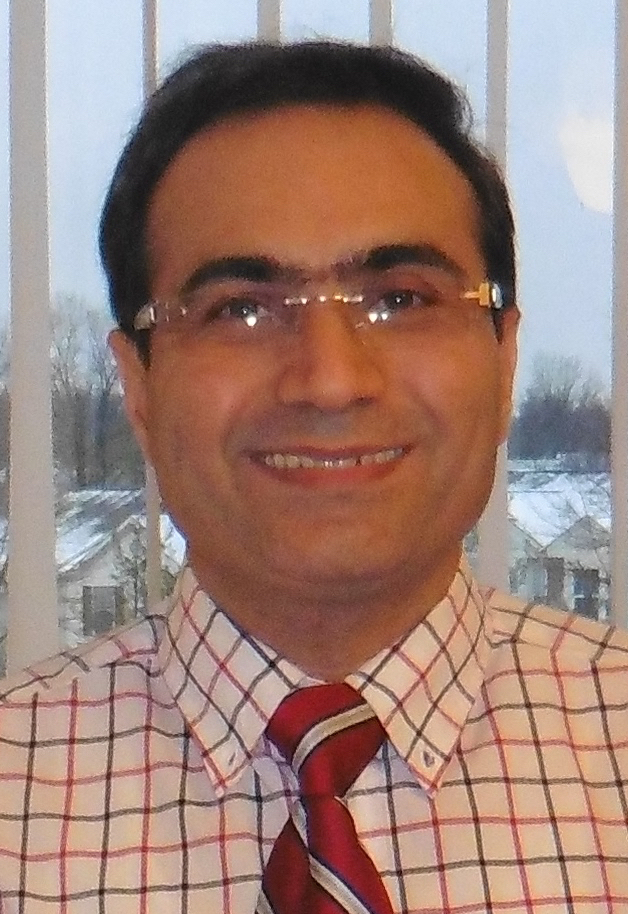
ESSIC Research Scientist Isaac Moradi presented a talk on October 19, 2021 as part of the Howard County High Schools G/T Intern/Mentor program on the Earth and Space Science fundamentals.

ESSIC Visiting Associate Research Professor Ariana Sutton-Grier has a new paper out in OneEarth about the importance of nature in climate resilient infrastructure. On this paper, Sutton-Grier worked with researchers from Texas A&M University, US Army Corps of Engineers, University of Georgia, Duke University, and more.

(SACRAMENTO, CA — October 21, 2021) OpenET, a new online platform that uses satellites to estimate water consumed by crops and other plants, launched today, making critical data for water management widely available in 17 western states for the first time amid record drought.

ESSIC scientist Weston Anderson is lead-author on a new paper that suggests that African food insecurity is being driven by an uptick in violent conflict. In the study published in Nature Food, Anderson worked with researchers from Columbia University, New York University, and Lamont Doherty Earth Observatory.