
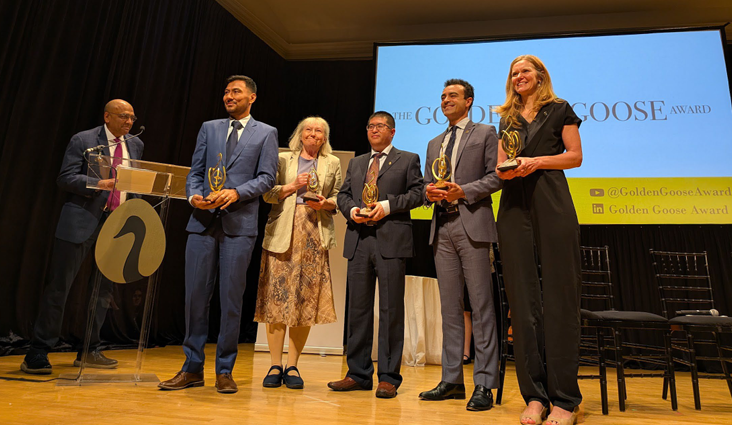
Zhuosen Wang – 2026 Golden Goose award
NASA’s Black Marble project has received the 2026 Golden Goose Award, recognizing the path from an unexpected scientific observation to a widely used Earth science

Anna Lienesch – Mississipppi State Northern Gulf Institute Letter of Recognition
Anna Lienesch received the Mississippi State Northern Gulf Institute Letter of Recognition for exceptional work developing and deploying the new Sampling Operations User Portal (SOUP)
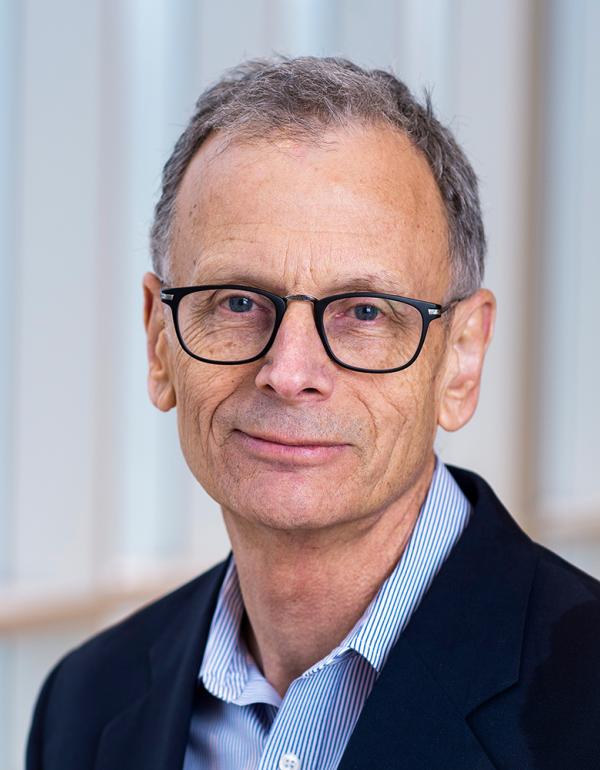
James Carton – GRL
James Carton was recognized for being an author of one of the top 10% of most-viewed papers published by Geophysical Research Letters in 2024.

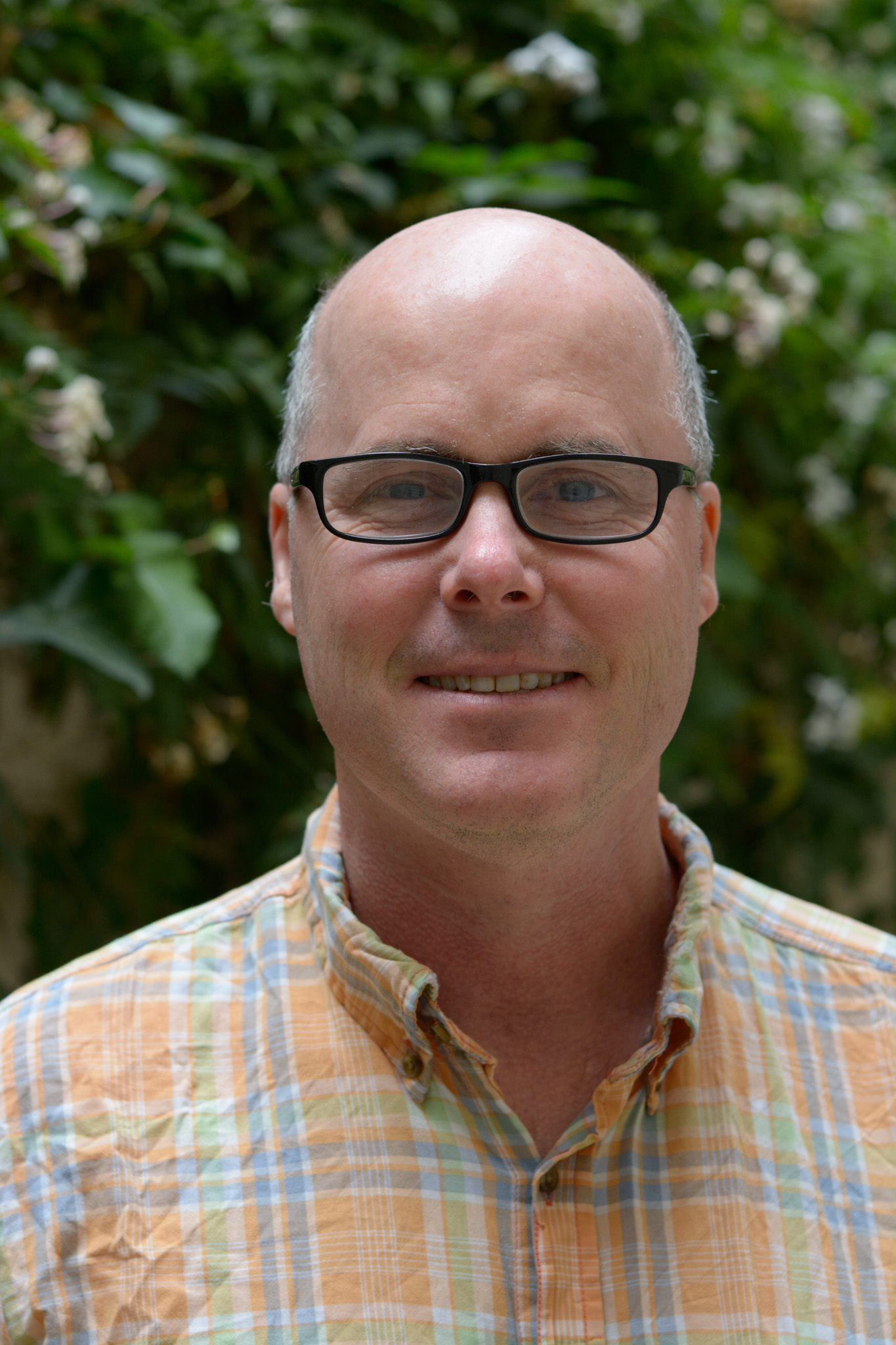
Patricia Parker – Earth Interactions
Patricia Parker has won the AMS Editor’s Award for Earth Interactions journal for “consistently high quality, considerate, thoughtful reviews that deeply engage with the material
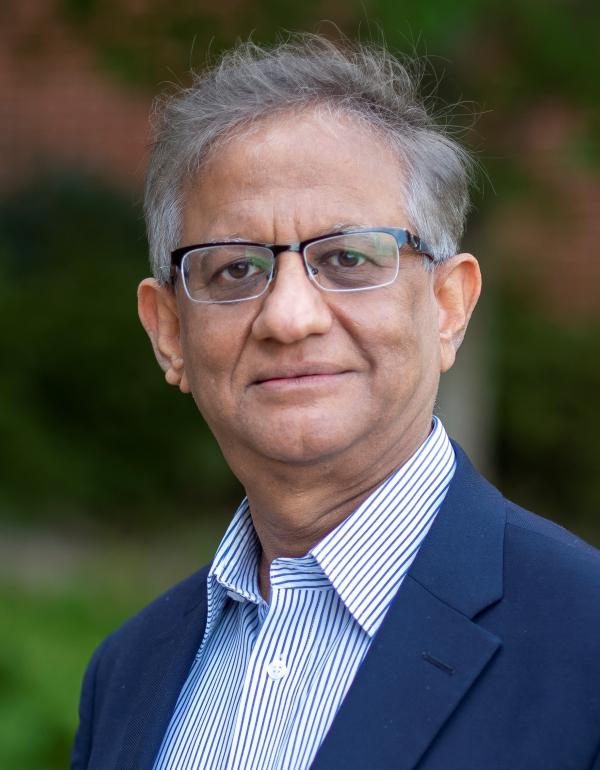
Sumant Nigam – DUP
Sumant Nigam was named a 2026 Distinguished University Professor. [Story]
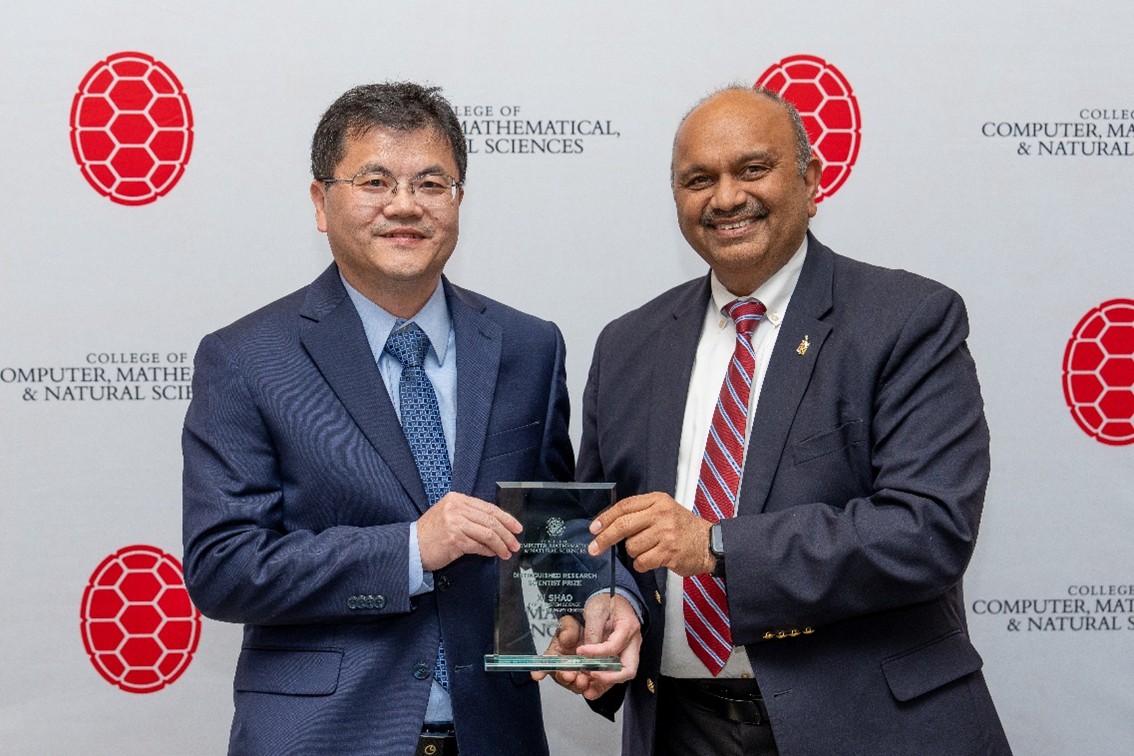
Xi Shao – Distinguished Research Scientist
Xi Shao received the CMNS Distinguished Research Scientist Prize 2026 in recognition of his more than 25 years of interdisciplinary research experience, advancing the mission
A Meteorologists’ Advice to Drivers in Severe Weather
ESSIC/CISESS scientist Will Miller was recently featured on the Sirius XM radio show, “On the Move with Dan Ronan”. The show is on “Road Dog
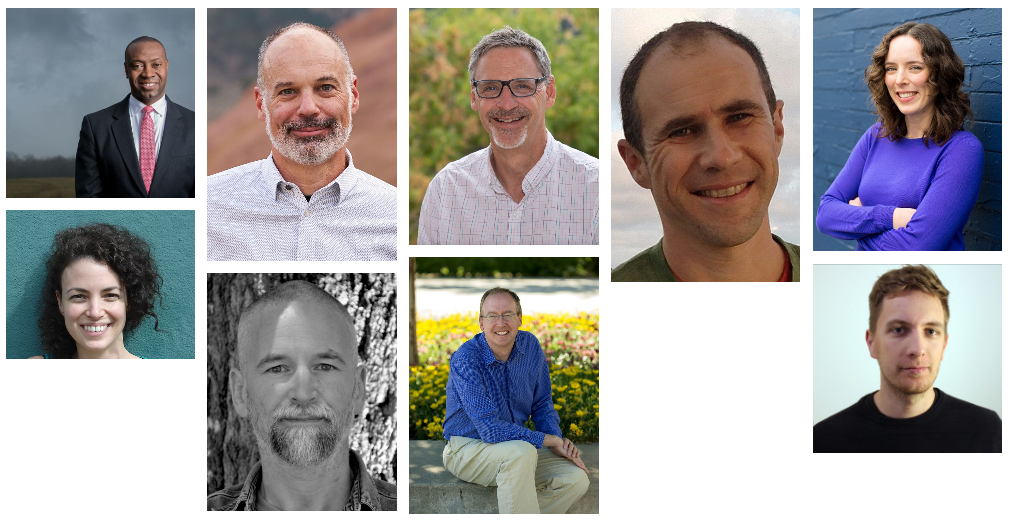
Welcome to the Fall 2026 ESSIC Seminar Series!
J. Marshall Shepherd, Regents Professor and Associate Dean of Franklin College of Arts and Sciences, University of Georgia Reed Maxwell, William and Edna Macaleer Professor