Using Satellite Microwave Data for Water Vapor Over Land
CISESS scientists Chris Grassotti and Yong-Keun Lee were coauthors of a paper published last week in the open access journal Remote Sensing.

CISESS scientists Chris Grassotti and Yong-Keun Lee were coauthors of a paper published last week in the open access journal Remote Sensing.

ESSIC Visiting Assistant Research Scientist Ryan M. Stauffer is a co-author on a report that discovered that the COVID-19 crisis reduced tropospheric ozone across the Northern Hemisphere.
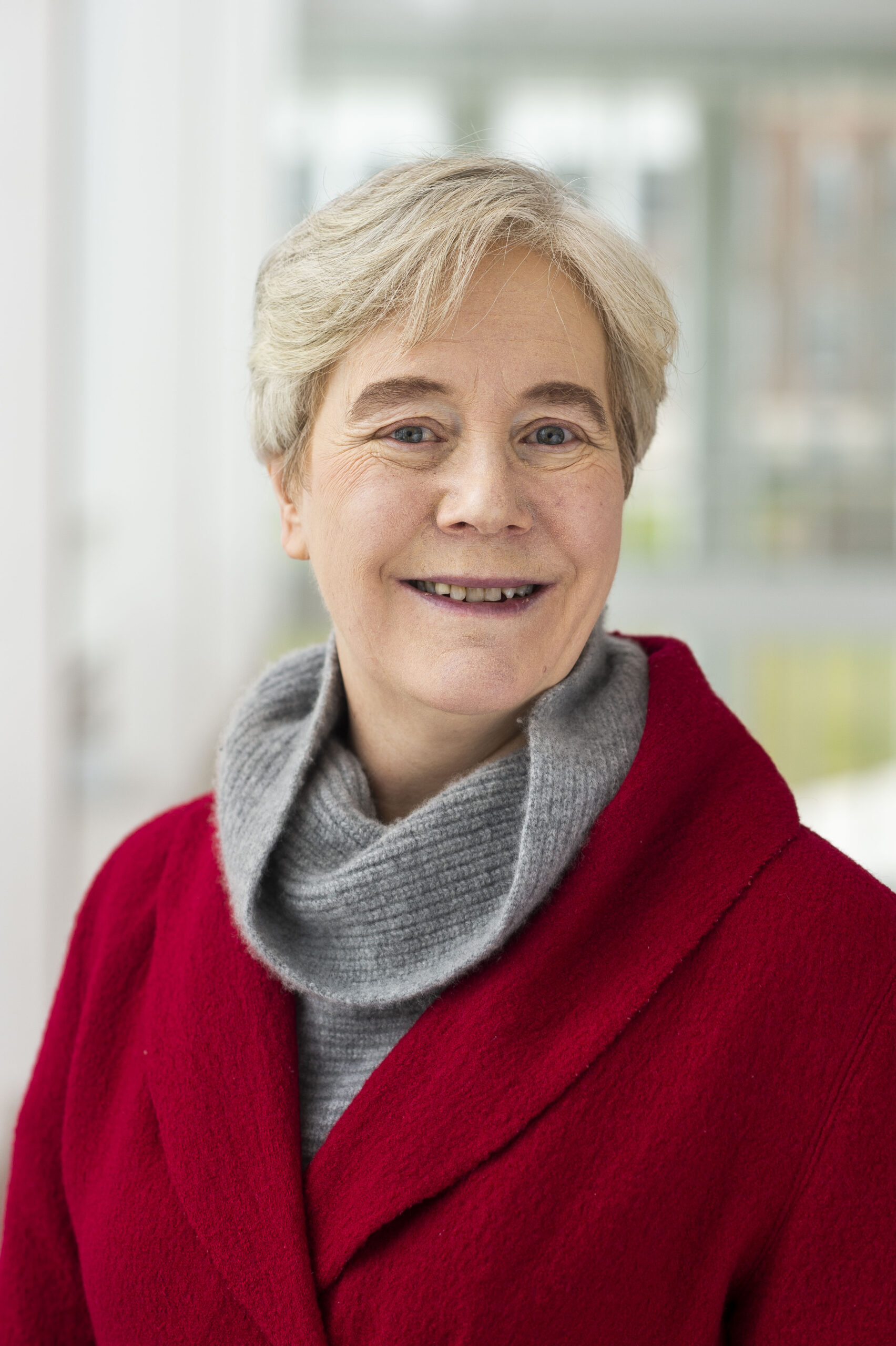
Ellen Williams is an optimist. And she believes in the power of science and technology to help society solve grand challenges, like transitioning to clean energy and combating climate change. Williams, a Distinguished University Professor in the University of Maryland’s Department of Physics and Institute for Physical Science and Technology, approaches these challenges with a broader scope of experience than most.
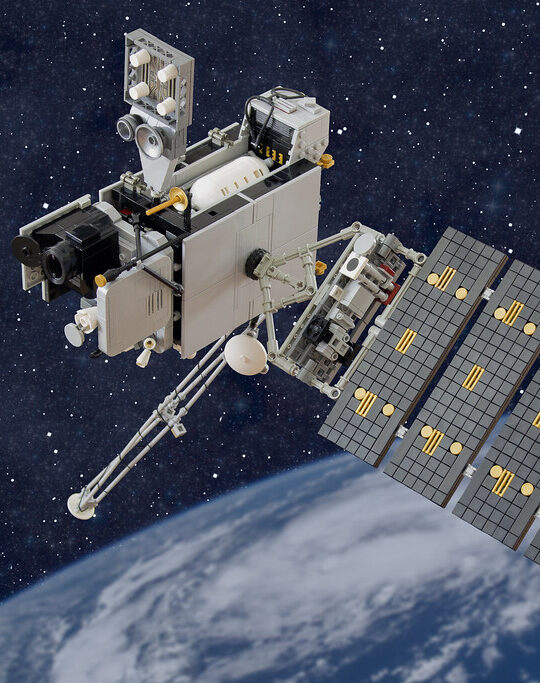
On January 21, ESSIC/CISESS Assistant Research Scientist Guangming Zheng gave a presentation on retrieving chlorophyll concentrations from the GOES-16 Advanced Baseline Imager (ABI) using Deep Learning techniques as part of the 2nd NOAA Workshop on Leveraging AI in Environmental Sciences.
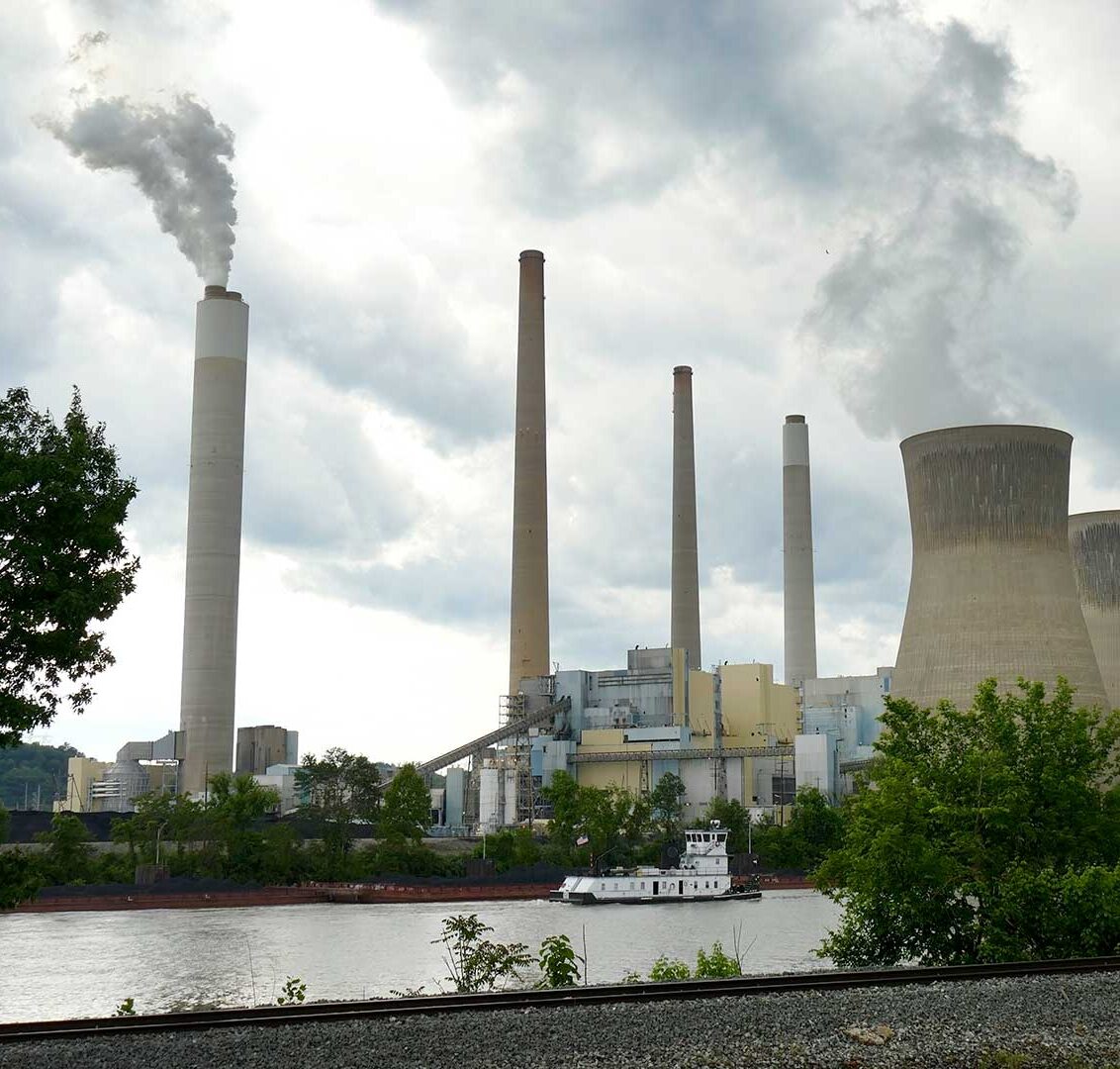
From revoking the permit on the Keystone XL natural gas pipeline to starting the process of reversing Trump-era polices on national monuments, endangered lands and species, and energy exploration, the environment stands near the top of President Joe Biden’s immediate agenda. The centerpiece was an Inauguration Day executive order to rejoin the Paris Climate Agreement, negotiated by the nations of the world (with key oversight from a Terp) to head off the devastating effects of climate change, from famines to coastal flooding.
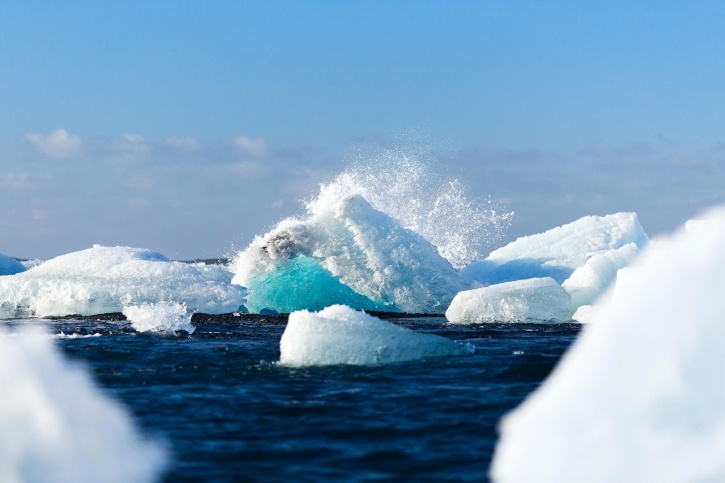
Since the industrial revolution, the emission of greenhouse gasses by human activities has been mainly responsible for global warming. This increased concentration of greenhouse gases in the atmosphere has caused an energy imbalance in the Earth’s climate system, with the world’s oceans absorbing 90% of this excess heat. This has led to an increase in ocean heat content (OHC) and sea level rise. In 2000, Levitus et al. developed the first global OHC time series, identifying a robust long-term ocean warming from 1948-98. Since then, many other analyses of global and regional OHC data have been performed.
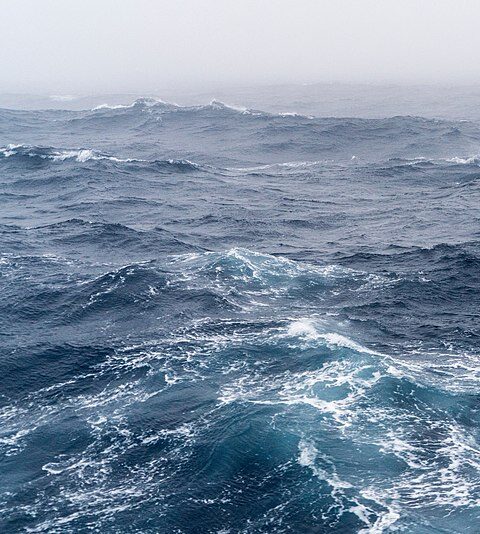
Youtong Zheng, ESSIC Assistant Research Scientist, and Zhanqing Li, Professor at ESSIC and University of Maryland’s Department of Atmospheric and Oceanic Science, were recently spotlighted in the U.S. Department of Energy’s Atmospheric Radiation Measurement (ARM) annual report for their paper, “Episodes of Warm‐Air Advection Causing Cloud‐Surface Decoupling During the MARCUS”.
Youtong Zheng, ESSIC Assistant Research Scientist, has recently been selected to join the Atmospheric Radiation Measurement (ARM) user facility’s User Executive Committee (UEC). Zheng is one of the seven new candidates joining the UEC this year and the only candidate from a University of Maryland institution.

ESSIC/CISESS Professors Ross Salawitch and Russell R.Dickerson as well as ESSIC/CISESS Assistant Research Professor Hao He have a new paper in Atmospheric Environment titled “Using near-road observations of CO, NOy, and CO2 to investigate emissions from vehicles: Evidence for an impact of ambient temperature and specific humidity”. The paper’s co-authors also include Dolly Hall, Xinrong Ren, and Timothy Canty from the University of Maryland’s Department of Atmospheric and Oceanic Science and Jennifer C. Hains, Daniel C. Anderson, and Cory R. Martin.
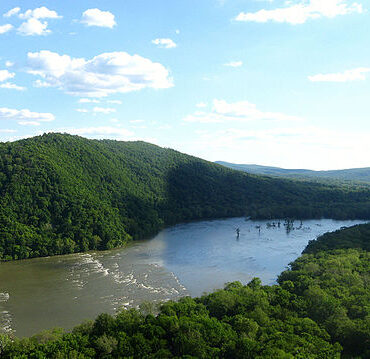
Sujay Kaushal, ESSIC and Department of Geology Associate Professor, recently published a paper in Water Research alongside co-authors from the University at Buffalo’s Department of Chemistry, UMD’s Department of Geology, and private firm Hazen and Sawyer.