Monitoring Nighttime Light Changes with NASA’s Black Marble
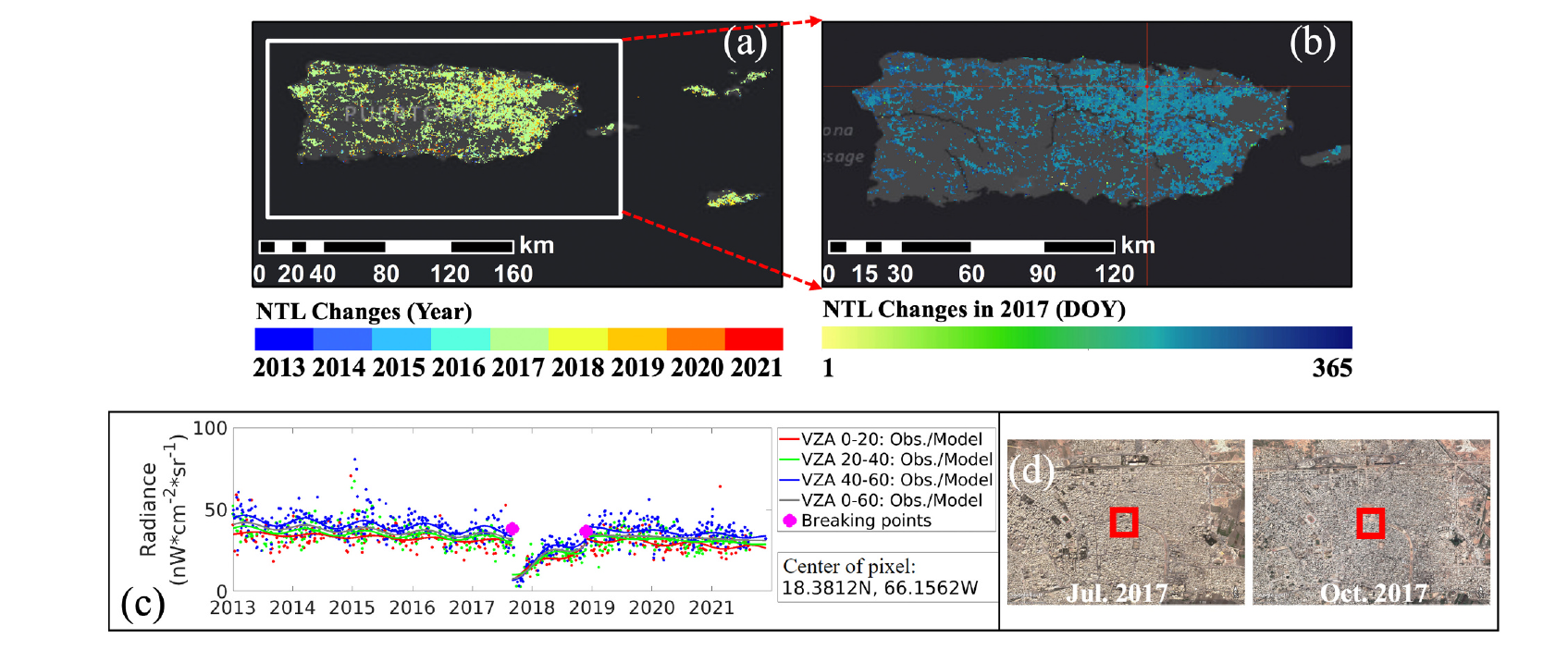
ESSIC Scientist Zhuosen Wang has a new paper in Remote Sensing of Environment that proposes the use of NASA’s Black Marble products to monitor nighttime light.

ESSIC Scientist Zhuosen Wang has a new paper in Remote Sensing of Environment that proposes the use of NASA’s Black Marble products to monitor nighttime light.

Tropical Storm Fiona struck Puerto Rico on September 17-18, 2022 causing catastrophic floods and leaving most of the island with a major power outage. Fiona is the first Atlantic storm this season to cause a major disaster. NPreciSe (NOAA Satellite Precipitation Validation System) led by the CISESS science team (Malar Arulraj, Veljko Petkovic, Ralph Ferraro, and Huan Meng), evaluated the performance of the Ensemble Tropical Rainfall Potential (eTRaP) forecasts during this event, using a recently added Multi-Radar/Multi-Sensor (MRMS) observation product over Caribbean Islands.

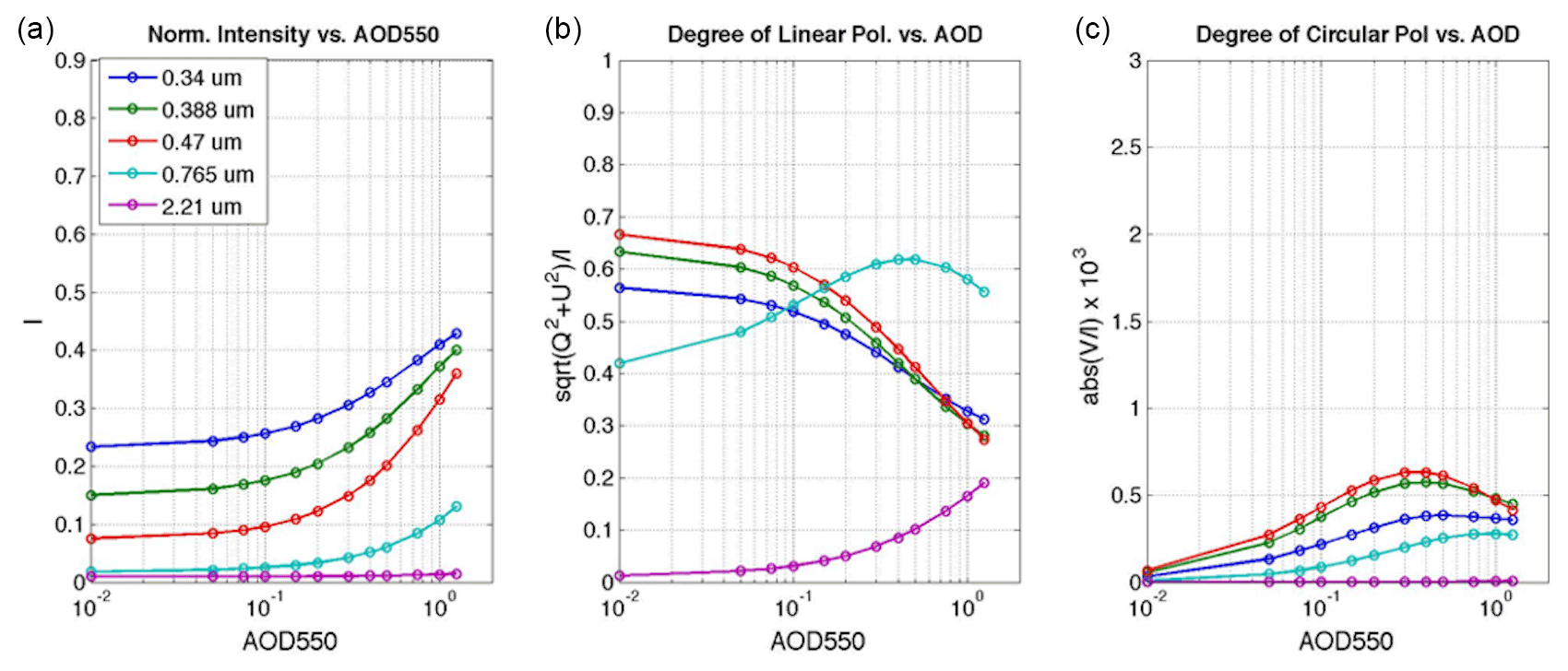
ESSIC/CISESS Scientist Lauren Zamora is first author on a new paper in Atmospheric Chemistry and Physics titled “Comparisons between the distributions of dust and combustion aerosols in MERRA-2, FLEXPART, and CALIPSO and implications for deposition freezing over wintertime Siberia”.

Coastal Alaska was devastated by flooding due to the remnants of Typhoon Merbok (Figure 1a) on September 17, 2022. Storm surge flooded communities along 1,000 miles (1,609 km) of Alaska’s west coast, damaging homes, submerging roads and triggering evacuations. Satellite measurements recorded 17 observations of significant wave height exceeding 14 m (46 feet) on September 16-17 2022 (Figure 1b, dark red dots). Such a sea state is defined as “phenomenal” by the World Meteorological Organization (WMO). During the 48-hour period, 5% of all satellite radar altimeter observations in the Bering Sea exceeded 9m (30 ft), defined as “very high” seas by the WMO (Figure 1c) and 19% of observations exceeded 6m (20 ft), WMO “high” seas.

ESSIC/CISESS Scientists Melanie Abecassis and Ronal Vogel received the NESDIS Collaboration Awards for their contributions as part of a team who created new and upgraded existing content exploiting multimedia, and pivoted the CoastWatch Satellite Course to a virtual environment, hosting educational content on CANVAS at UMD/CISESS.

NOAA Coral Reef Watch’s satellite Bleaching Alert Area product shows high heat stress persists in the South and East China Seas, impacting coral reefs throughout the region.

NOAA Coral Reef Watch (CRW) has released a new version (v4.0) of its world-renowned daily global 5km-resolution satellite coral bleaching heat stress monitoring product suite.

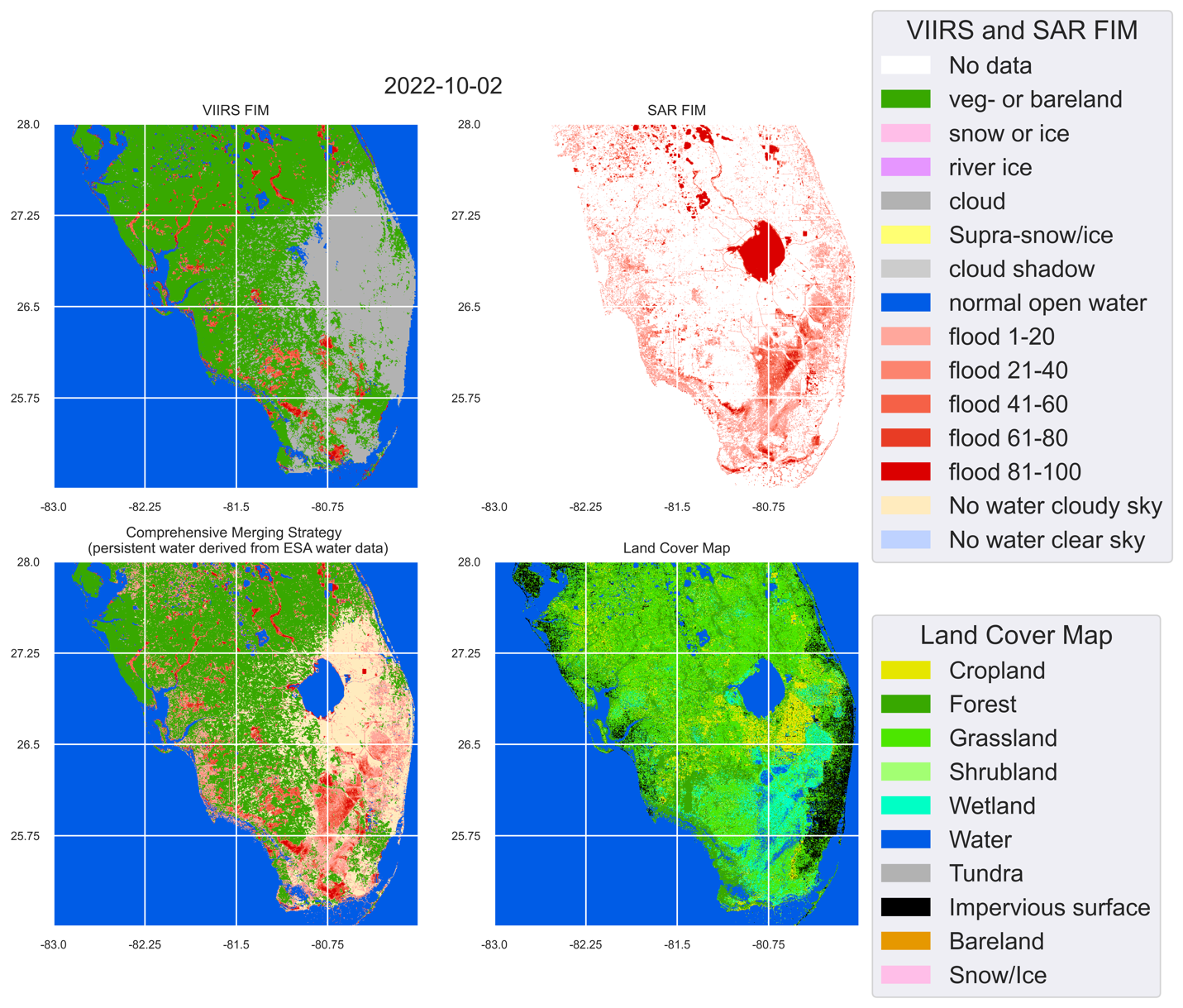
ESSIC/CISESS Scientist Qingyuan Zhang has collaborated with NOAA’s Sean Helfrich (STAR/SMCD) to explore and document the Red River flood in 2022.

ESSIC/CISESS scientist Daile Zhang was invited to serve on the Board of Directors and Executive Committee of the African Centres for Lightning and Electromagnetics Network (ACLENet).

Ron Vogel, ESSIC/CISESS Senior Faculty Specialist, and Melanie Abecassis, ESSIC/CISESS Assistant Research Scientist, designed and taught a specially tailored NOAA CoastWatch satellite training class for the fisheries research community. The fishery researchers use tagged fish to understand population dynamics and ecosystem change; however, use of satellite data in this research is still somewhat limited. In order to fill this gap, the class featured satellite parameters that are underutilized in this research but have been identified by the fisheries community as an area for research growth, such as satellite-derived seascapes, geostrophic currents, sea surface height anomaly and salinity.