Over the past week, Hawaii has been soaked by a relentless deluge, largely driven by a persistent Kona Low. The NWS Weather Prediction Center (WPC) highlighted the signal for heavy rainfall early, as stated in its Hawaii Extended Forecast Discussion issued early on 06 March 2026: “A multi-day flash flood risk is becoming increasingly likely over at least part of the islands by Tuesday through the rest of next week.” WPC carried this messaging over the next several days, and posted a Weekly Weather Update on 09 March 2026, including a GOES-West Full Disk (FD) animation of the mid-level water vapor (WV) imagery that showed the Kona Low spinning northwest of Hawaii.
Figure 1: GOES-West FD Mid-Level WV Band 8 imagery from 1020 to 1700 UTC 09 March 2026. This animation was created from AWIPS, and display files can be shared upon request.
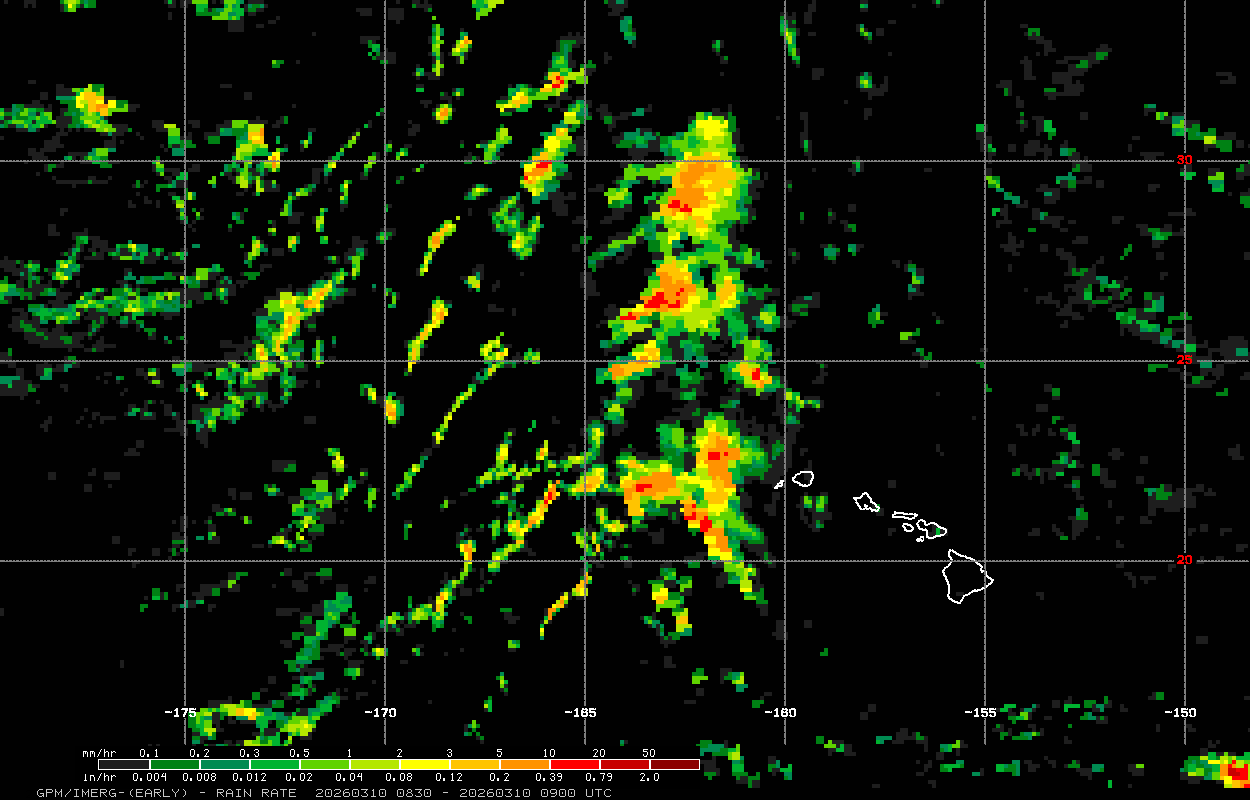
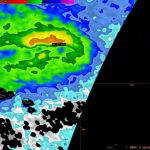
Heavy rainfall was inching closer to Hawaii on 10 March 2026. Integrated Multi-satellitE Retrievals for GPM (IMERG) – Early (lower data latency with extrapolation) output at 09 UTC 09 March 2026 showed rainfall rates of 0.39 to 0.79″ per hour in convective cells just west of the state.
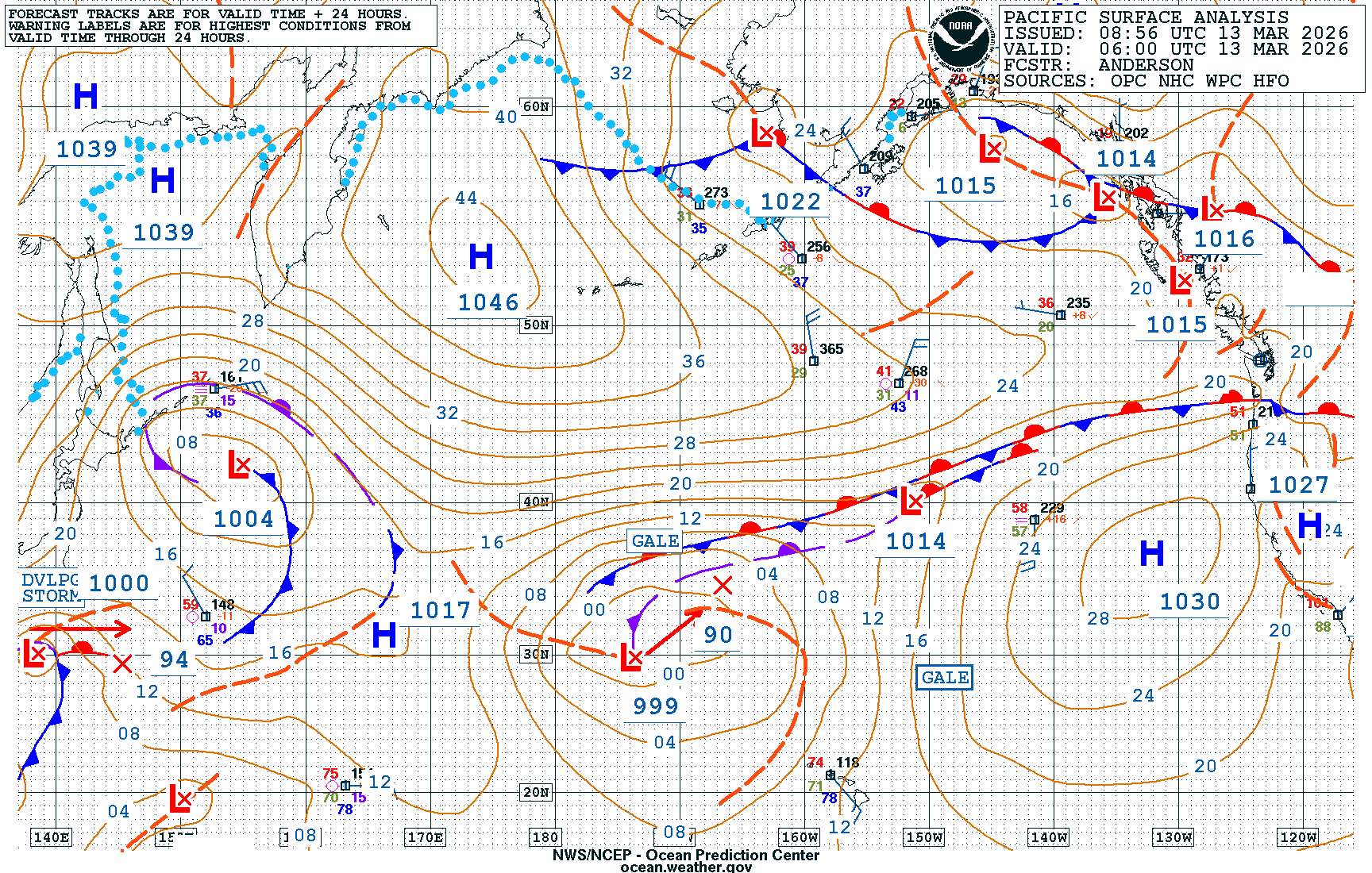
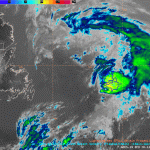
Impacts from the Kona Low peaked on Friday and Saturday, when “overall large scale lift should be strongest to the southeast of the Kona low”, according to WPC. The NWS Honolulu Forecast Office (HFO) analyzed a low pressure system and associated trough just northwest of Hawaii at 0600 UTC 13 March, with the system expected to move east over the next 24 hours. HFO contributes to the Pacific Surface Analysis publicly available on the Ocean Prediction Center’s website. GOES-West FD Mid-Level WV imagery from 1800 UTC 12 March to 1850 UTC 13 March 2026 showed the complex system slowly spinning eastward, with the trough firing relentless rounds of convection across the state. GOES-East FD Proxyvis imagery from nearly the same time showed convection bubbling along colliding outflow boundaries, firing the cells anew. Proxyvis allows the tracking of low water clouds at night, especially over warm ocean waters.
Figure 4: GOES-West FD Mid-Level WV imagery from 1800 UTC 12 March to 1850 UTC 13 March 2026. This animation was created from AWIPS, and display files can be shared upon request.
Figure 5: GOES-West FD Proxyvis imagery from 1800 UTC 12 March to 1830 UTC 13 March 2026. This animation was created from AWIPS, and display files can be shared upon request.
NWS HFO also discussed the severe thunderstorm potential in the Area Forecast Discussion issued early on 13 March 2026 and noted: “Satellite cloud top temperatures for shower bands south and west of the state over the past few hours are trending colder and appear more strongly organized. Cooling cloud tops means stronger storms reaching higher levels of the atmosphere.” GOES-West 1-minute Mesosector Infrared (IR) imagery overlaid with LightningCast and GLM Flash Extent Density (FED) output tracked the convection pushing through the region. LightningCast probabilities of 25 to 50 percent often were followed by lightning shortly thereafter. LightningCast version 0 is in AWIPS and was mostly trained over the CONUS domain.
Figure 6: GOES-West FD IR Band 13 imagery overlaid with LightningCast and GLM FED output from 1350 to 1849 UTC 13 March 2026. This animation was created in AWIPS, and display files can be shared upon request.
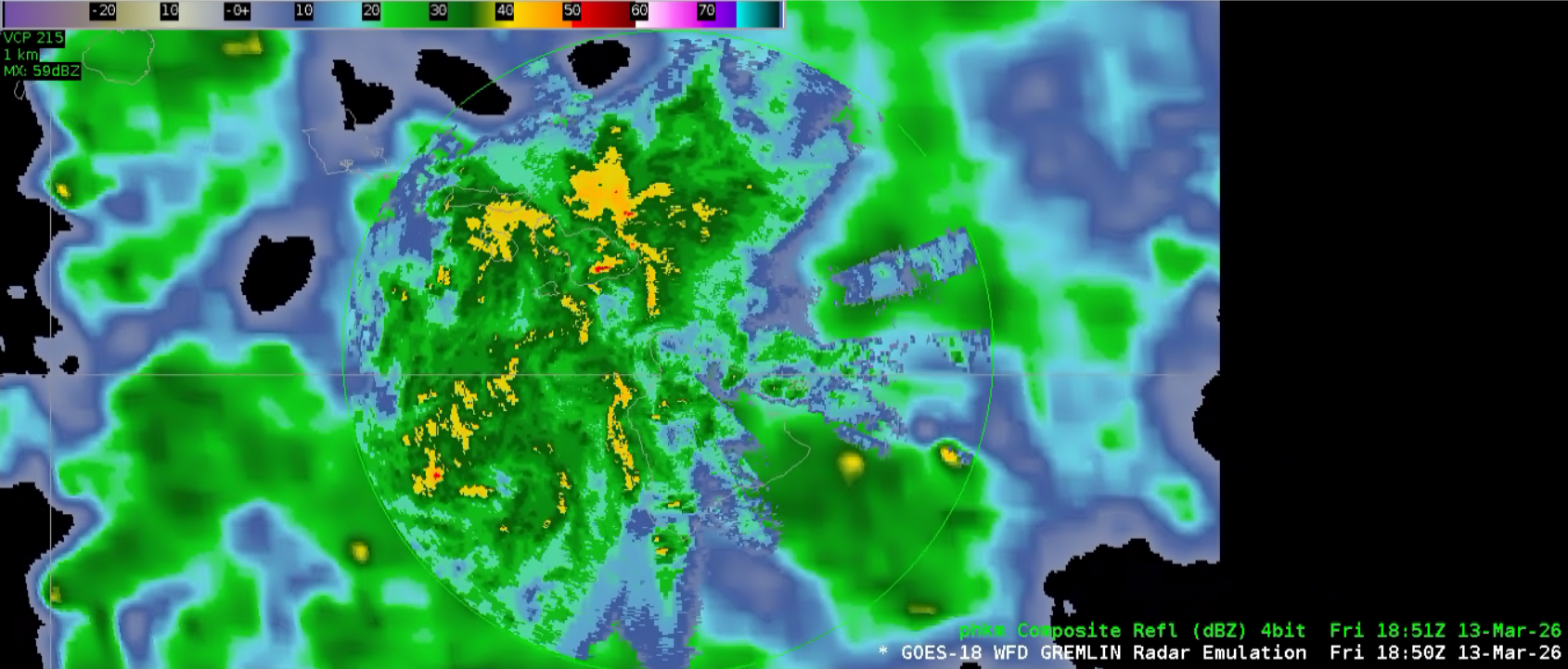
GOES-West GREMLIN output helped fill radar gaps caused by terrain blockages on Hawaii’s Big Island at ~1850 UTC 13 March 2026. Composite reflectivity from the Kohala (PHKM) radar is overlaid on the coarser GREMLIN output.
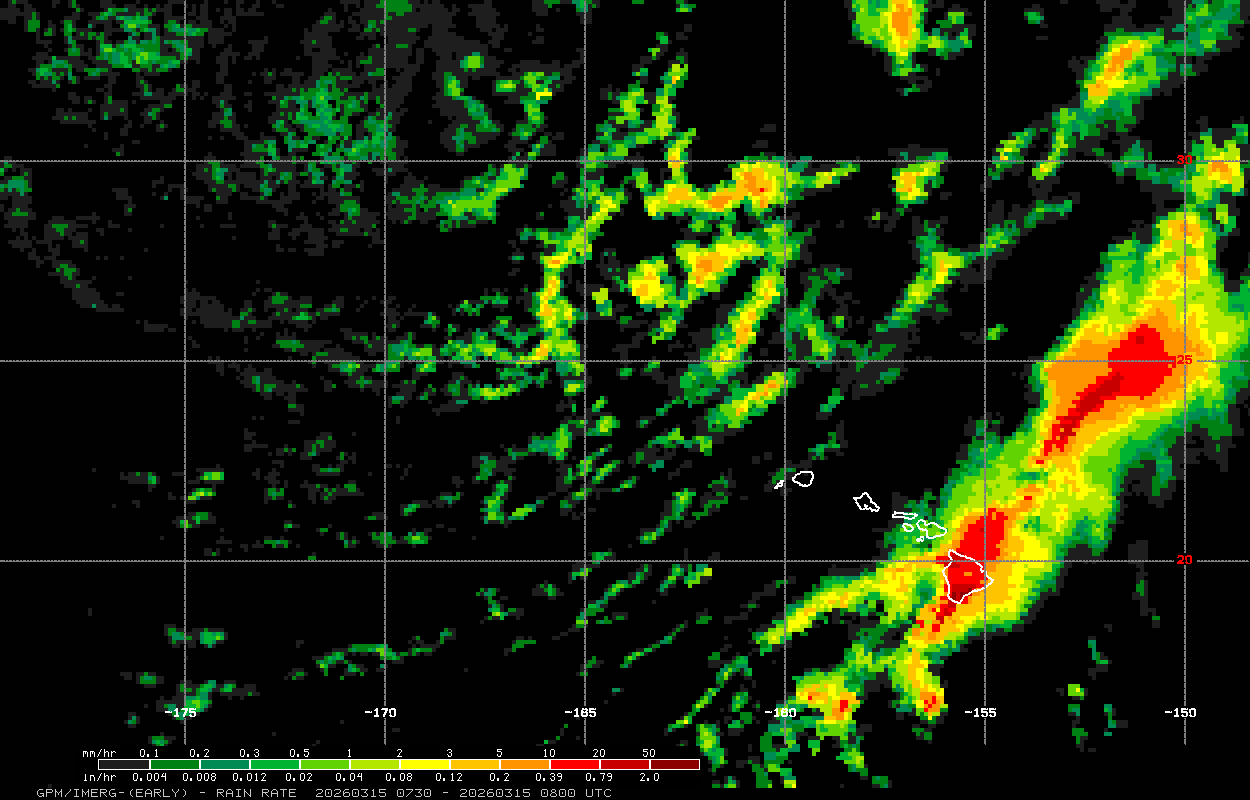
Heavy rainfall continued through the weekend, with IMERG output at 0800 UTC 15 March 2026 indicating rainfall rates approaching and exceeding 2″ per hour for southern portions of the Big Island.
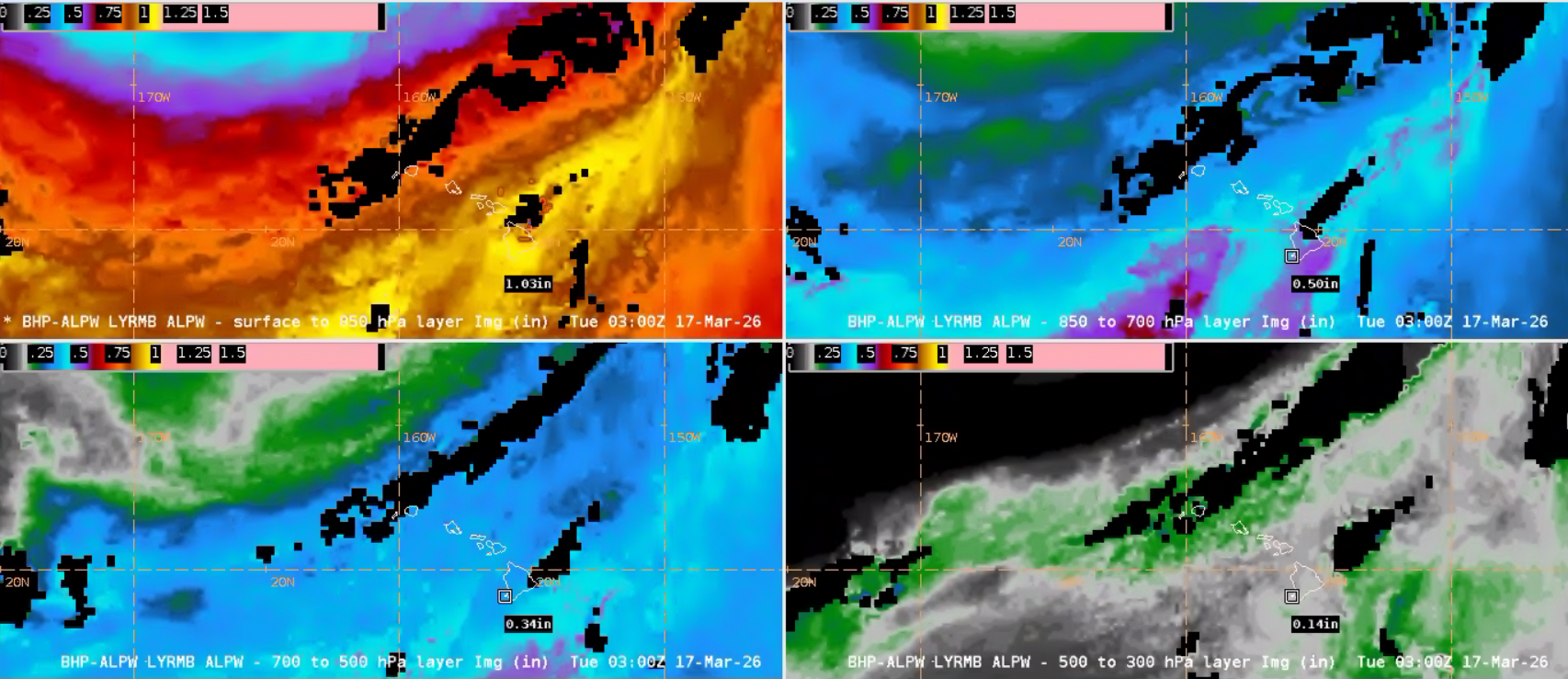
The worst of the rain began to subside as the new work week began, but NWS WPC was still expecting heavier amounts “across the eastern portions of the state from Maui to the Big Island, where the axis of the highest PW values are forecast” in the WPC 16 March 2026 Hawaii Extended Forecast discussion. The NESDIS Advected Layered Precipitable Water (ALPW) product indeed showed the highest PW amounts to the east, especially at the lowest Surface-850 hPa layer. When summing all four layers, PW values exceeded 2″.
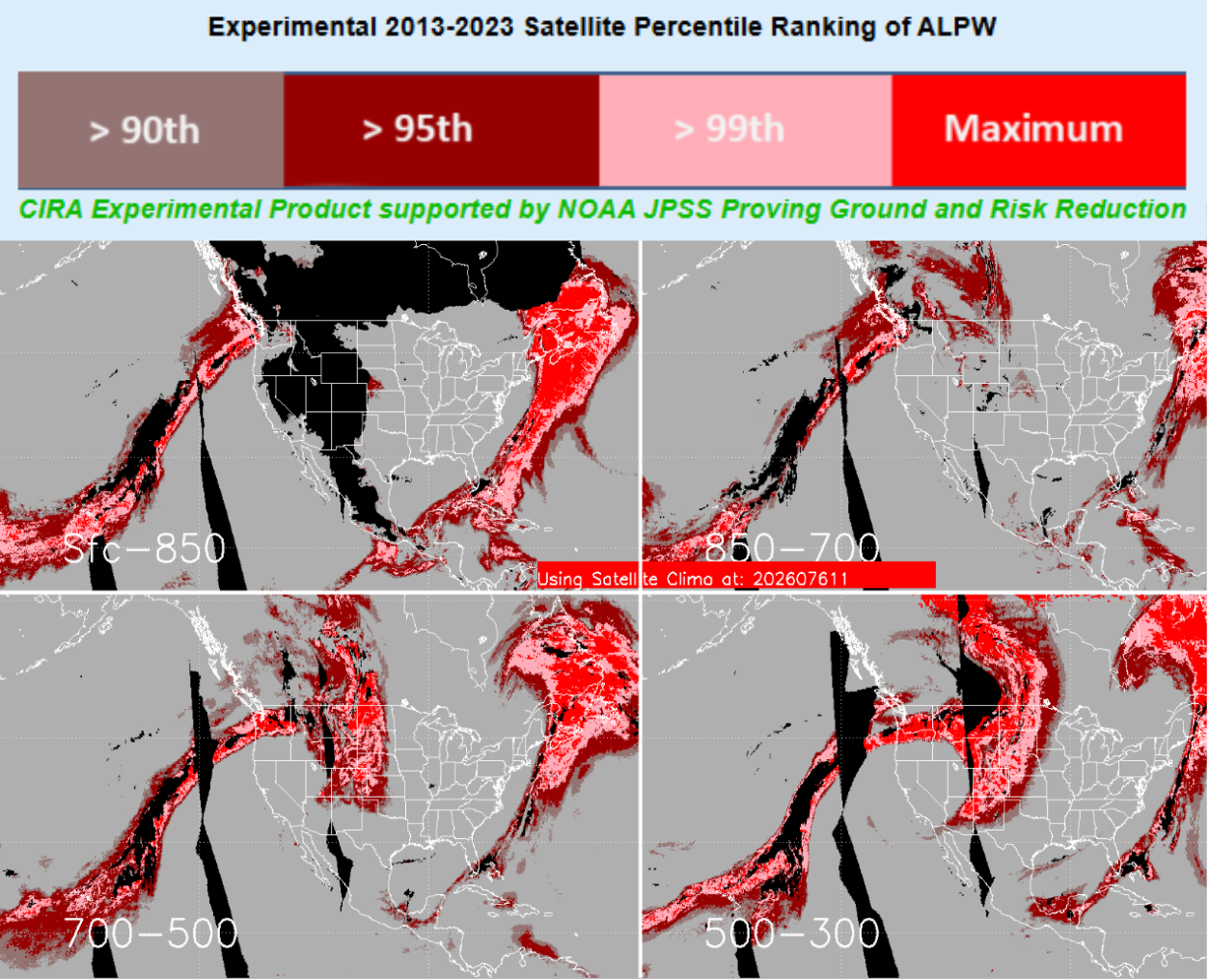
WPC’s Hawaii Discussion on 17 March 2026 also highlighted “anomalous PW values…centered across the eastern portion of the state from Maui to the Big Island.” The ALPW Percentile product showed PW values at all four layers exceeded the 95th to 99th percentile, based on monthly historical averages from 2013-2023.
From 10 to 16 March 2026, over a foot of rain fell on all of the Hawaiian islands, with the top rainfall amount reaching 49.57 inches at the University of Hawaii at Manoa Summit on the Island of Maui. Wind gusts topped hurricane-force in the four Hawaiian counties, with the top gust of 135 mph recorded at Kaiaulu Puu Waawaa at an elevation of 3,809 feet in Hawaii County.