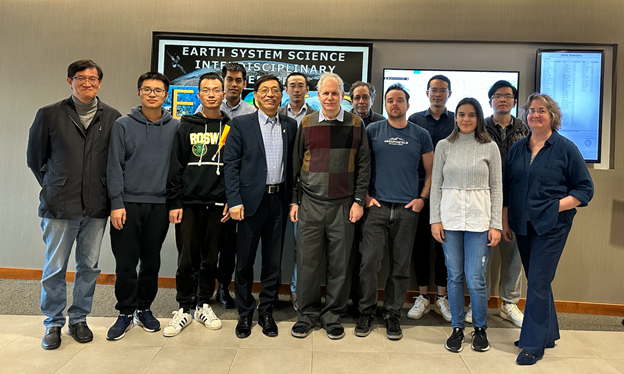
ESSIC Hosts Daniel Rosenfeld at Affinity Group Meeting
The annual meeting of the ESSIC Aerosol/Cloud Physics/Radiation Affinity Group was held on November 16. It was led by Dr. Zhanqing Li, the group chair.

The annual meeting of the ESSIC Aerosol/Cloud Physics/Radiation Affinity Group was held on November 16. It was led by Dr. Zhanqing Li, the group chair.
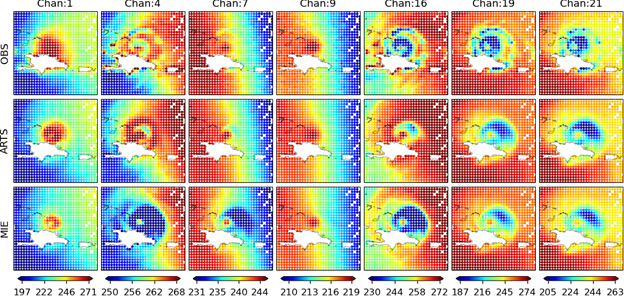
ESSIC/CISESS Scientist Isaac Moradi has a new article from his JPSS PGRR project coming out in the December 27th issue of the Journal of Geophysical Research: Atmospheres.
The Snowfall Rate (SFR) team at STAR and ESSIC/CISESS, including Huan Meng, Yongzhen Fan, and Jun Dong, has made some notable progress recently that significantly enhances the product and its accessibility to users.
The National Centers for Environmental Information (NCEI) Employee Awards Ceremony was held on December 6th.
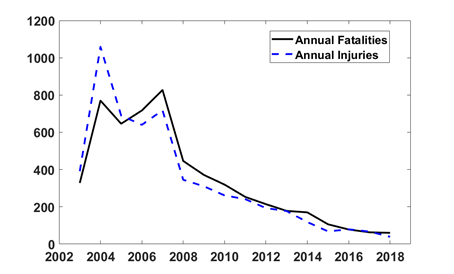
ESSIC/CISESS Scientist Daile Zhang is a coauthor of a presentation that was given at the 36th International Conference on Lightning Protection in Cape Town, South Africa during October 2-7, 2022. She has published a conference paper, which was presented by the co-author Ron Holle, a former meteorologist for Vaisala as well as NOAA. The paper is titled “The Epidemiology of Lightning in Mainland China – A Review of Two Datasets from the 1950s to 2018.”

On December 6, the NOAA Joint Polar Satellite System (JPSS) Program Office announced that the “Unseen Heroes” award would go to the Central Data Processor (CDP) Reset Recovery Team. It was given “in recognition of efforts to restore the Suomi-National Polar-Orbiting Partnership (S-NPP) satellite instruments after a central data processor reset.” This was a major effort in collaboration between the JPSS SDR teams and OSPO to recover the SNPP satellite after the instrument entered “Sun-pointing mode,” leading all of the onboard JPSS instruments to go offline and require restarting and revalidation. The CISESS and Consortium Scientist awardees were:
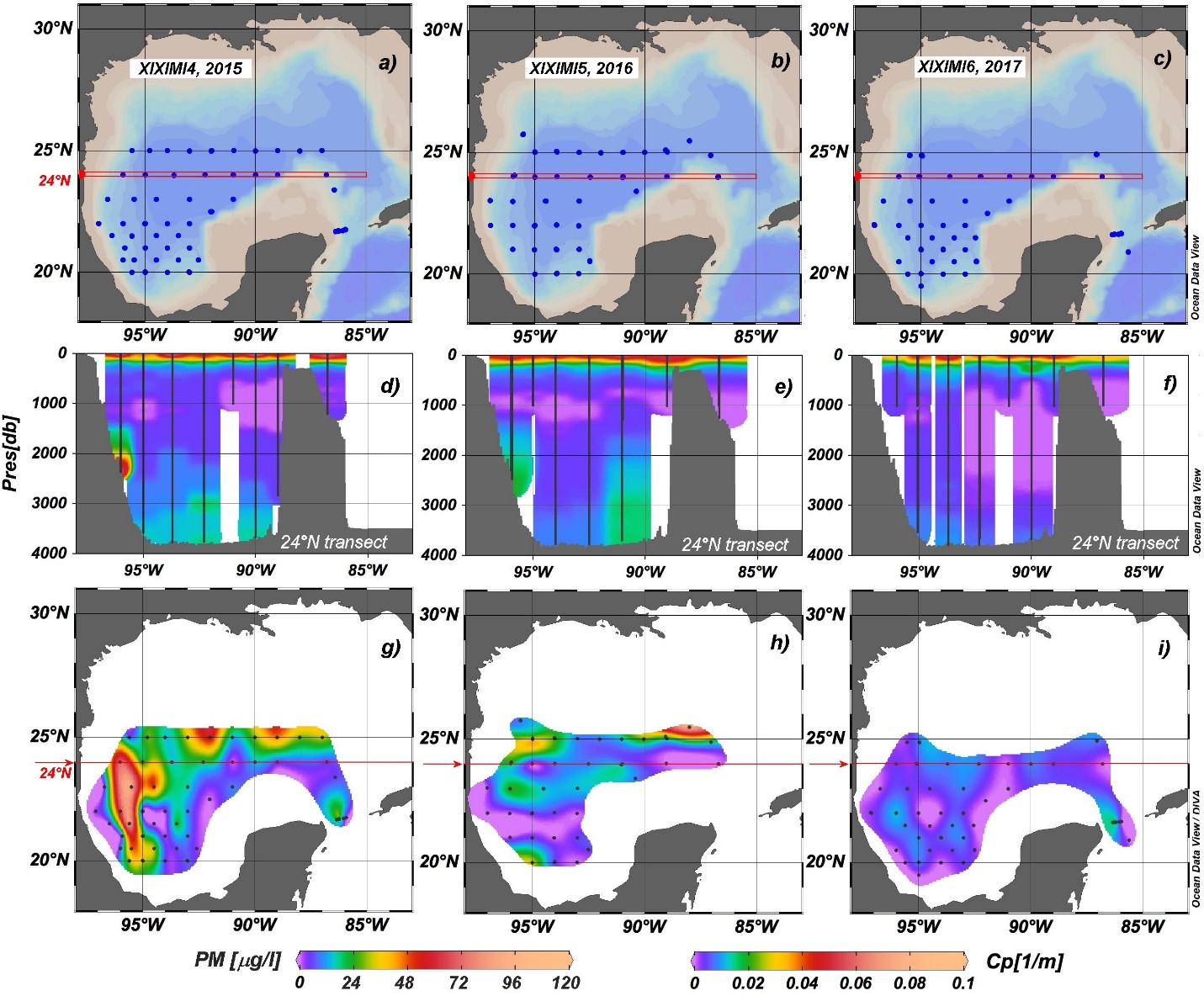
Alexey Mishonov, ESSIC/CISESS Associate Research Scientist and NOAA Affiliate, has a new article in Marine Geology about the nepheloid layers in the deep Gulf of Mexico.
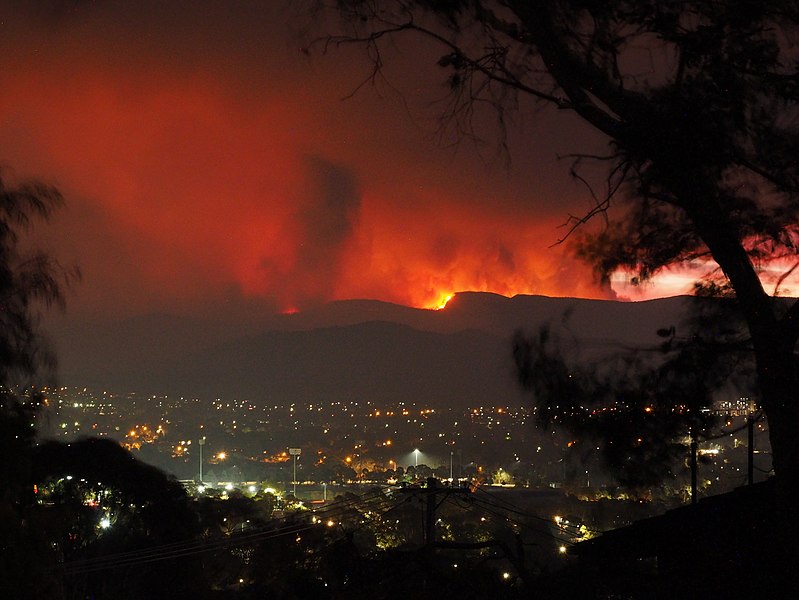
A UMD alum and professor co-authored a paper about the reduction in the thickness of Earth’s protective ozone layer that followed the Australian wildfires.
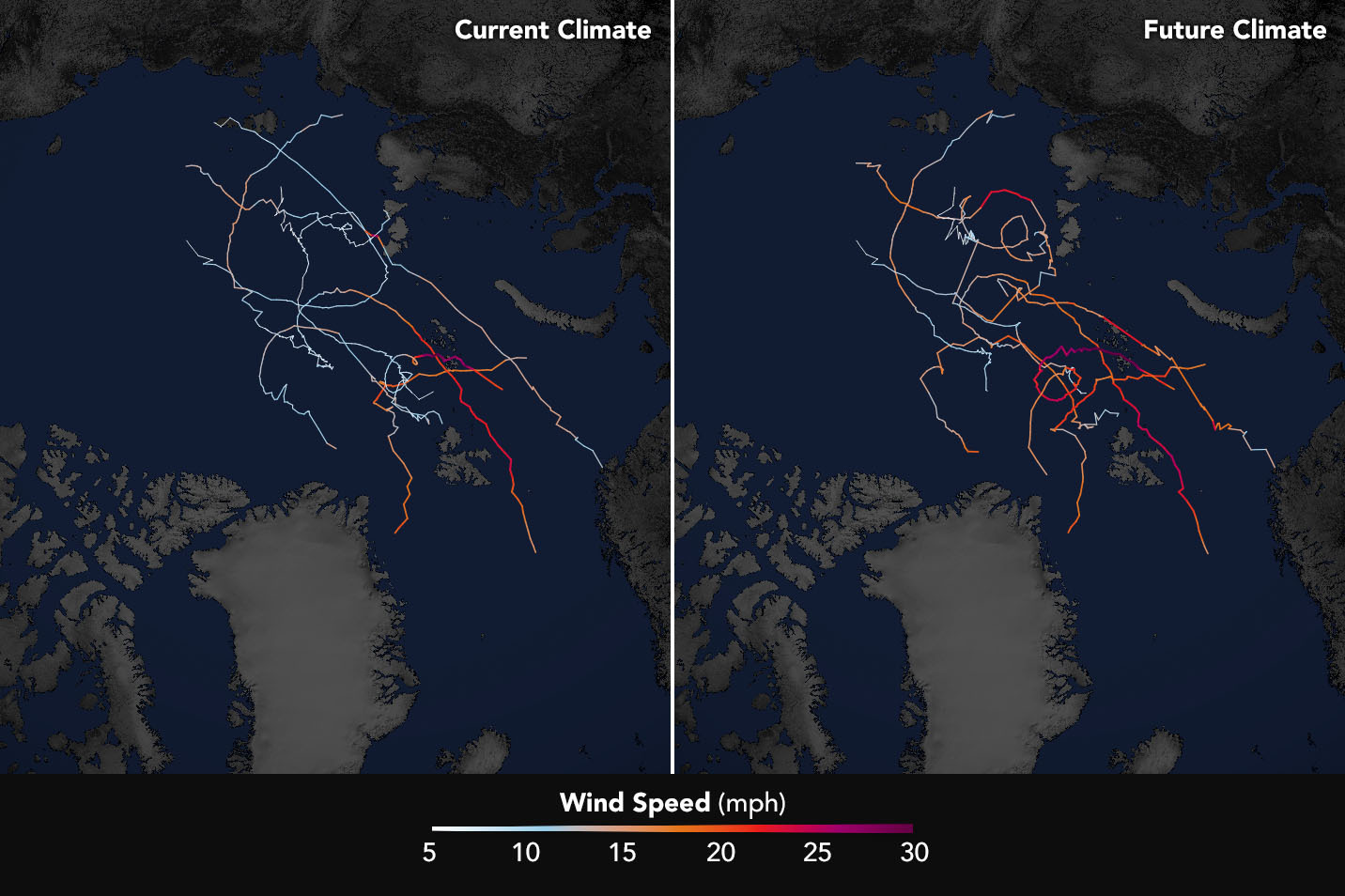
In findings published on Nov. 9, a team of NASA scientists led by ESSIC research scientist Chelsea Parker project spring Arctic cyclones will intensify by the end of this century because of sea ice loss and rapidly warming temperatures. Those conditions will lead to stronger storms that carry warmer air and more moisture into the Arctic.
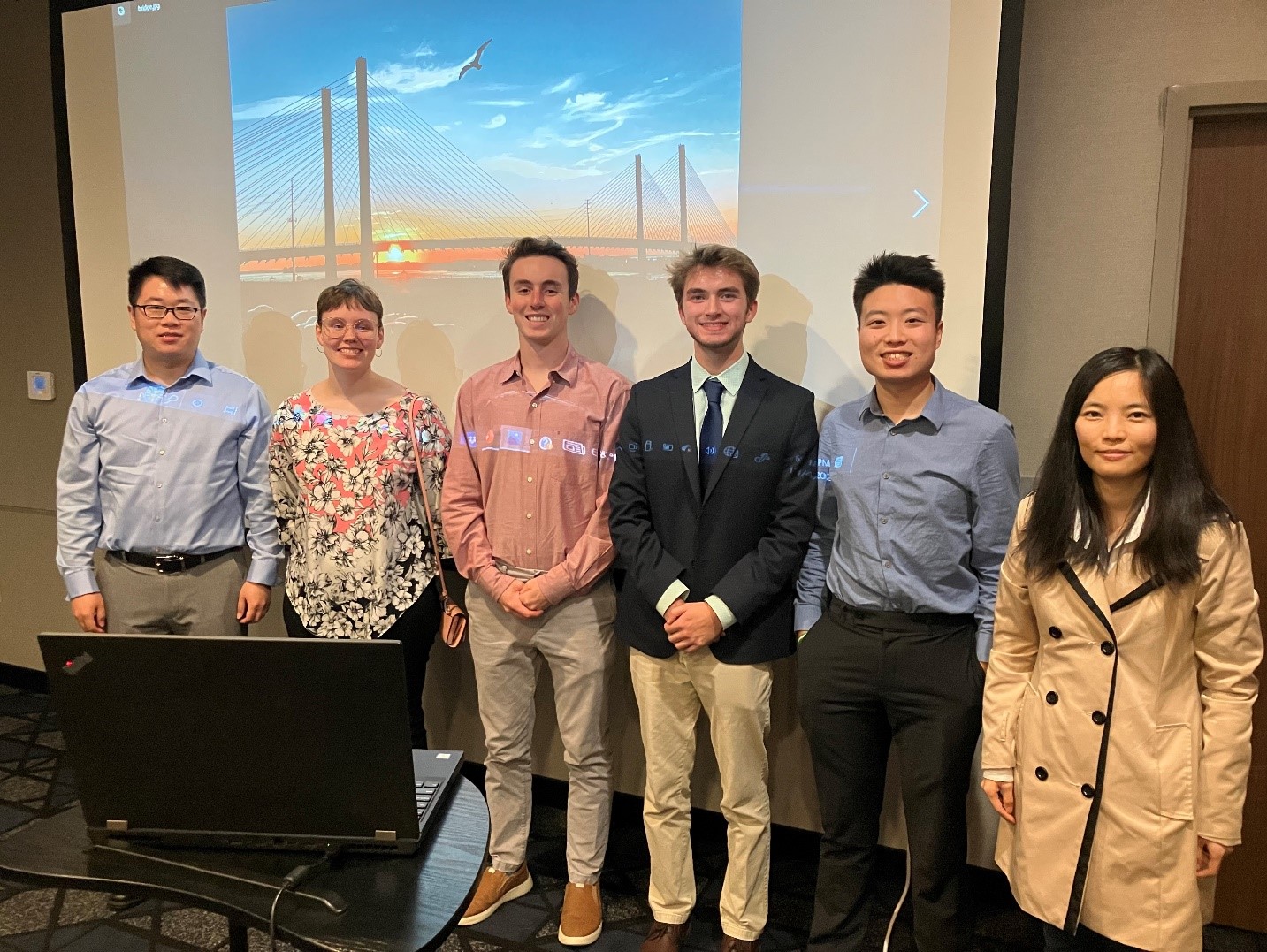
The ESSIC/CISESS Lightning Team members Guangyang Fang and Daile Zhang recently attended the 2022 Mid-Atlantic ChaserCon, a conference for meteorologists at National Weather Service, broadcast meteorologists, emergency managers, storm chasers and other professional and amateur meteorologists across the great Mid-Atlantic area to network and discuss local severe storms and promote ideas to raise public awareness of severe weather and emergency management. Accompanying them were Undergraduate Research Assistants Alex Friedman, Domenic Brooks, and Samantha Smith as well as an AOSC grad student Alvin Cheung.