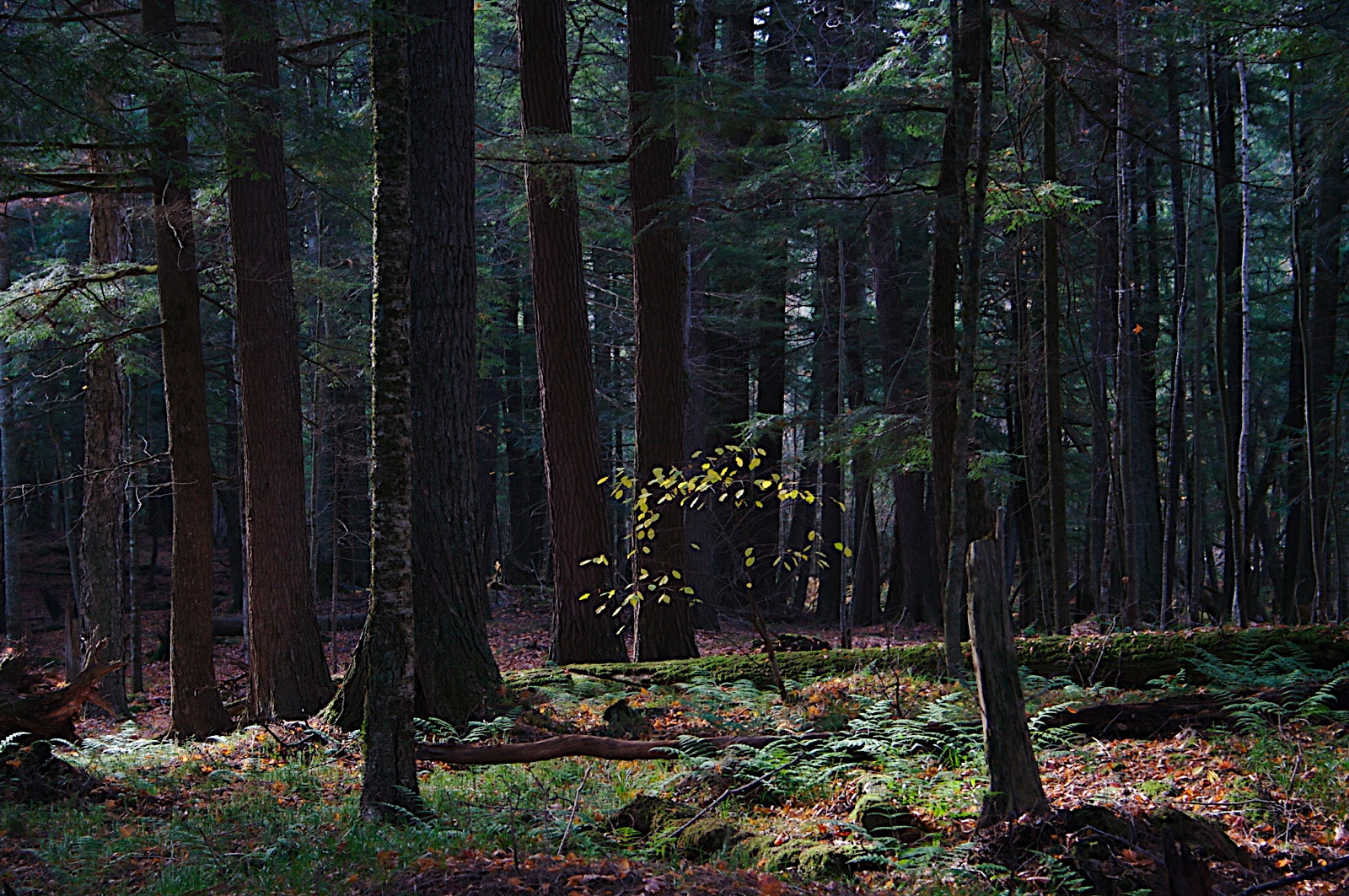
Modeling Historical Biomass Could Be Key to Buffering Climate Change
UMD-led study maps the forests of the American Midwest to monitor carbon storage over millennia

UMD-led study maps the forests of the American Midwest to monitor carbon storage over millennia
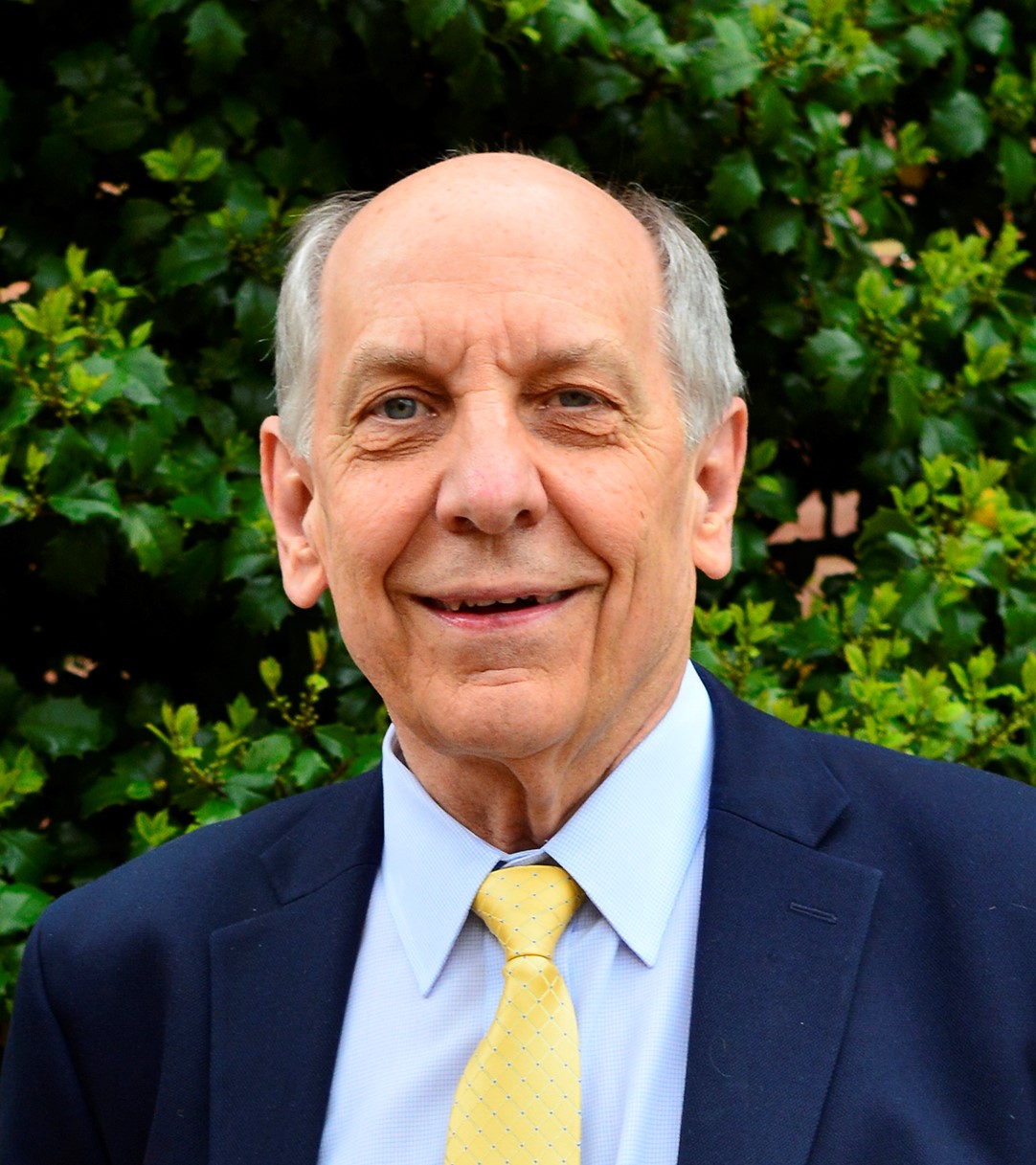
He will hold a joint appointment in the Department of Atmospheric and Oceanic Science and the Earth System Science Interdisciplinary Center.
ESSIC/CISESS scientist Daile Zhang attended and presented at the National Climate Assessment (NCA) “Lightning as an Indicator of Climate” Annual Science Meeting that was held on June 6-7 at the UMD Department of Atmospheric and Oceanic Science (AOSC) Atlantic Building. The meeting is an annual working group get-together for people from NASA, University of Arizona, City College of New York, University of Alabama in Huntsville, and University of Maryland on various lightning tasks/projects, including lightning climatology, lightning NOx observations, dry lightning, wildfires, and this year’s NASA Marshall Space Flight Center CubeSpark project.
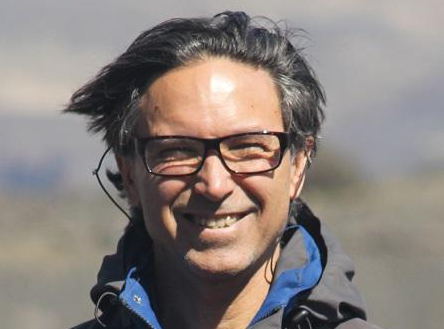
ESSIC Scientist Santiago Gassó participated as speaker in and chaired several sessions during the Surface-Ocean Lower Atmosphere Study (SOLAS) Summer virtual school, which was held June 13-17,2022. He taught a remote sensing module on June 13, chaired the Atmospheric deposition and ocean biogeochemistry session, and co hosted the Science Writing and Social media Workshop on June 14. He was also a judge for all poster sessions and a photography competition held throughout the week.
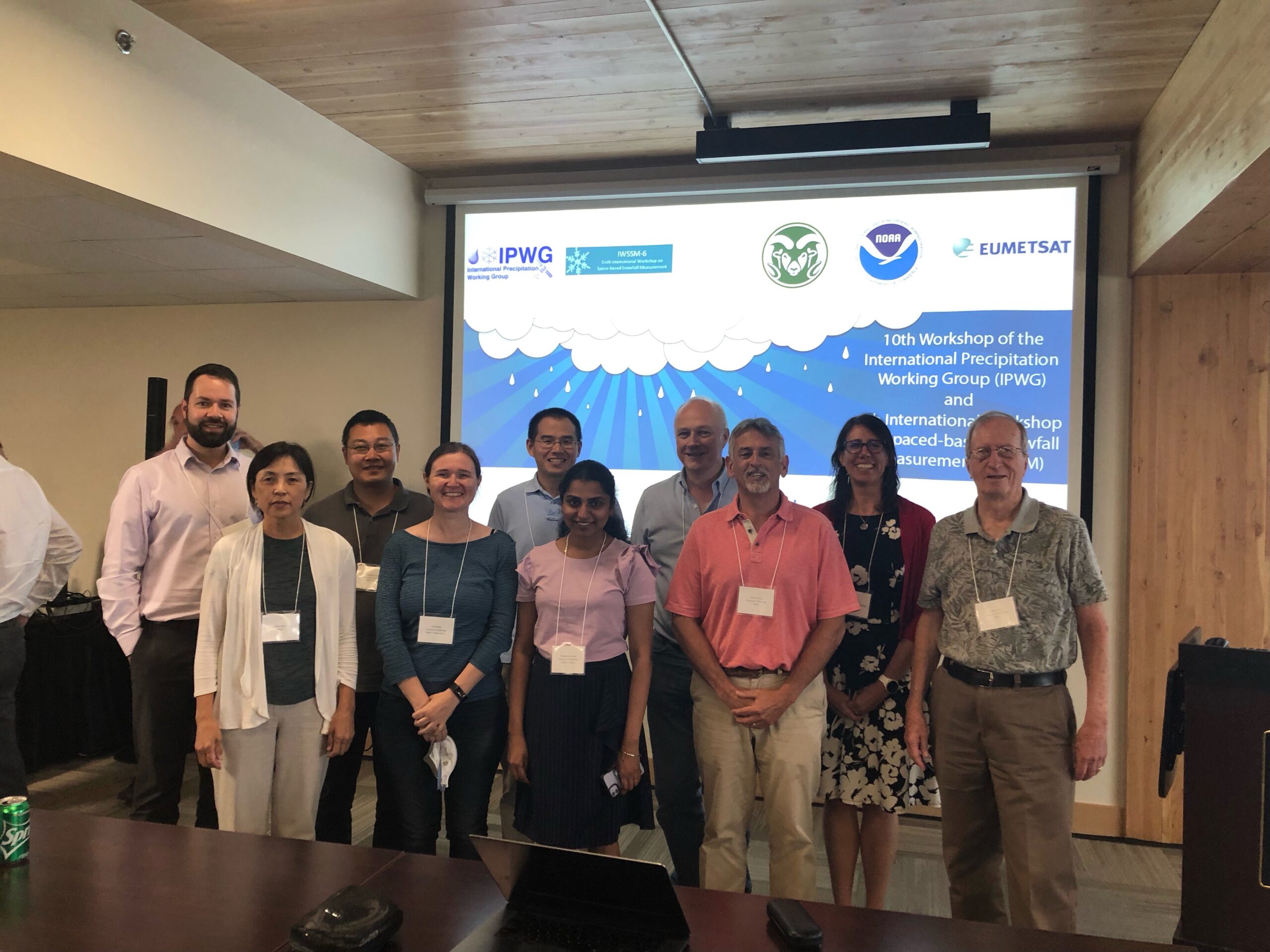
Ten ESSIC scientists participated at the 10th Workshop of the International Precipitation Working Group (IPWG), held in Ft. Collins, Colorado, June 13-17, 2022.
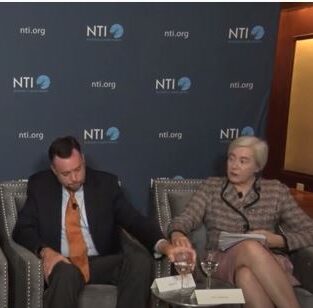
ESSIC Director Ellen Williams participated in a panel discussion at the Nuclear Threat Initiative 20th Anniversary Dinner. At the discussion, she spoke about taking a multifaceted perspective towards technological advances in the nuclear industry. See the video below to watch the full discussion.
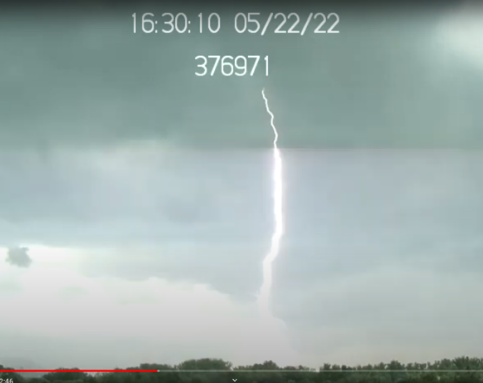
In May, Daile Zhang, Guangyang Fang, Joseph Patton, and an AOSC undergrad student Domenic Brooks set up Raspberry Pi cameras at two locations. Now, they capture a lightning storm!
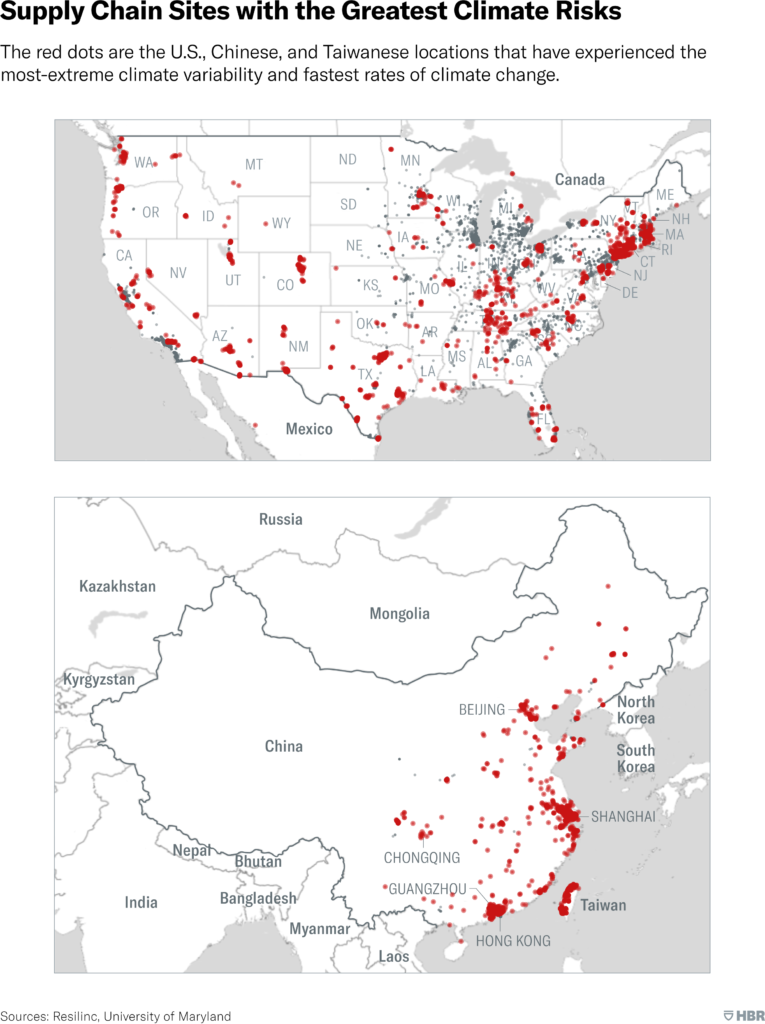
A collaboration between ESSIC, supply-chain-mapping company Resilinc, and the University of Maryland’s Supply Chain Management Center was recently published in Harvard Business Review. ESSIC scientist Michael Gerst is second author on this paper.
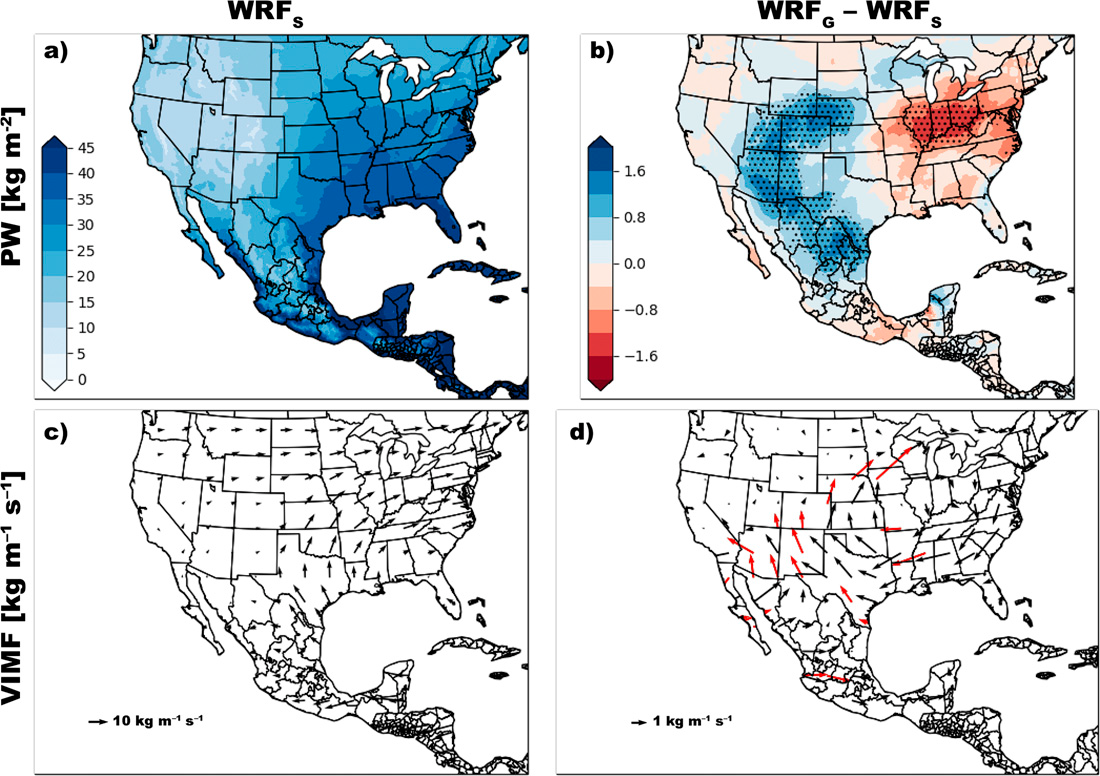
ESSIC/CISESS Scientists Eli Dennis (a former CISESS grad student), and Hugo Berbery have a new article published in the May 2022 issue of the Journal of Hydrometeology critiquing how models represent soil attributes.
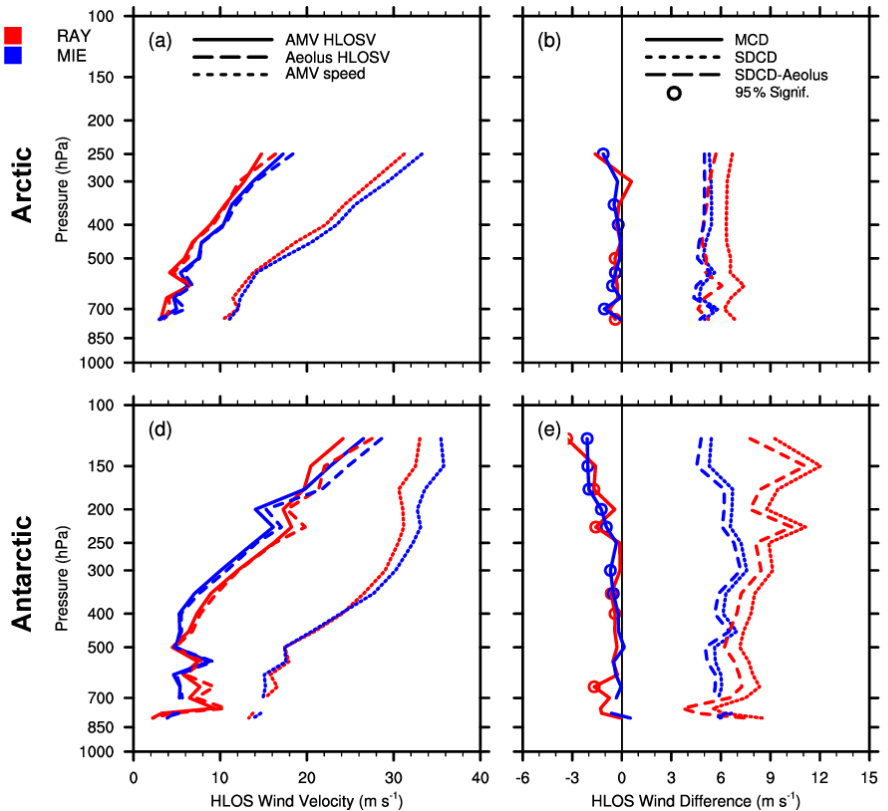
ESSIC/CISESS Scientists Katherine Lukens (a former CISESS grad student), Kayo Ide, Hui Liu, and Ross Hoffman have a new article in the journal Atmospheric Measurement Techniques about their work with the NOAA/NESDIS Office of Projects, Planning, and Acquisition (OPPA) Technology Maturation Program (TMP). The need for highly accurate atmospheric wind observations is a high priority in the science community, particularly for numerical weather prediction (NWP). To address this need, this study leverages Aeolus wind lidar level-2B data provided by the European Space Agency (ESA) as a potential comparison standard to better characterize atmospheric motion vector (AMV) bias and uncertainty.