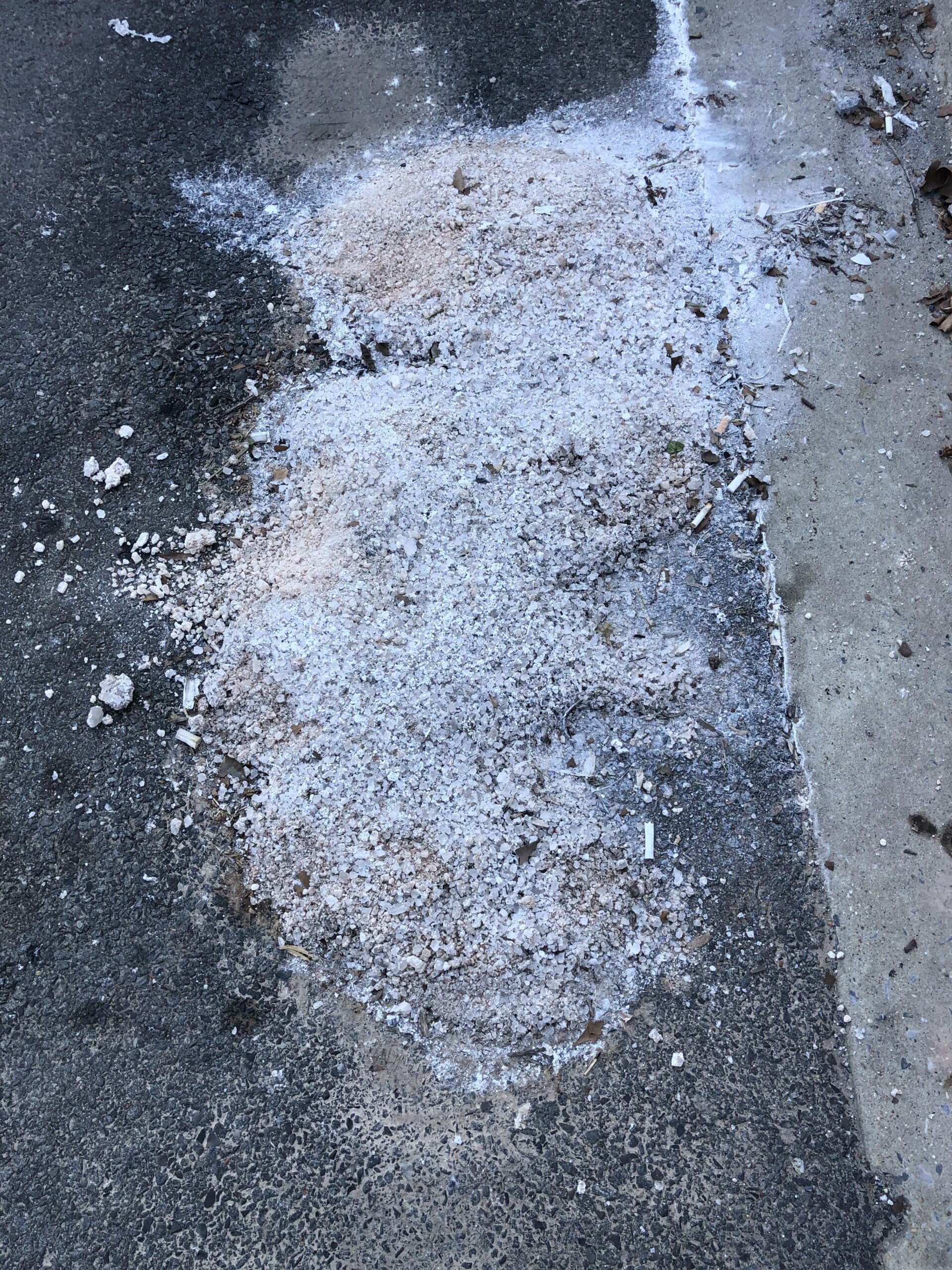
New Scoring Scale Tracks the Harmful Effects of Salt Pollution in Freshwater Streams and Rivers
The road salt that makes your drive to work easier on snowy days may be damaging the water quality in local rivers and streams long after winter is over.

The road salt that makes your drive to work easier on snowy days may be damaging the water quality in local rivers and streams long after winter is over.
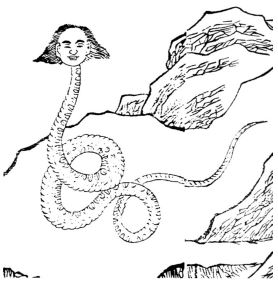
ESSIC/CISESS Post-doctoral Associate Daile Zhang has written an article on the legacy of lightning and thunder gods in Chinese history that is featured in this month’s issue of Weatherwise.
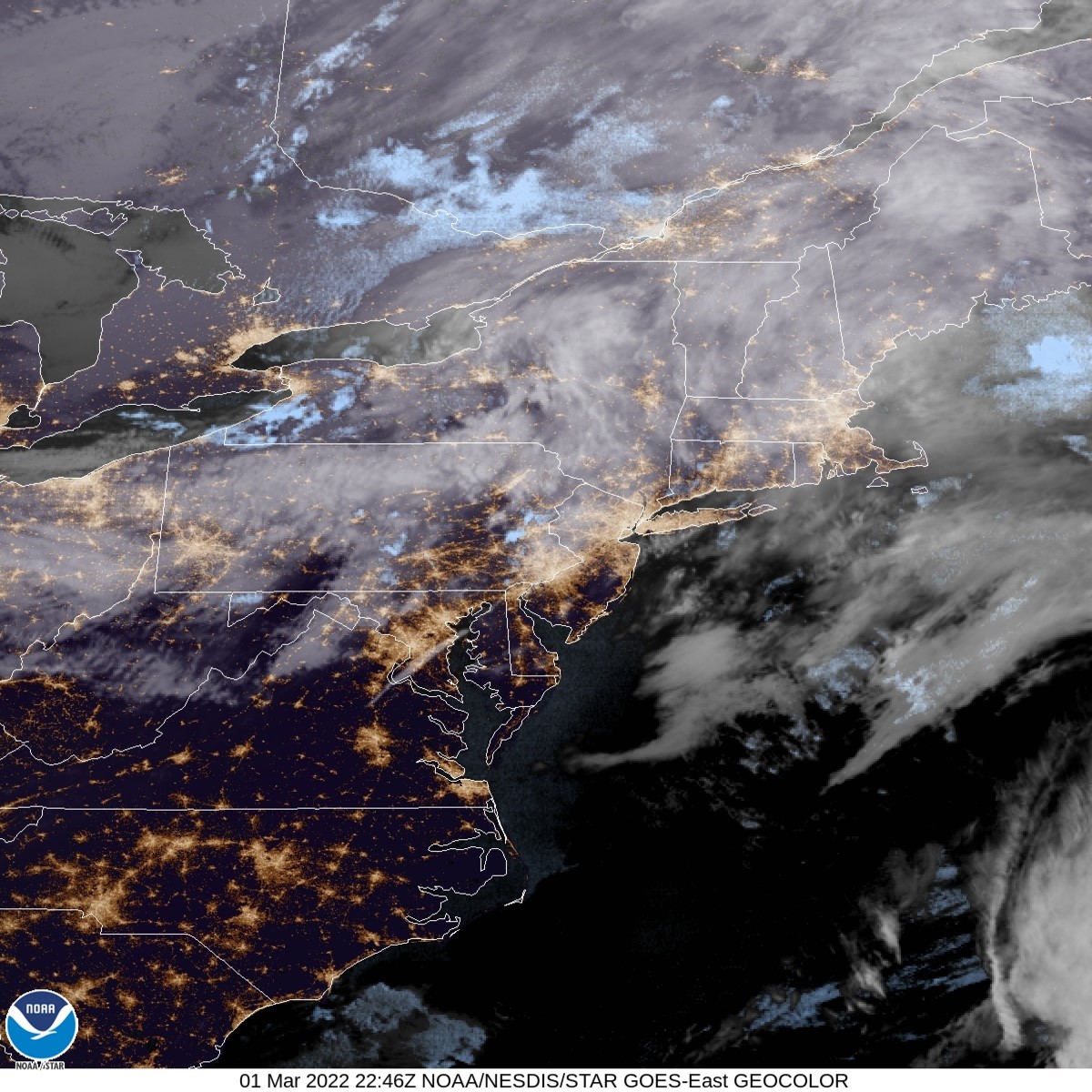
A giant lenticular cloud was seen in Maryland at about 5:50 pm on March 1st, 2022. ESSIC/CISESS Post-doctoral Associate Daile Zhang captured the cloud in Figure 1 below and a video posted to her Twitter account. GOES-East also detected the cloud as seen in Figure 2 and 3.
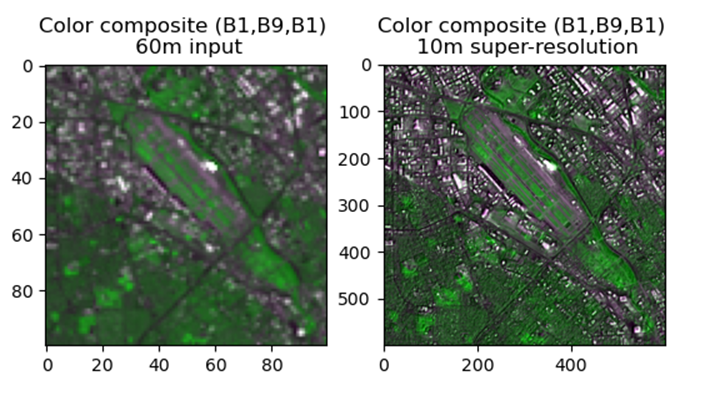
NOAA Center for Satellite Applications and Research (STAR) scientists are exploring new capabilities of enhancing satellite images with artificial intelligence (AI) so that moderate resolution images could be enhanced to include more detailed features with high resolution.
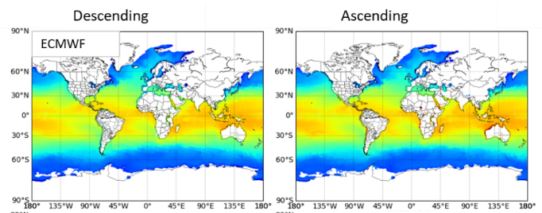
The Microwave Integrated Retrieval System (MiRS) Science Team has published a paper in IEEE Journal on Selected Topics in Applied Earth Observations and Remote Sensing (JSTARS) titled “Improvement of MiRS Sea Surface Temperature Retrievals Using a Machine Learning Approach”.
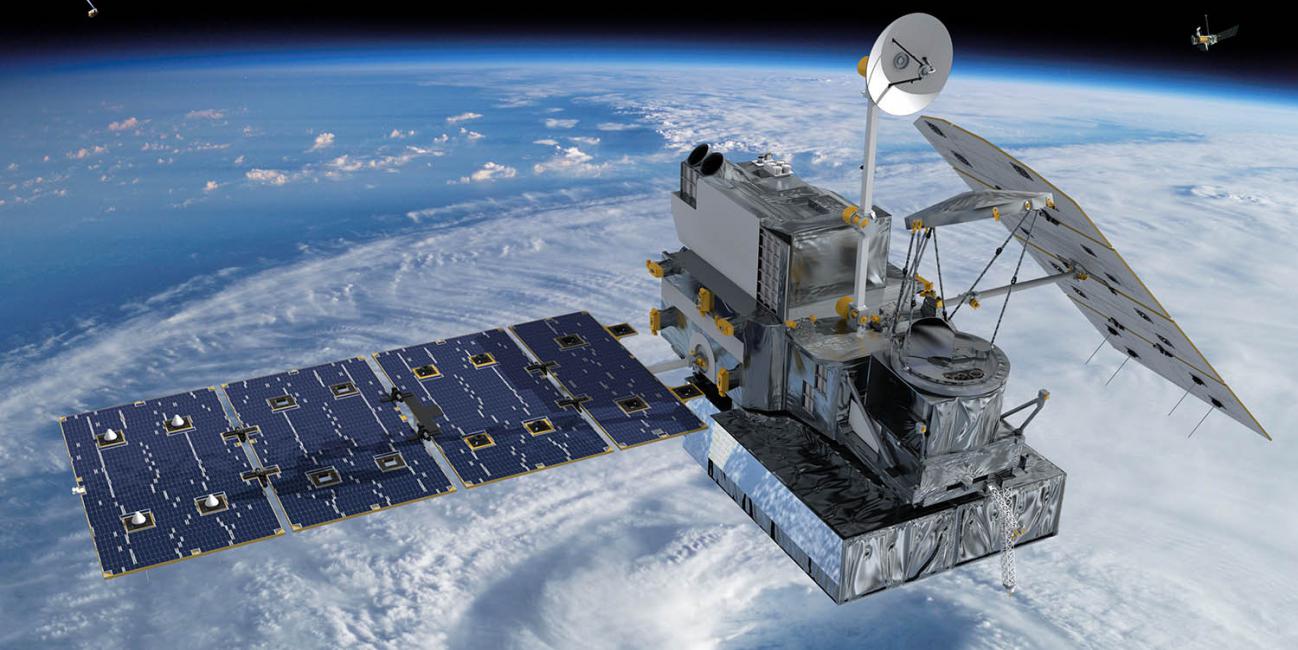
ESSIC/CISESS scientists Yalei You and Sarah Ringerud have a new paper out in IEEE Transactions on Geoscience and Remote Sensing along with University of Minnesota scientists Sajad Vahedizade and Ardeshir Ebtehaj and F. Joseph Turk from Jet Propulsion Laboratory. The paper is titled “Passive Microwave Signatures and Retrieval of High-Latitude Snowfall Over Open Oceans and Sea Ice: Insights From Coincidences of GPM and CloudSat Satellites”. You leads a CISESS task on developing and assessing the NOAA Alaska Regional Snowfall Rate Product.
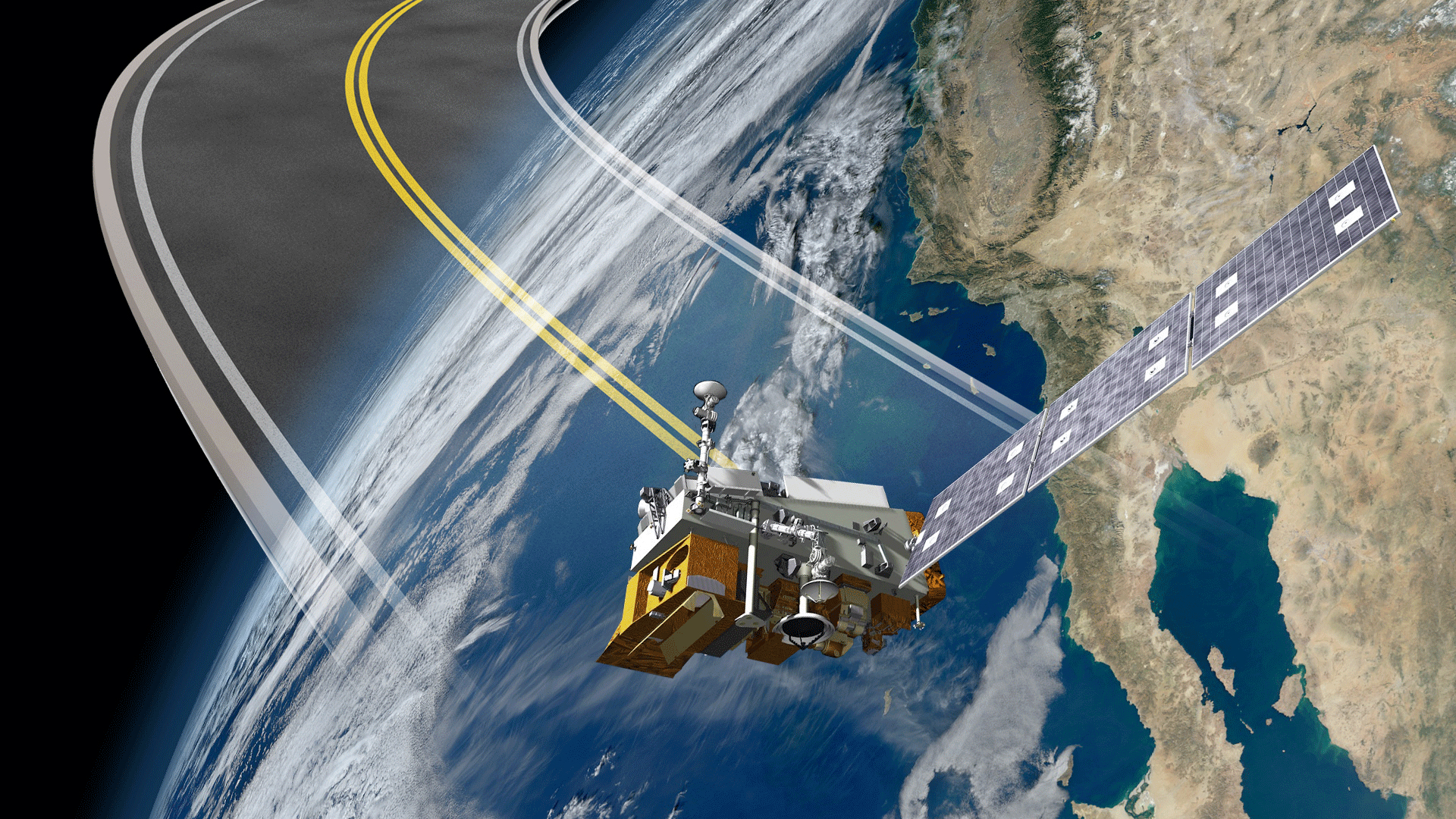
Wenhui Wang, ESSIC/CISESS Associate Research Scientist, is first author on a new paper titled “An Improved Method for VIIRS Radiance Limit Verification and Saturation Rollover Flagging” recently published in IEEE Transactions on Geoscience and Remote Sensing. Other ESSIC/CISESS scientists credited on the project include Slawomir Blonski, Bin Zhang, and Sirish Uprety.
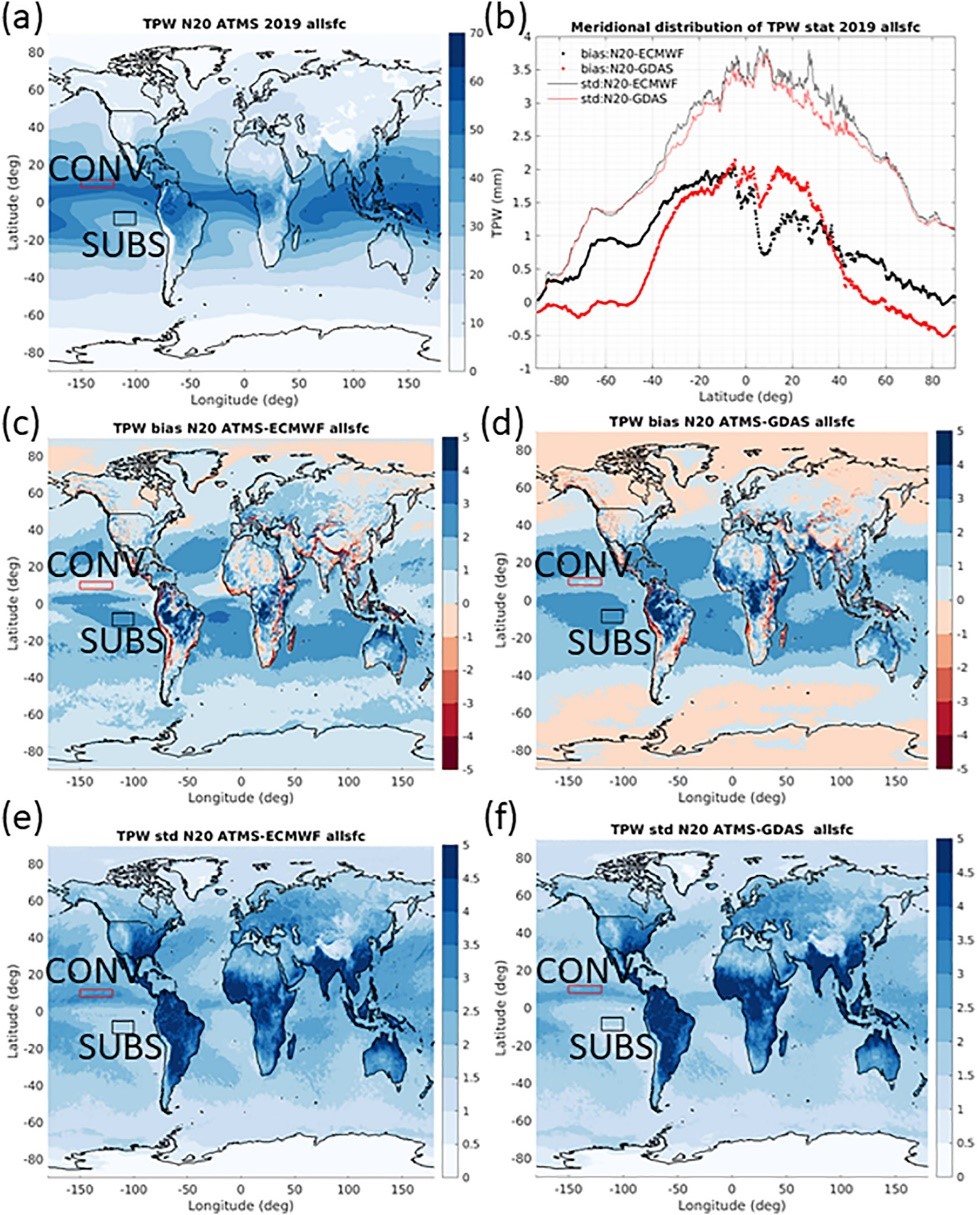
The MiRS Science Team, composed of ESSIC/CISESS scientists Yong-Keun Lee and Christopher Grassotti, as well as NOAA STAR scientist Mark Liu, published a paper this week titled “In‐Depth Evaluation of MiRS Total Precipitable Water From NOAA‐20 ATMS Using Multiple Reference Data Sets” in Earth and Space Science. Lee was the first author of the study.
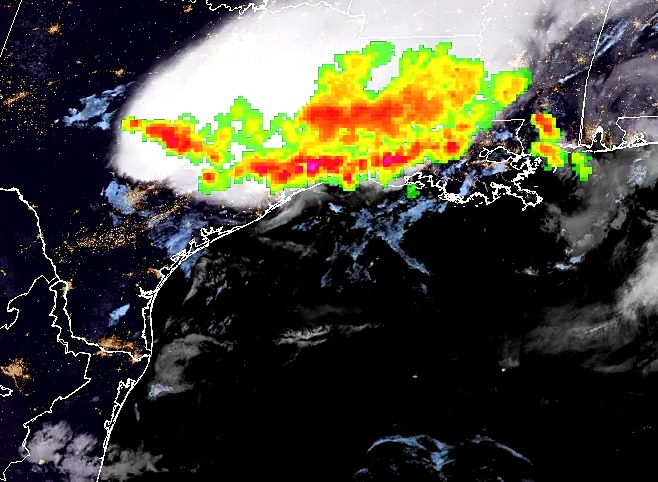
The ESSIC/CISESS Geostationary Lightning Team team, which includes Scott Rudlosky and Daile Zhang, have released a new ArcGIS Story Map via the NOAA GeoPlatform titled “Longest Lightning Flash Ever?”. This website provides stunning visualizations of a recently documented world record flash that covered a horizontal distance of 768 km (477.2 miles) on April 29, 2020. This is equivalent to the distance between New York City and Columbus, Ohio. This flash was recently certified as the longest single flash world record, as covered in an ESSIC press release.
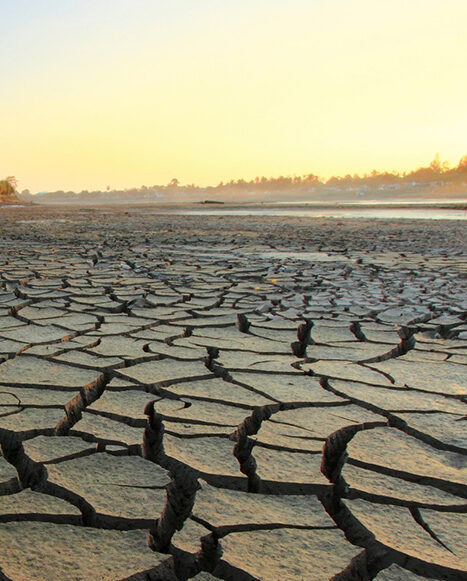
ESSIC scientist Weston Anderson is a co-author on a new paper out in Nature Climate Change titled “Enhanced risk of concurrent regional droughts with increased ENSO variability and warming”.