Home » Cazzy Medley » Page 40

Author: Cazzy Medley

Simulated daily surface (0-10 cm) soil moisture at 00Z on 25 September 2014 over the Western Land Data Assimilation System (WLDAS) domain. The inset map highlights the 1 km grid spacing of WLDAS products, and the black line encompasses the California Region basin.

A High‐Resolution Land Data Assimilation System Optimized for the Western United States

ESSIC/CISESS Assistant Research Scientist Jessica M. Erlingis is first author on a new paper out in Journal of the American Water Resources Association titled “A High‐Resolution Land Data Assimilation System Optimized for the Western United States”. Her co-authors include ESSIC/CISESS scientists Bailing Li and Sujay Kumar as well as researchers from NASA Goddard Space Flight Center, University of Saskatchewan, Jet Propulsion Laboratory, and the California State Water Resources Control Board.

Read More »
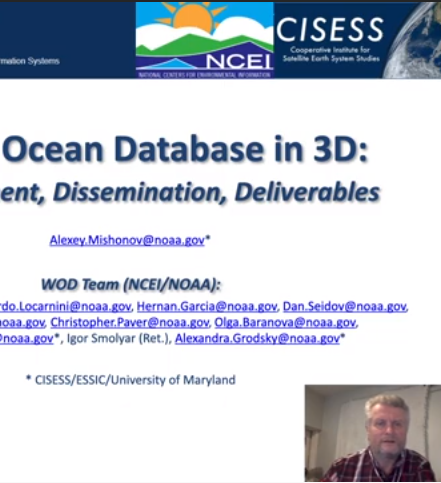
The intro slide to the AMS 101 presentation.

AMS One-Slide Summaries Now Available

Thank you to Deb Baker, CISESS Coordinator, and Ralph Ferraro, Chief of the NOAA/NESDIS Satellite Climate Studies Branch, for compiling the summary slides for STAR and Cooperative Institute presentations from the American Meteorological Society’s 2021 Annual Meeting!

Read More »
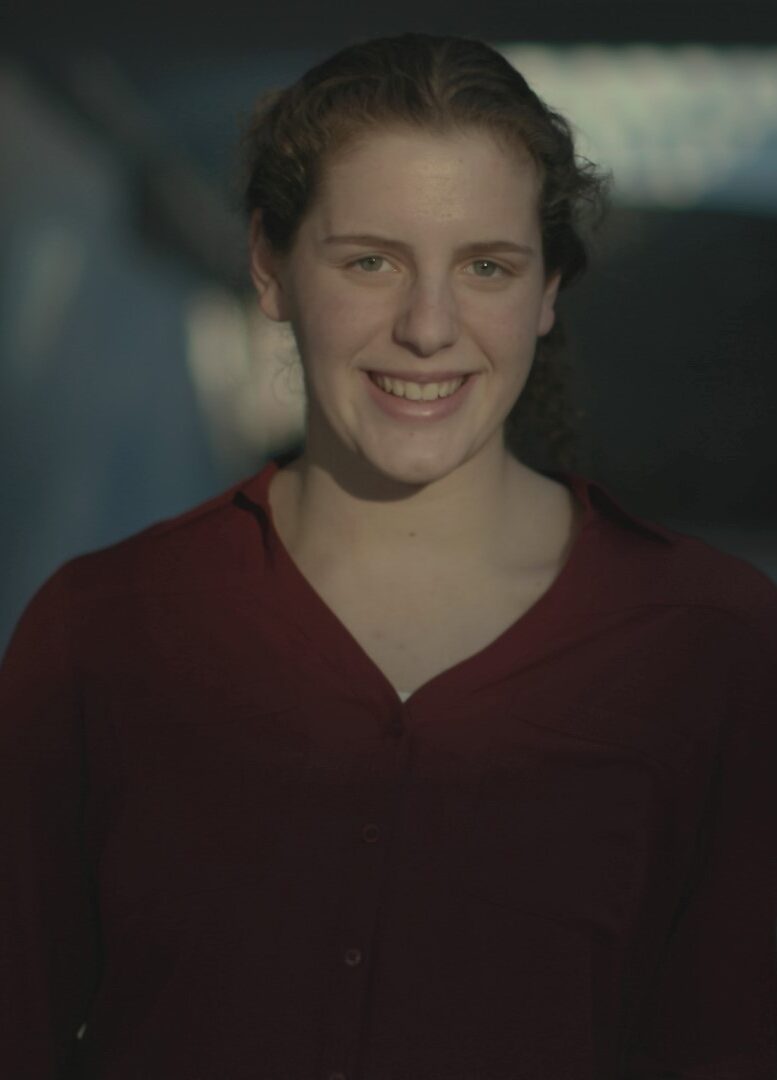
Dr. Ellen Williams smiles in a red blazer.

Taking on Climate Change

Ellen Williams is an optimist. And she believes in the power of science and technology to help society solve grand challenges, like transitioning to clean energy and combating climate change. Williams, a Distinguished University Professor in the University of Maryland’s Department of Physics and Institute for Physical Science and Technology, approaches these challenges with a broader scope of experience than most.

Read More »
The GOES-16 satellite far above Earth.

GOES-16 Chlorophyll A Retrievals using Deep Learning

On January 21, ESSIC/CISESS Assistant Research Scientist Guangming Zheng gave a presentation on retrieving chlorophyll concentrations from the GOES-16 Advanced Baseline Imager (ABI) using Deep Learning techniques as part of the 2nd NOAA Workshop on Leveraging AI in Environmental Sciences.

Read More »
The concrete plumes of a power plant emit steam into the atmosphere.

Why We Can Have Paris Again

From revoking the permit on the Keystone XL natural gas pipeline to starting the process of reversing Trump-era polices on national monuments, endangered lands and species, and energy exploration, the environment stands near the top of President Joe Biden’s immediate agenda. The centerpiece was an Inauguration Day executive order to rejoin the Paris Climate Agreement, negotiated by the nations of the world (with key oversight from a Terp) to head off the devastating effects of climate change, from famines to coastal flooding.

Read More »