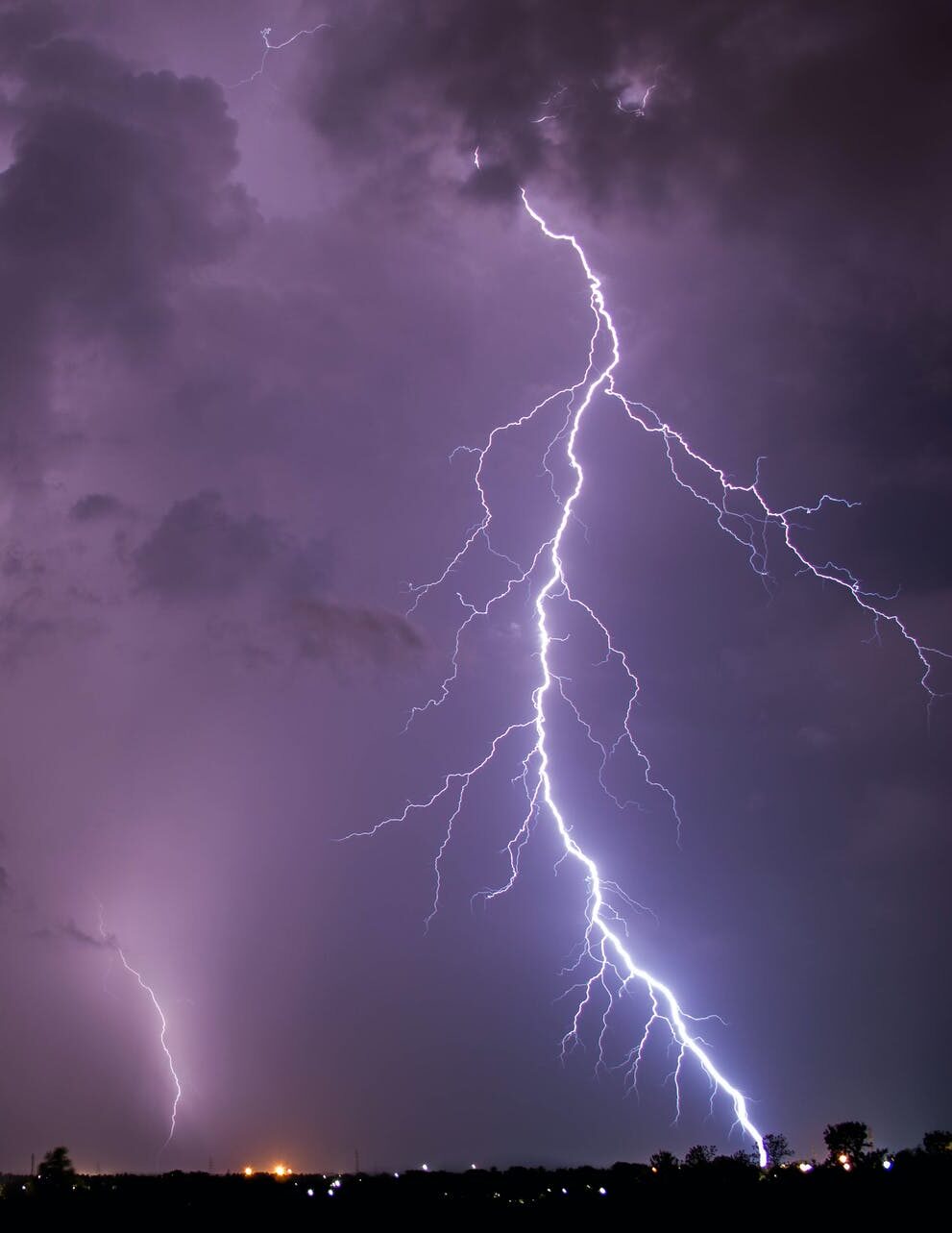
Smaller, Shorter Lightning Flashes Frequently Go Undetected
ESSIC Visiting Associate Research Professor Ariana Sutton-Grier has a new paper out in Science of the Total Environment about the impact of climate change on ecosystems and biodiversity.

ESSIC Visiting Associate Research Professor Ariana Sutton-Grier has a new paper out in Science of the Total Environment about the impact of climate change on ecosystems and biodiversity.
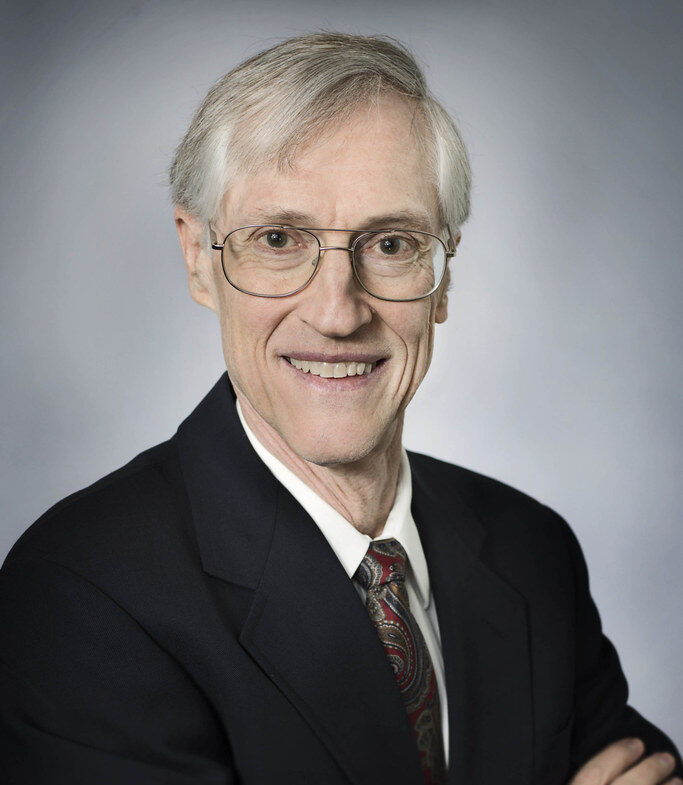
On March 2, 2020, ESSIC will be welcoming Dr. John Mather, 2006 Nobel Prize in Physics laureate, as a speaker in the Spring 2020
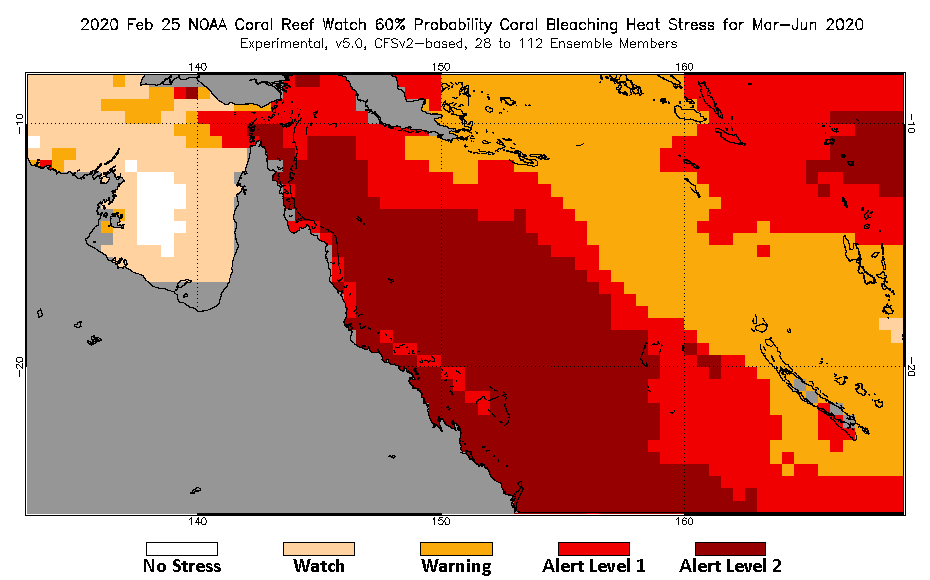
NOAA Coral Reef Watch’s (CRW) daily global 5km satellite coral bleaching heat stress products indicate high oceanic heat stress is present along the Great Barrier Reef (GBR) in Australia, and is expected to remain through March.

Distinguished University of Maryland professor Eugenia Kalnay recently received the Roger Revelle Medal at the 2019 American Geophysical Union (AGU) Fall Meeting.
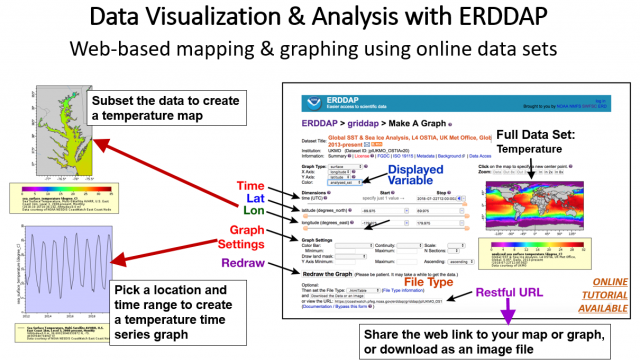
Ron Vogel, ESSIC / CISESS Senior Faculty Specialist, gave a lecture at the Maryland Association of Environmental and Outdoor Education Annual Conference, a conference for K-12 environmental science teachers to explore using oceanographic satellite data in K-12 classrooms. This area has traditionally seen satellite data as too complex for teaching about the environment.
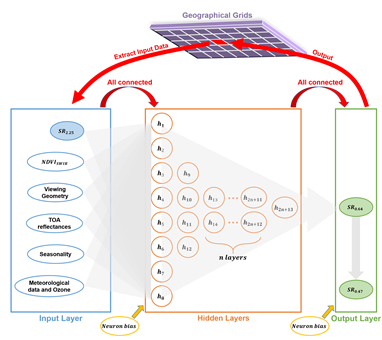
ESSIC/CISESS Graduate Student Tianning Su was selected for a speaking award at the recent American Meteorological Society (AMS) Annual Meeting. He received the award from the judges at the 24th Conference on Integrated Observing and Assimilation Systems for the Atmosphere, Oceans, and Land Surface (IOAS-AOLS). His talk was entitled, “Retrieving Aerosol Optical Depth Retrievals over Land by Constructing the Relationship of Spectral Surface Reflectances through Deep Learning: Application in Himawari-8.”
The American Meteorological Society Annual Meeting was held last week, January 12 to 16, in Boston. There were significant contributions by ESSIC/CISESS scientists, documented here.
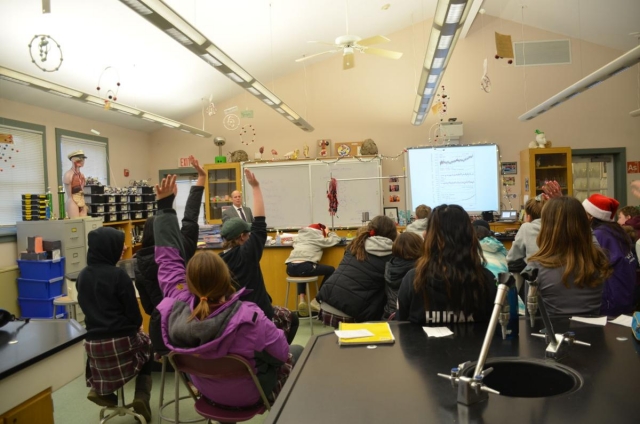
ESSIC Scientist Ross Salawitch recently visited Montgomery School in Chester Springs to speak to seventh and eighth grade students about climate change.
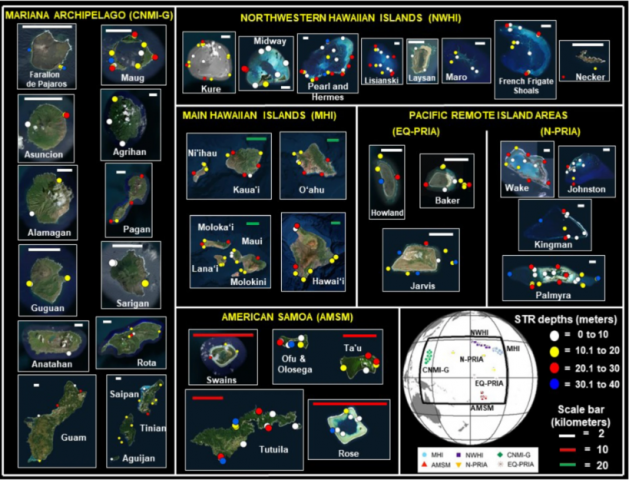
Staff from NOAA Coral Reef Watch (CRW), an initiative supported by the Earth System Science Interdisciplinary Center (ESSIC)-administered Cooperative Institute for Satellite Earth System Studies (CISESS), just co-authored a new publication on heat stressed coral reefs in the Pacific Ocean.

A paper co-written by Viviana Maggioni from George Mason University as well as ESSIC/CISESS Senior Faculty Specialist Patrick Meyers and past ESSIC/CISESS intern Monique Robinson is the Journal of Hydrometeorology’s most cited paper published in the past 4 years.