NOAA Recognizes CISESS Scientists

Last month, NOAA National Centers for Environmental Information (NCEI) and Center for Satellite Applications and Research (STAR) issued awards to CISESS scientists. Between the two events, fourteen CISESS scientists were recognized for their exemplary work and dedication to service.

CISESS Land Product Scientists Honored by NESDIS

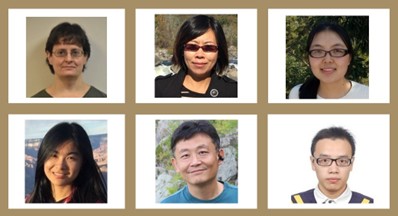
Figure: (top row) Corinne Carter, Yuling Liu, Jingjing Peng; (bottom row) Zhen Song, Peng Yu, Yuan Zhou.

STAR held award celebrations on January 20 at which members of the STAR Land Product Development Science Team won the NESDIS Vision and Creativity “Future is Here Today” Award. Six of the seven-member team are CISESS Scientists: Corinne Carter, Jingjing Peng, Peng Yu, Yuling Liu, Yuan Zhou, and Zhen Song. They work on a large portfolio of land products with several experimental products pending falling into three main categories: land surface temperature, albedo, and vegetation.

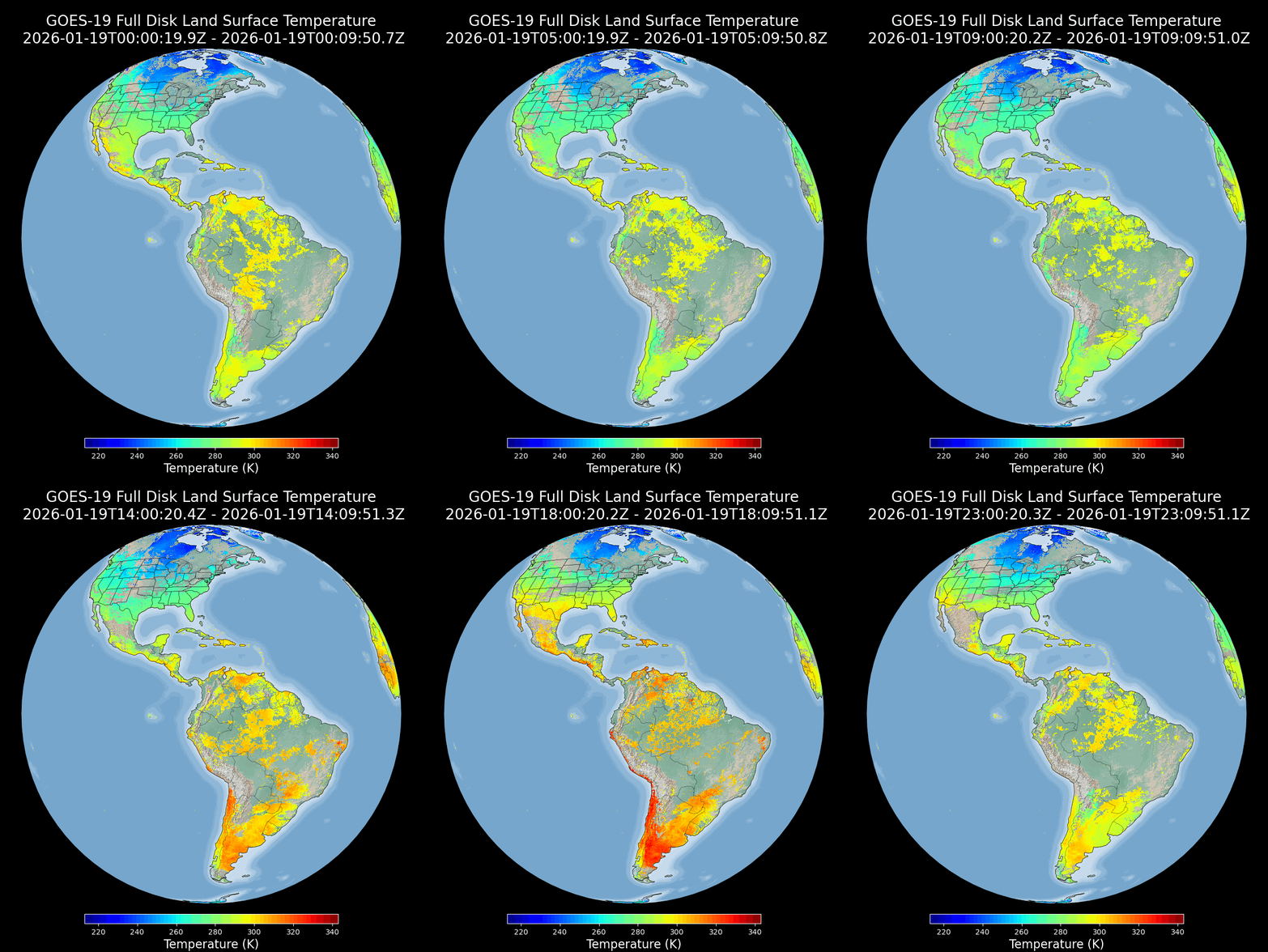
GOES19 Full Disk Land Surface Temperature

Their major product is Land Surface Temperature (LST), with Peng Yu working on the GOES ABI-based LST and Yuling Liu working on the JPSS VIIRS LST. Peng has also developed a Himawari LST and is working on an experimental Multi-Satellite Land Surface Temperature Global Mosaic, with global data taken simultaneously from GEO satellites rather than from different passes of LEO satellites. Yuling has worked on a METOP-SG LST product, a new set of satellites, the first of which was launched last summer.


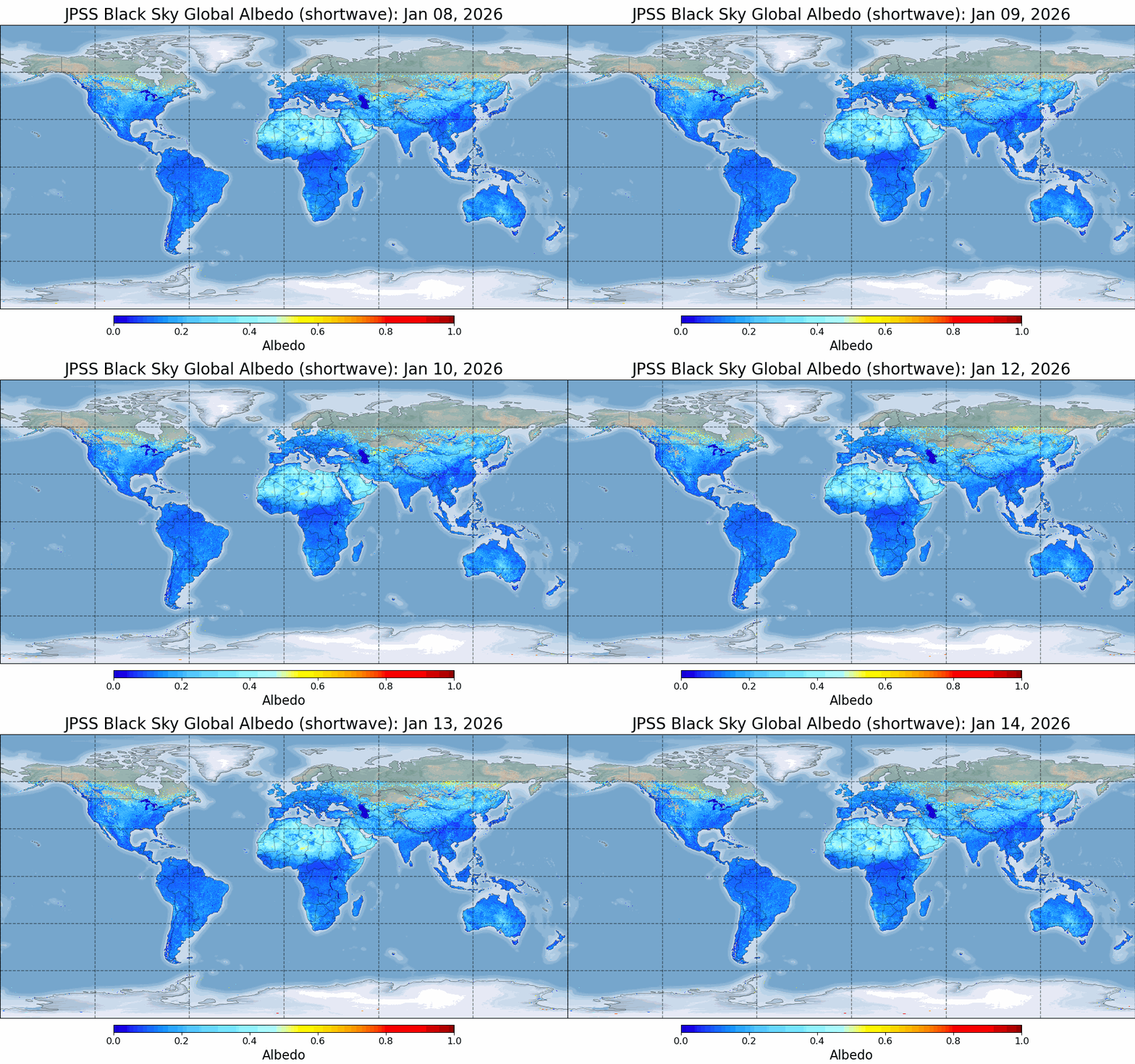
For the albedo products, Jingjing Peng and Peng Yu work on the GOES ABI Albedo product and Jingjing and Zhen Song on the JPSS VIIRS Albedo product. Jingjing and Zhen are developing a new VIIRS Bidirectional Reflectance Distribution Function (BRDF), measuring the earth’s reflectivity with solar and viewing geometry. From BRDF, two types of surface albedo are derived: black-sky albedo (BSA), representing albedo under direct solar illumination, and white-sky albedo (WSA), representing albedo under fully diffuse illumination. The product also provides nadir BRDF-adjusted reflectance (NBAR), which normalizes surface reflectance to a standard viewing geometry—local solar noon in this product. Jingjing is also working on incorporating the upcoming METOP-SG METimage data into albedo and BRDF products. In addition, there is a Surface Reflectance product from JPSS VIIRS maintained by Yuan Zhou.

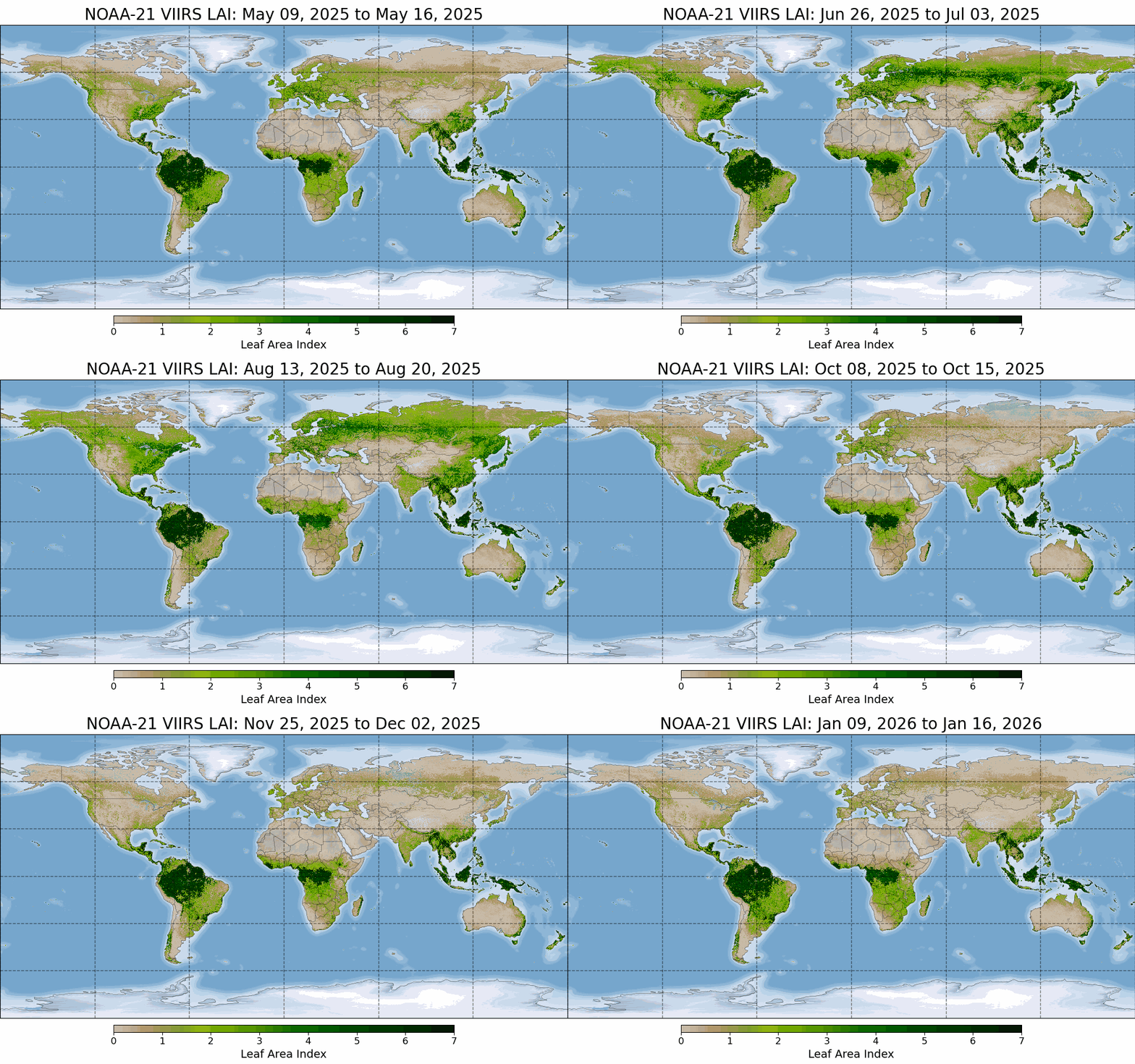
There are three important JPSS VIIRS Vegetation products that are the work of Yuan Zhou and Corinne Carter, now joined by Zhen Song. The Vegetation Index is related to absorption of photosynthetically active radiation and correlates with primary productivity. The Green Vegetation Fraction quantifies the fraction of land covered by green vegetation. The third product, the Leaf Area Index, has been operational since March 2025 and was developed using advanced machine learning models.

In addition, all these scientists have developed real-time product validation that is available on the STAR website.  Peng Yu has also provided R-based validation and inter-sensor comparisons for GOES LST, while Jingjing Peng provided the inter-sensor comparisons for GOES Albedo and Bidirectional Reflectance Factor (BRF).


One great example of their innovative products is the Land Product Applications that Peng Yu and Jingjing Peng have been working on. They are collaborating on a new system called “LandWatch”, a collective term for NOAA’s powerful satellite-derived land monitoring data and user-friendly tools that help various stakeholders understand, manage, and protect the nation’s land resources (Google Gemini, retrieved 1-22-26). The LST Reports (Monthly, Weekly, Daily) are also an excellent resource for data users. The LST Weekly Report records the week’s Top LST Anomaly, Highest Mean LST, and Maximum Hot days per Week (> 45⁰C) plus global satellite maps of these values. It also lists the top 10 regions under these three categories and notes any overlapping regions (appearing on two or three of these lists). For example, for the week of January 12 -18, Honduras had both maximum hot days and high temperature anomaly. A similar weekly report is also available focusing on the U.S.

CISESS Scientists Recognized by NCEI

The NCEI Annual Awards Ceremony that took place on 21 January 2026 recognized the following CISESS Scientists for their exemplary dedication in service to NCEI:


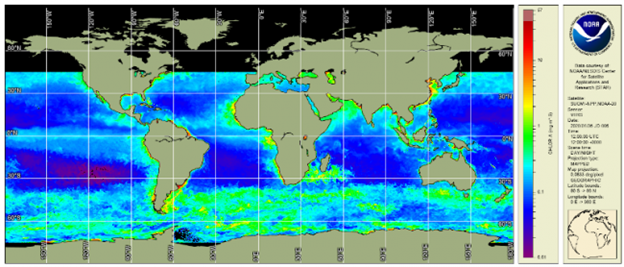
Yongsheng Zhang For his excellent support of NOAA’s data stewardship activities for satellite oceanographic data.


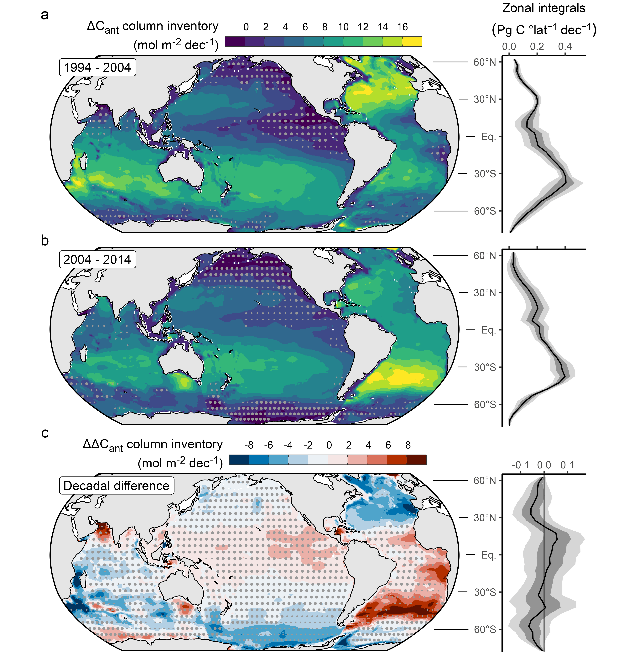
Liqing Jiang, Alex Kozyr, and Hyelim Yoo – For their contributions to Ocean Carbon and Acidification Data System activities, including international collaborations and products.


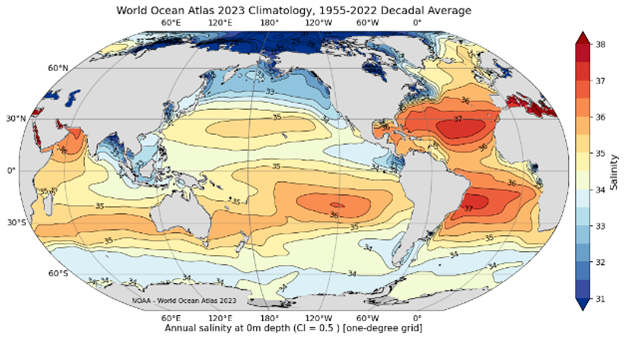
Alexey Mishonov – For his scientific leadership with the World Ocean Database Seasonal Estimates of Ocean Temperature, Salinity, Heat Content, and Steric Sea Level.


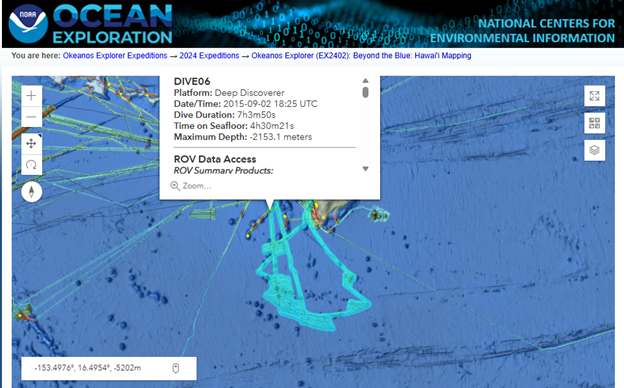
Anna Lienesch For being a highly valued member of the Ocean Exploration data management team, ensuring that milestones are met and tasks are completed.


Rebecca Wenker and Rasheeda Alexander For helping execute the priority needs of NOAA’s Coral Reef Conservation Program, including a website overhaul for the US Coral Reef Task Force. They are a critical resource to both the Coral Program and NCEI.

This article was put together by the CISESS coordinators based on scientist input.

Picture of Debra Baker

Debra Baker

Debra Baker is the Coordinator for the Cooperative Institute for Satellite Earth System Studies (CISESS) at the University of Maryland. She received her M.S. in atmospheric science from the University of Maryland, College Park. Before joining ESSIC in 2013, she worked on air quality issues at the Maryland Department of the Environment. Debra also has a law degree from Harvard Law School.

Picture of Kate Cooney

Kate Cooney

Katherine Cooney is a part-time faculty assistant at the Cooperative Institute for Satellite Earth System Studies (CISESS). Kate received a B.S. in environmental science and policy from the University of Maryland (UMD), College Park. She later earned a M.S. in geology from UMD, while investigating the isotopic fractionation of precipitation nitrate under the guidance of Distinguished University Professor James Farquhar. After graduation, she worked as an air-quality specialist at the Mid Atlantic Regional Air Management Association in Baltimore, Maryland. While her family was stationed in Tokyo, Japan, she dedicated her time serving military families and the local community. She is grateful for the opportunity to return to earth system studies, supporting the CISESS Business Office and assisting the CISESS Coordinator Deb Baker since January 2021.

Picture of Maureen Cribb

Maureen Cribb