University of Maryland researchers are uncovering the climate benefits of southern Florida’s wetlands, highlighting their critical role in storing carbon and mitigating greenhouse gas emissions.
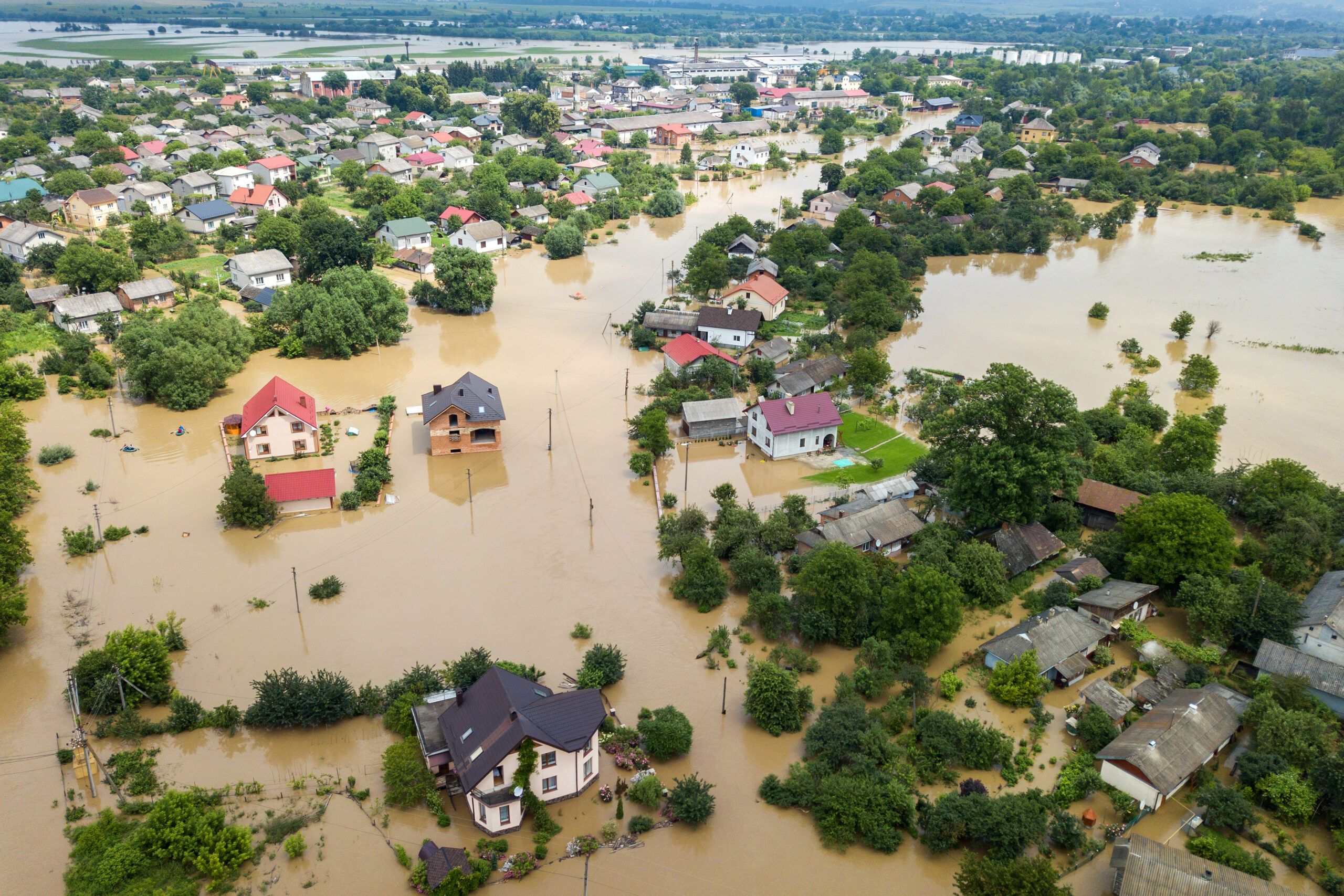
Coastal and freshwater ecosystems worldwide have been in decline over the past century, largely due to agricultural expansion and urban development. Wetlands provide a wide range of benefits to communities, from protecting shorelines against storms and flooding to supplying clean water, supporting fisheries, and offering safe habitats for biodiversity. They are also among the most productive ecosystems on Earth, naturally removing carbon dioxide from the atmosphere and storing it in vegetation and submerged soils.
To manage such a large wetland ecosystem like the Everglades, the team draws on three sources of information: measurements from the air, observations on the ground, and advanced modeling. The flight team designs sensors that detect carbon dioxide and methane emissions from aircraft flying over South Florida, providing a regional snapshot that would be impossible to capture from the ground alone. At the same time, the ground team tracks how concentrations of these gases shift from moment to moment, recording changes every few seconds. The upscaling team then feeds this information into models powered by cutting-edge machine learning and NASA’s computing resources.
“What begins to set our method apart is not just that it’s data-driven but it’s also multi-scale,” said Cheryl Doughty, Assistant Research Scientist at the Earth System Science Interdisciplinary Center (ESSIC) and lead author of the study published last week in the Proceedings of the National Academy of Sciences, “What this simply means, is we want to collect as much data as we can for a more complete picture of how both carbon dioxide and methane greenhouse gases are changing over space and time.”
The study found that southern Florida’s natural wetlands remove around 14 million metric tonnes of carbon dioxide per year, the equivalent to around 10% of the carbon dioxide emitted by Florida’s transportation sector. At the same time, the wetland emitted around 6 million metric tonnes of methane (in carbon dioxide equivalents) per year, offsetting around half of the climate benefit of carbon dioxide removal.
They also found that between 2000 and 2024, the wetlands were steadily removing increasing amounts of carbon dioxide from the atmosphere. Although methane emissions also rose, they grew at about half the rate of carbon dioxide removal. Overall, the region’s wetlands in 2024 were removing roughly 18% more greenhouse gases than they were in 2000.
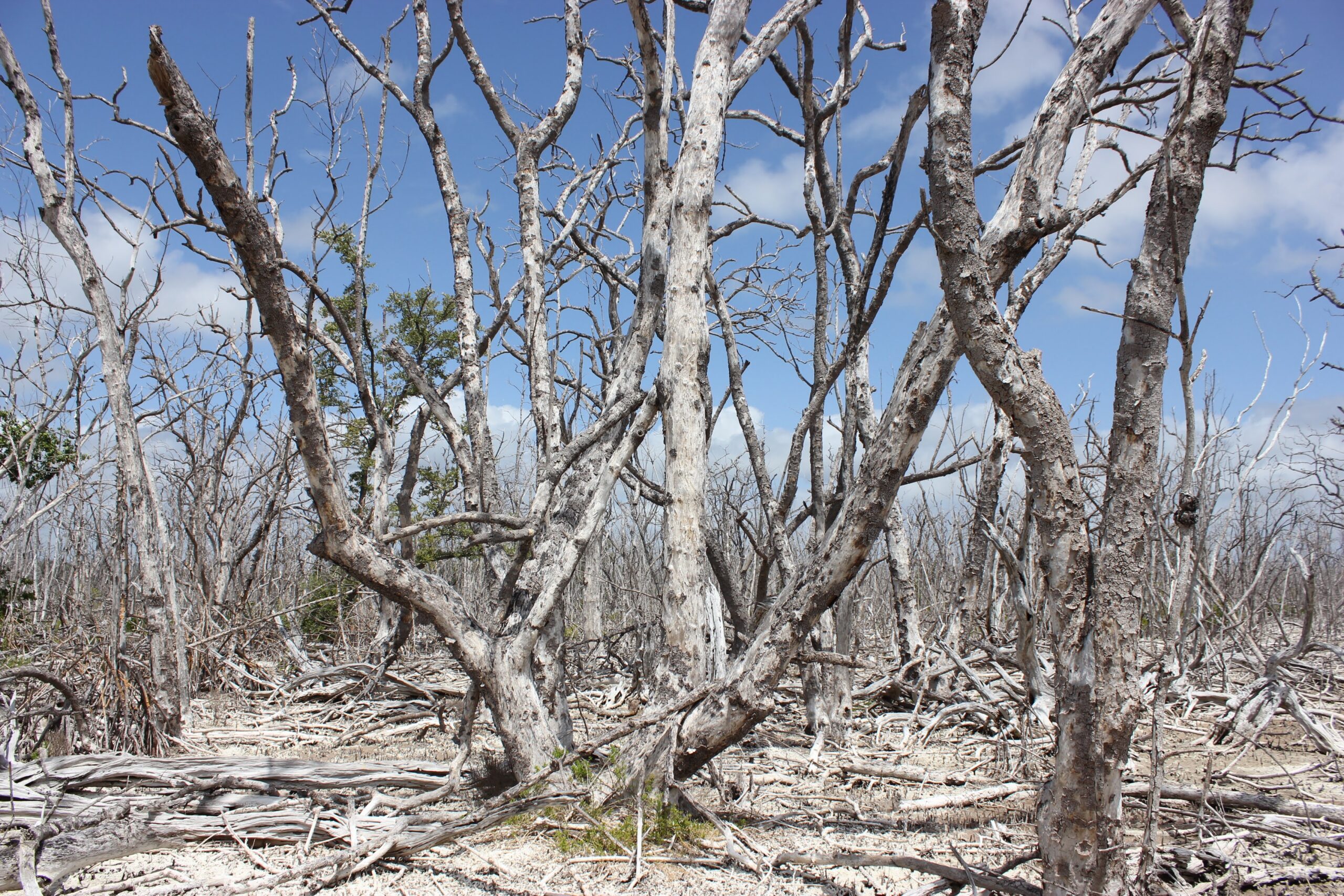
Much of this carbon removal comes from coastal ecosystems, including mangroves, which are particularly important but also highly vulnerable to hurricanes. The researchers found that after hurricanes, mangroves experience sharp drops in carbon dioxide uptake that can take four to five years to recover to pre-storm levels.
“Mangroves are among the most productive ecosystems in the world at taking up and storing carbon long-term below ground. When healthy mangrove forests are destroyed quickly – through a “pulse” event like a hurricane – there is usually an abrupt loss of the carbon held in the trees themselves, the woody trunks, the green leaves that photosynthesize, and the roots that hold soils in place,” said Doughty, “When lost or damaged, we’re losing all the results of the productivity in both trees and soils that have been building up over many many years.”
By offering a long-term, region-wide view, the research provides valuable insights for future management decisions and highlights the potential of Florida’s wetlands to help mitigate climate change.
The data are accessible and viewable on Google Earth Engine. The work was carried out in collaboration with scientists from the NASA Goddard Space Flight Center, University of Maryland’s Earth System Science Interdisciplinary Center (ESSIC), Yale University, East Carolina University, Florida International University and University of Alabama.