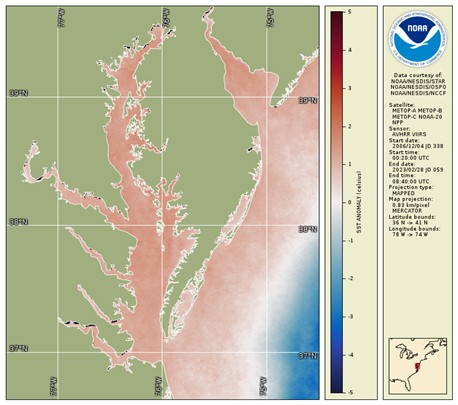
How Satellites Help Maryland’s Coastal Economy
From crab boats to cargo ships to the bustle of Ocean City’s boardwalk, Maryland’s economic prosperity is closely tied to its coast. However, managing this

From crab boats to cargo ships to the bustle of Ocean City’s boardwalk, Maryland’s economic prosperity is closely tied to its coast. However, managing this
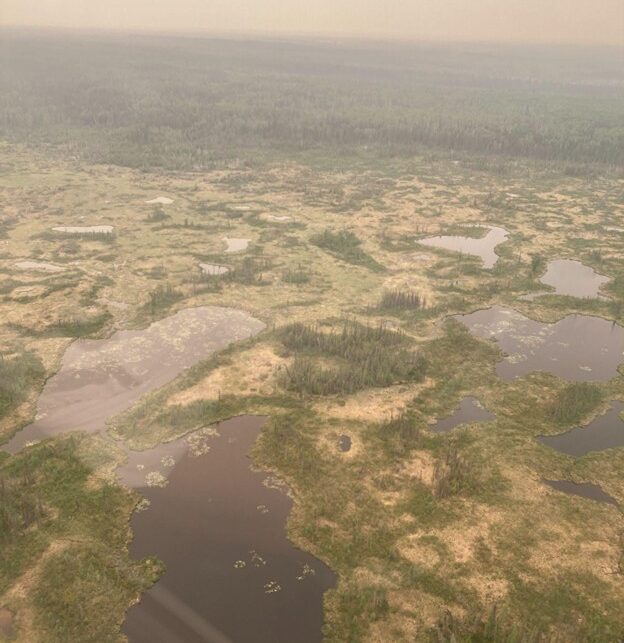
Permafrost thaw bogs in the Northwest Territories, Canada. A nearby fire caused haze in the scene. Photos were taken from a helicopter. Photos by Kyle
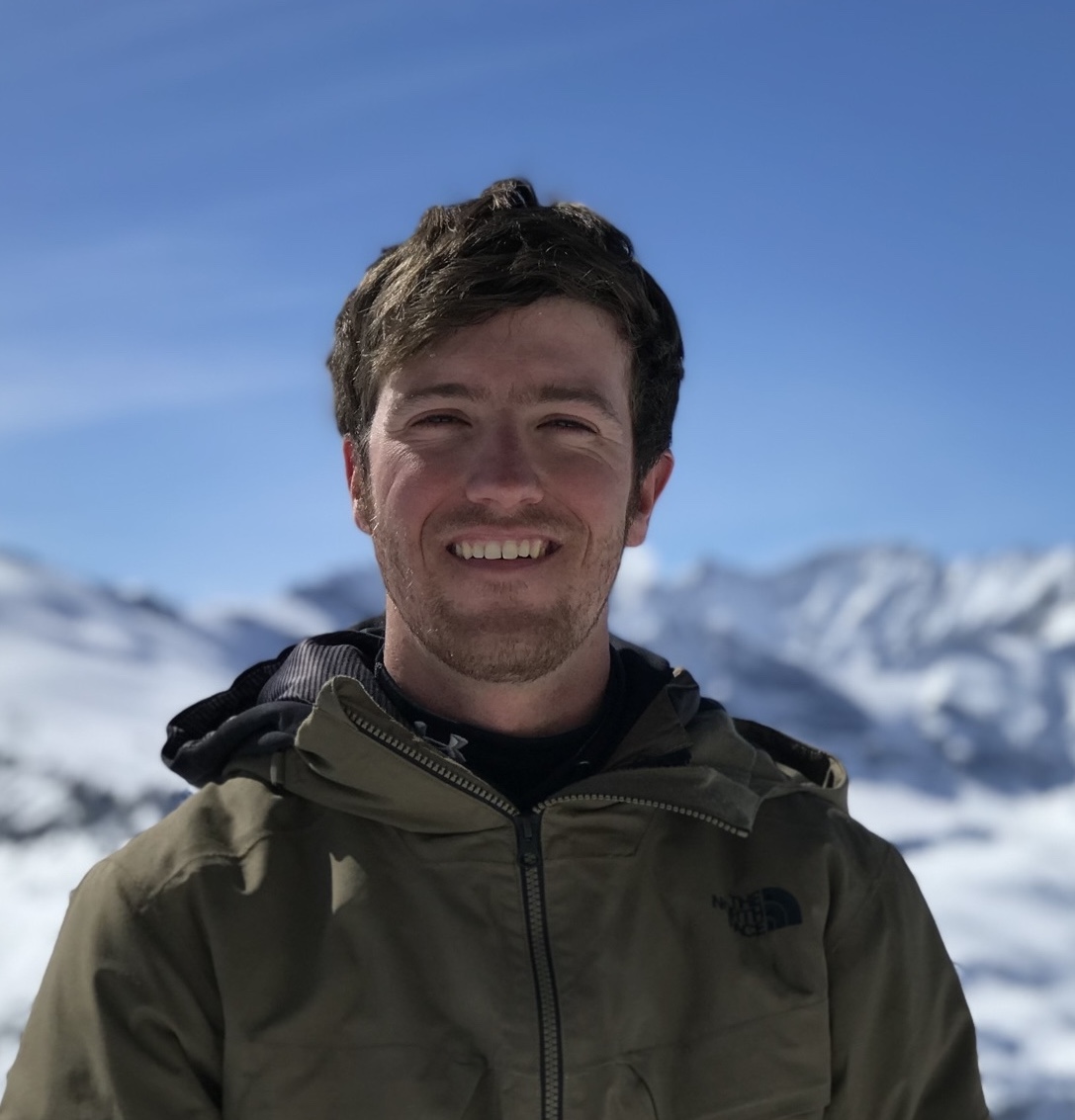
Congratulations to Justin Pflug, a recipient of a 2025 NASA Agency Honor Award. Pflugreceived an Early Career Achievement award, a prestigious honor that recognizes “unusual
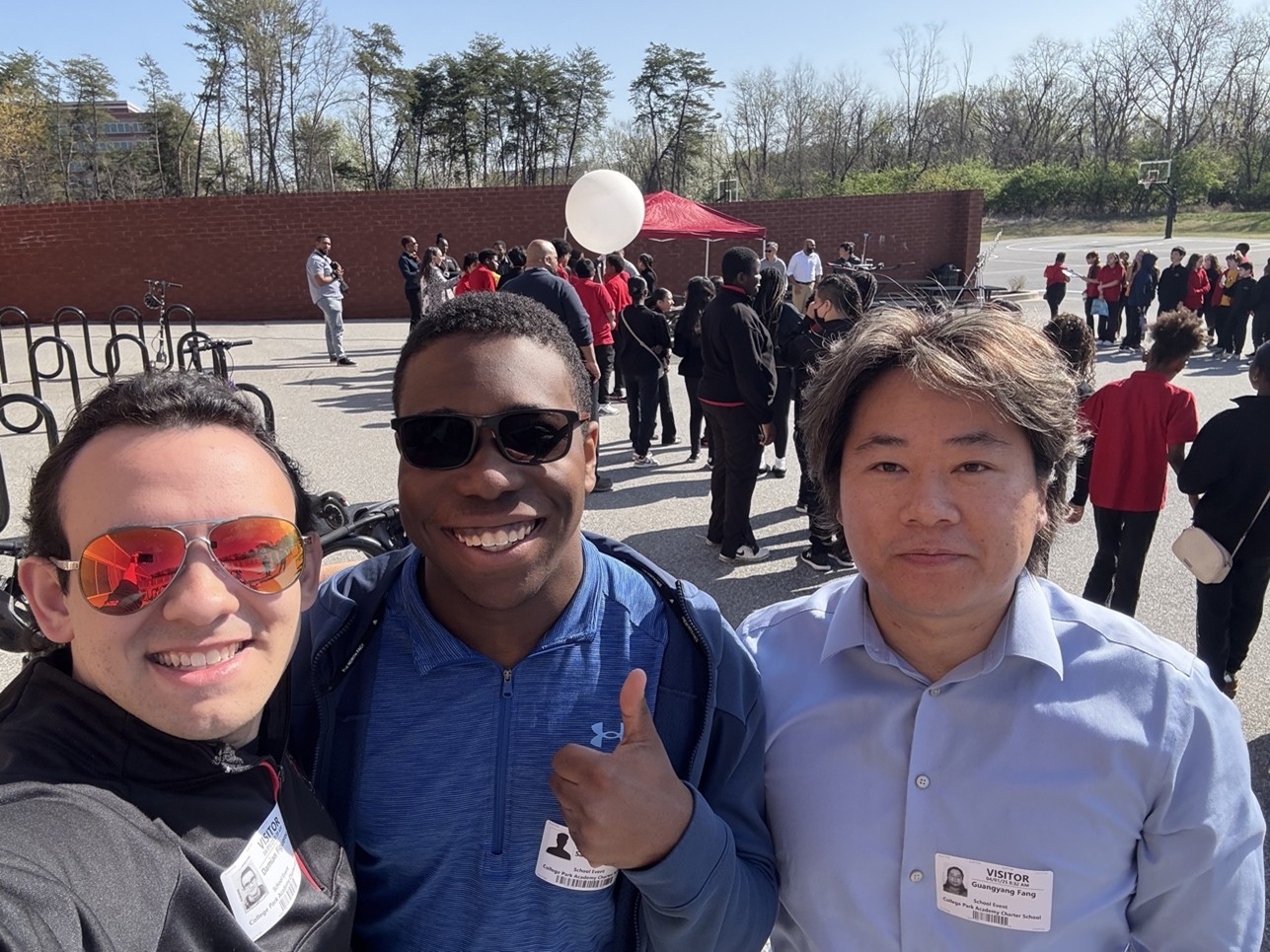
Figure 1. CISESS Interns Damian Figueroa and Samuel Wiggins, along with Dr. Guangyang Fang (from left to right) at the NWS Weather Day held at
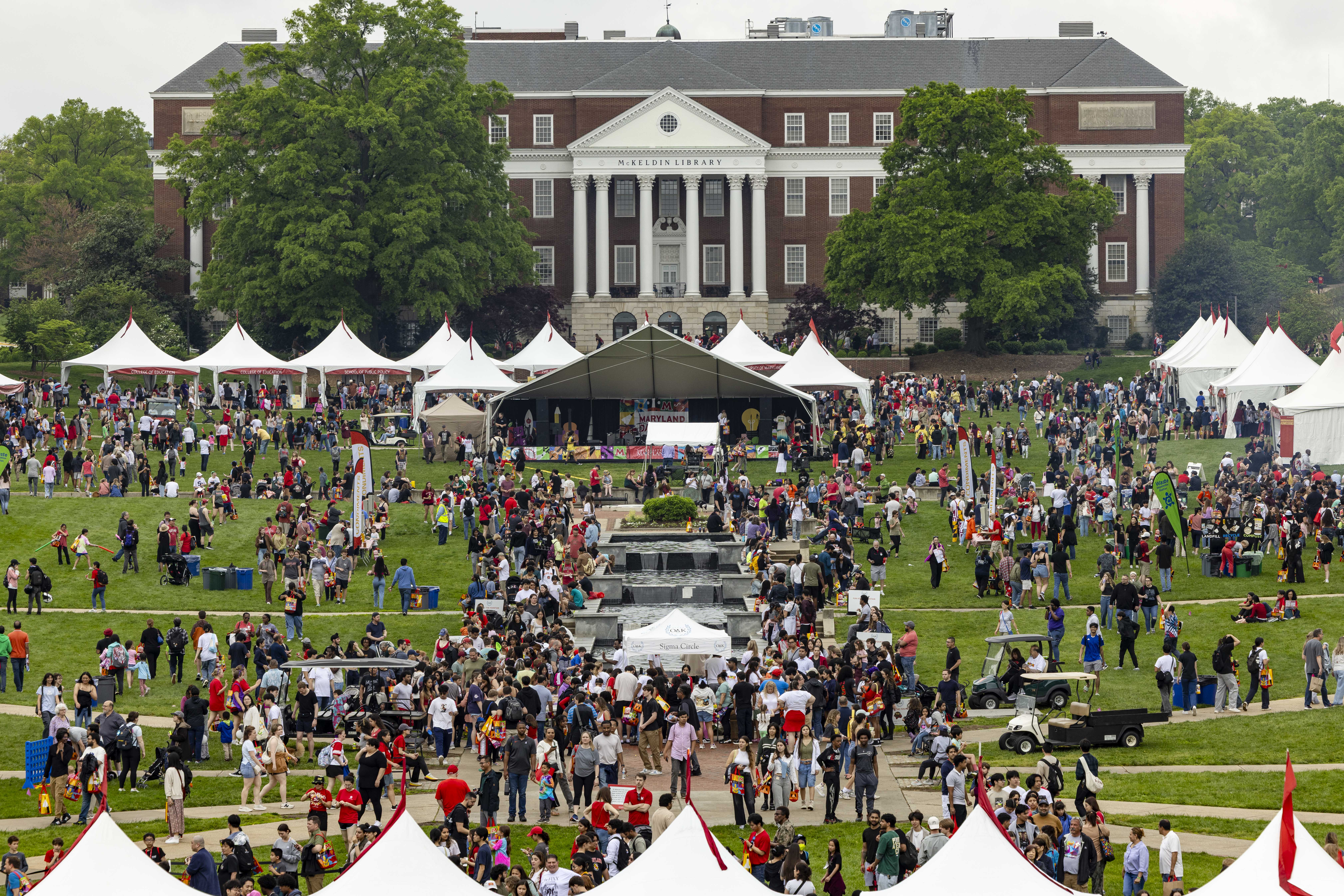
Maryland Day 2025, University of Maryland, April 26, 2025. Photo courtesy of John T. Consoli/University of Maryland On April 26, the University of Maryland held

On March 27, the University of Maryland celebrated the achievements of over 250 faculty scholars and researchers at the 2025 Maryland Research Excellence Celebration. The

In most situations, University of Maryland scientist Guangyang Fang would advise you not to walk into a lightning strike. But now, he’s encouraging everyone to
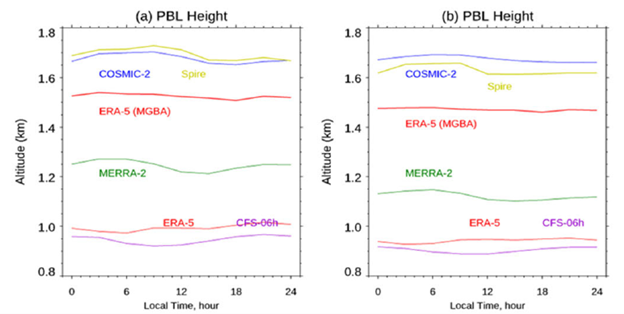
The planetary boundary layer (PBL) is the lowest layer of the atmosphere, and performs essential regulating actions like exchanging heat, moisture, and chemical constituents between
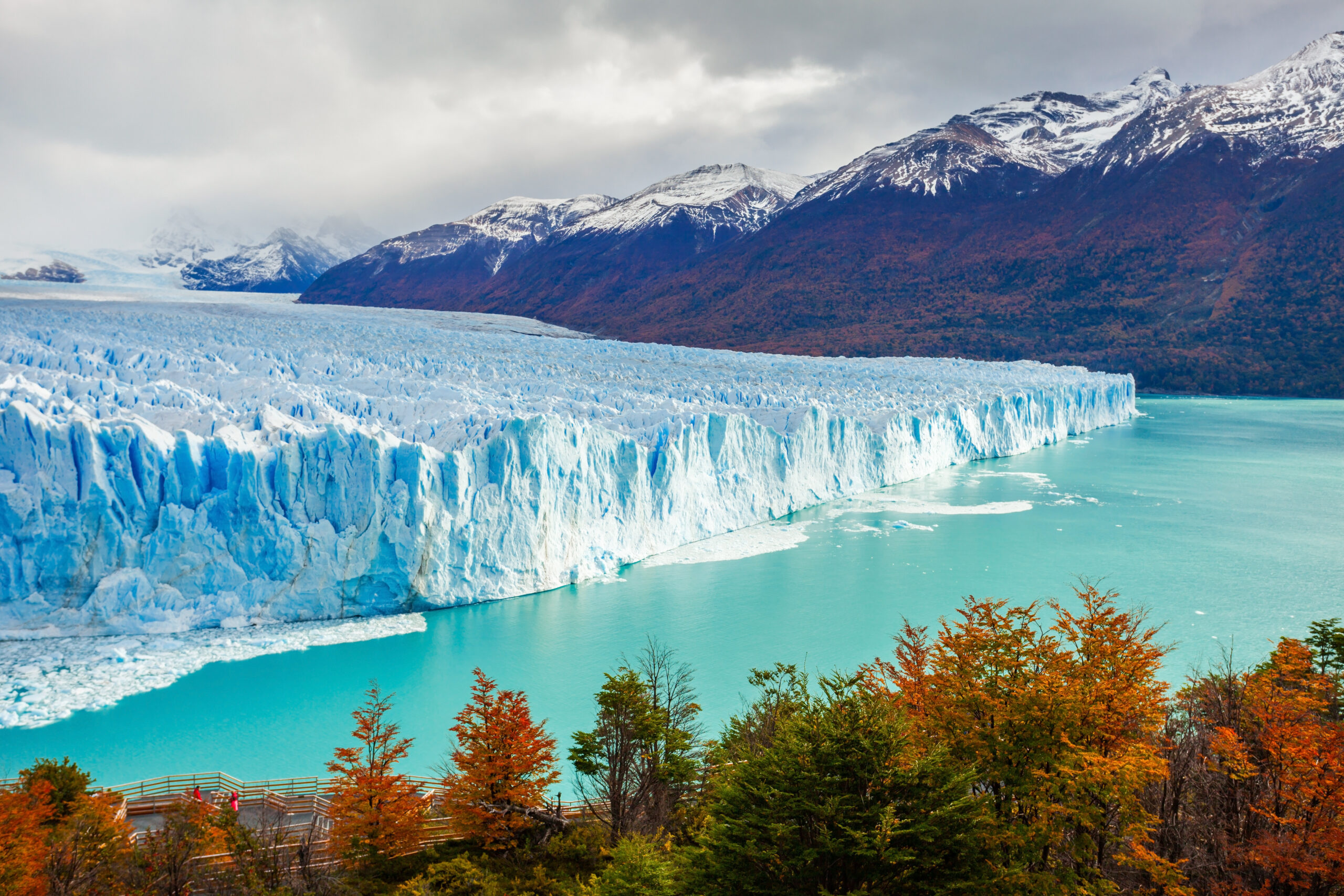
With global temperatures climbing, it’s more important than ever to precisely measure ice loss. Cryospheric scientists use satellite measurements, like those from ICESat-2, to accurately
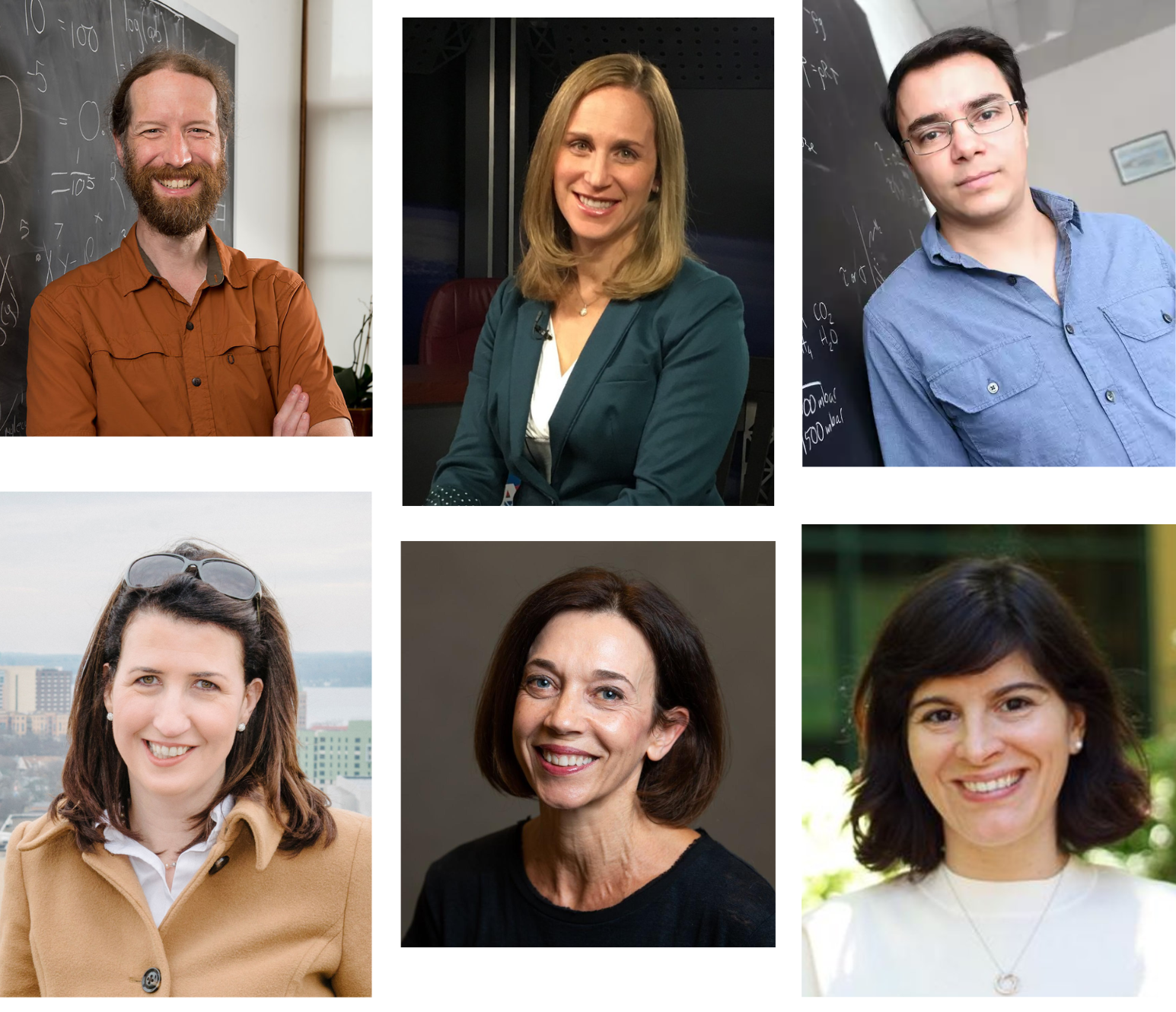
Welcome to the Spring 2024 semester! We are pleased to announce the return of ESSIC’s Seminar Series. We have a wonderful lineup of senior and junior scientists who are prepared to deliver some compelling presentations about their work and research both in-person and remotely.
Some of our speaker highlights include Dalia Kirschbaum, Director of the Earth Science Division of NASA Goddard Space Flight Center; Neil M. Donahue, Director of Carnegie Mellon’s Steinbrenner Institute as well as professor and AGU Fellow; Claudia Tebaldi, scientist at Pacific Northwest National Laboratory’s Joint Global Change Research Institute and AGU Fellow; Ines Azevedo, associate professor at Stanford; Tracey Holloway, professor at UW–Madison and member of National Academy of Medicine; and Juan Lora, assistant professor at Yale.
Please click “Read more” for our full lineup and to add these events to your calendar now!