
$8.16M Gift Honors Longtime Supporter of UMD Science and Arts
The Brin family’s commitment was matched by a $3.25M award from the state for 2 endowed chairs.

The Brin family’s commitment was matched by a $3.25M award from the state for 2 endowed chairs.
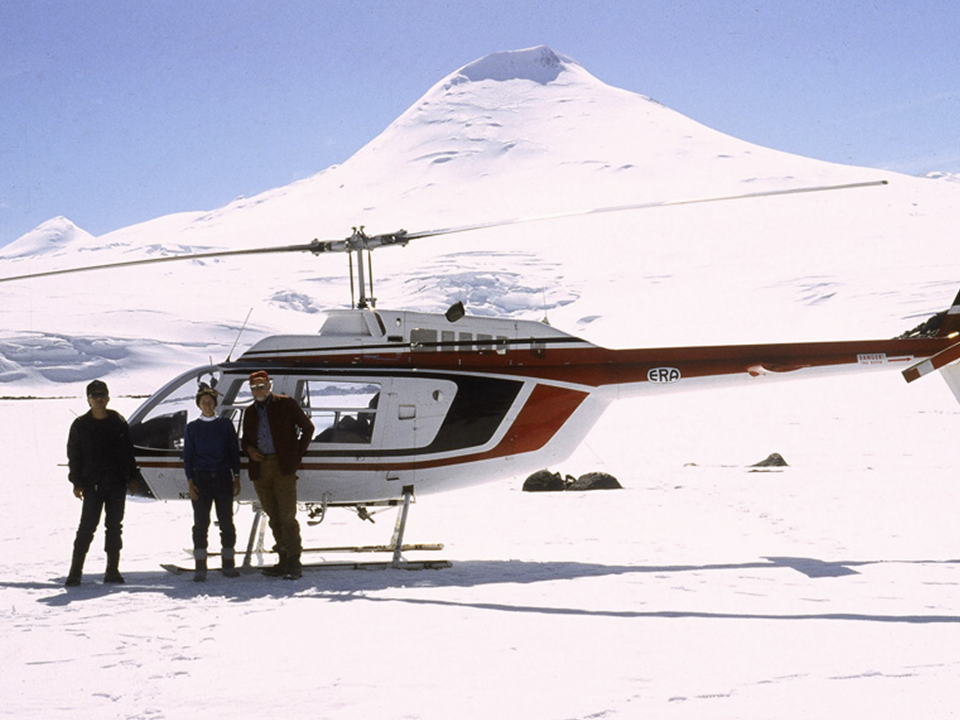
“Hot, sticky, miserable weather” – you might think that description reflects a typical Maryland summer. But actually, those words were written 72 years ago, by glaciologist Carl Benson while working on the Greenland Ice Sheet.
In 2023 and 2024, Earth’s average global surface temperature spiked nearly 0.3 degrees Celsius above what was already expected from climate change. Each year was declared the hottest on record and coincided with deadly wildfires, heat waves and historic numbers of climate-related disasters.
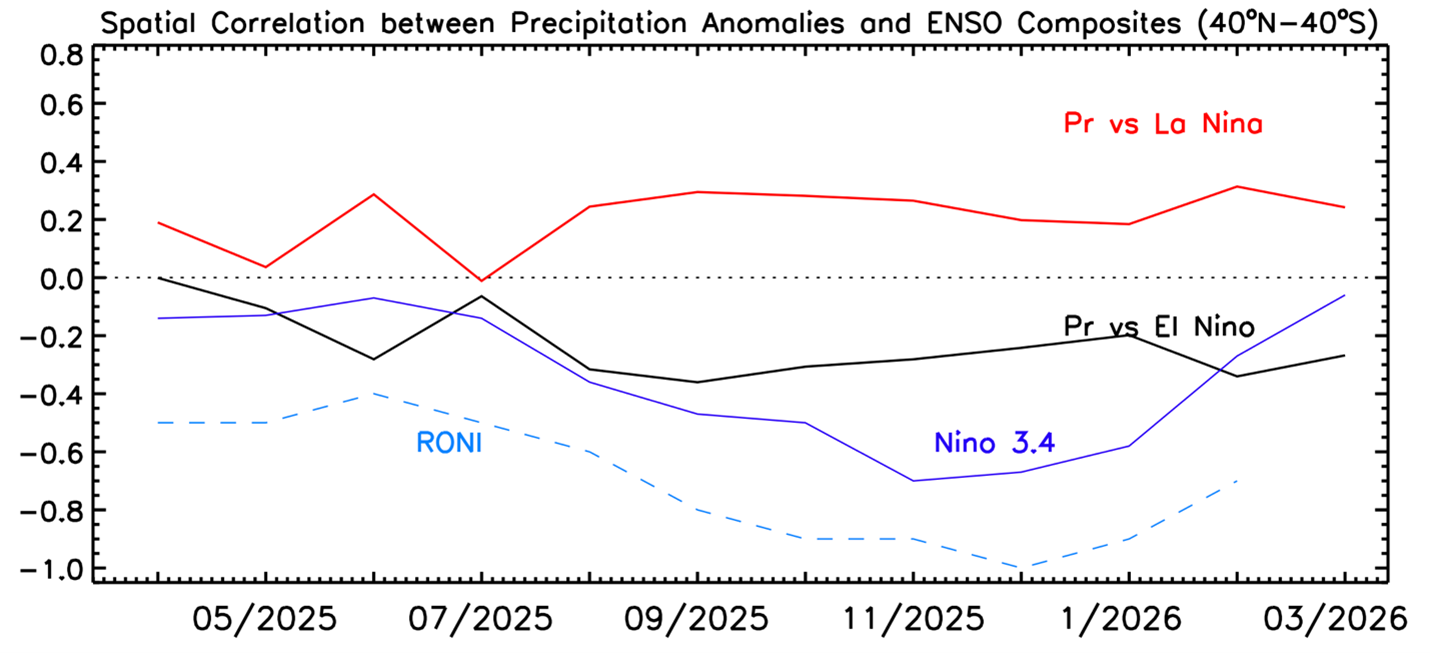
Download Headlines: La Nina weakens, but aspects of rainfall anomaly pattern still evident Flooding in Hawaii consistent with La Nina pattern Still dry across southern

ESSIC scientist Liqing Jiang is a co-author of a paper that has received the Frontiers Planet Prize, an international recognition honoring research that advances scientific solutions for planetary health.
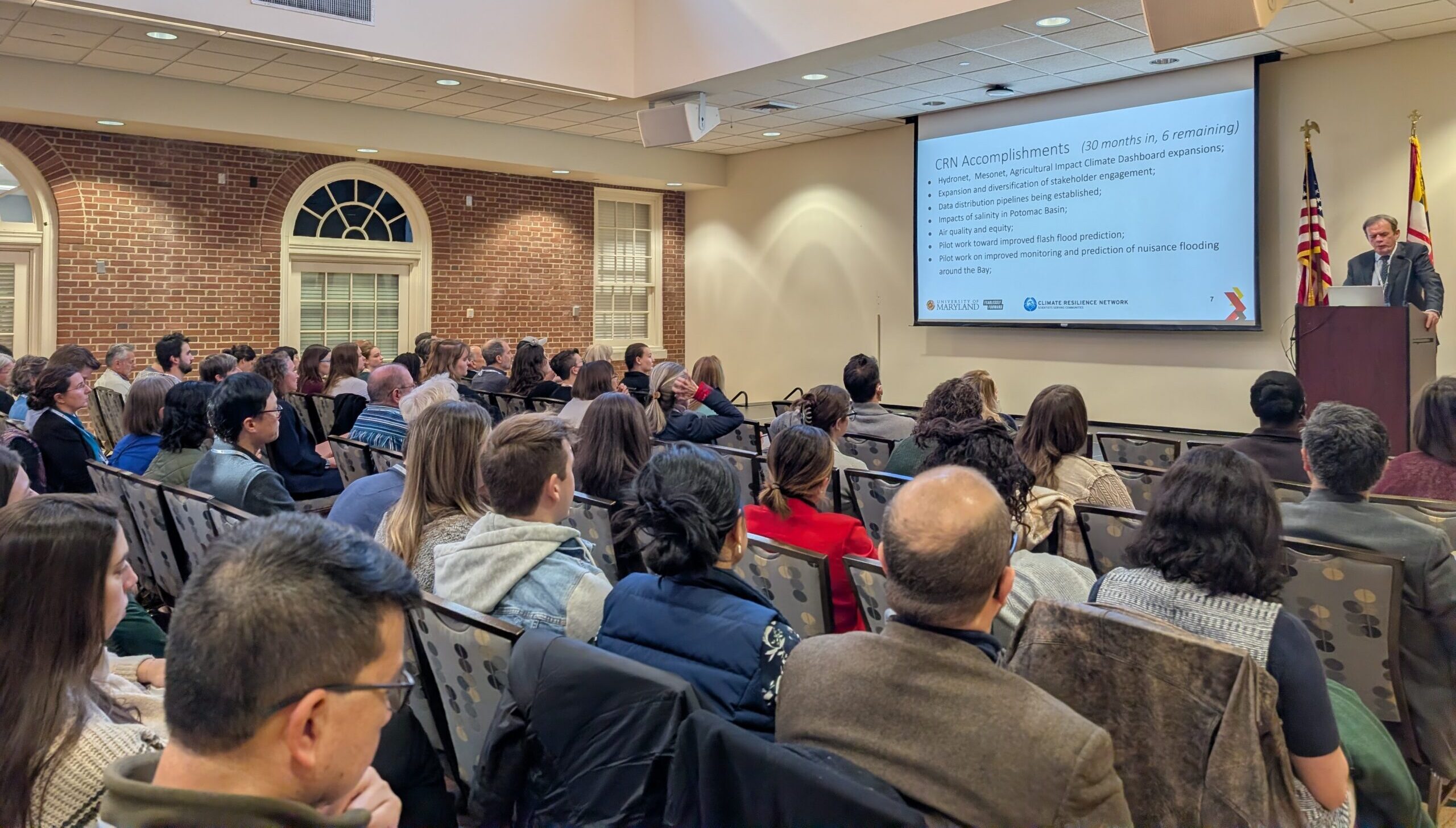
On January 20-21, University of Maryland’s Earth System Science Interdisciplinary Center (ESSIC) successfully hosted its third annual Scientists Serving Communities workshop, bringing together over 200 researchers and community leaders from across Maryland to advance climate resilience through collaboration, dialogue, and shared learning.
Download Headlines: A La Nina pattern dominates the tropics in the annual anomaly map The 2025 anomaly pattern again reinforces the long-term precipitation trend pattern
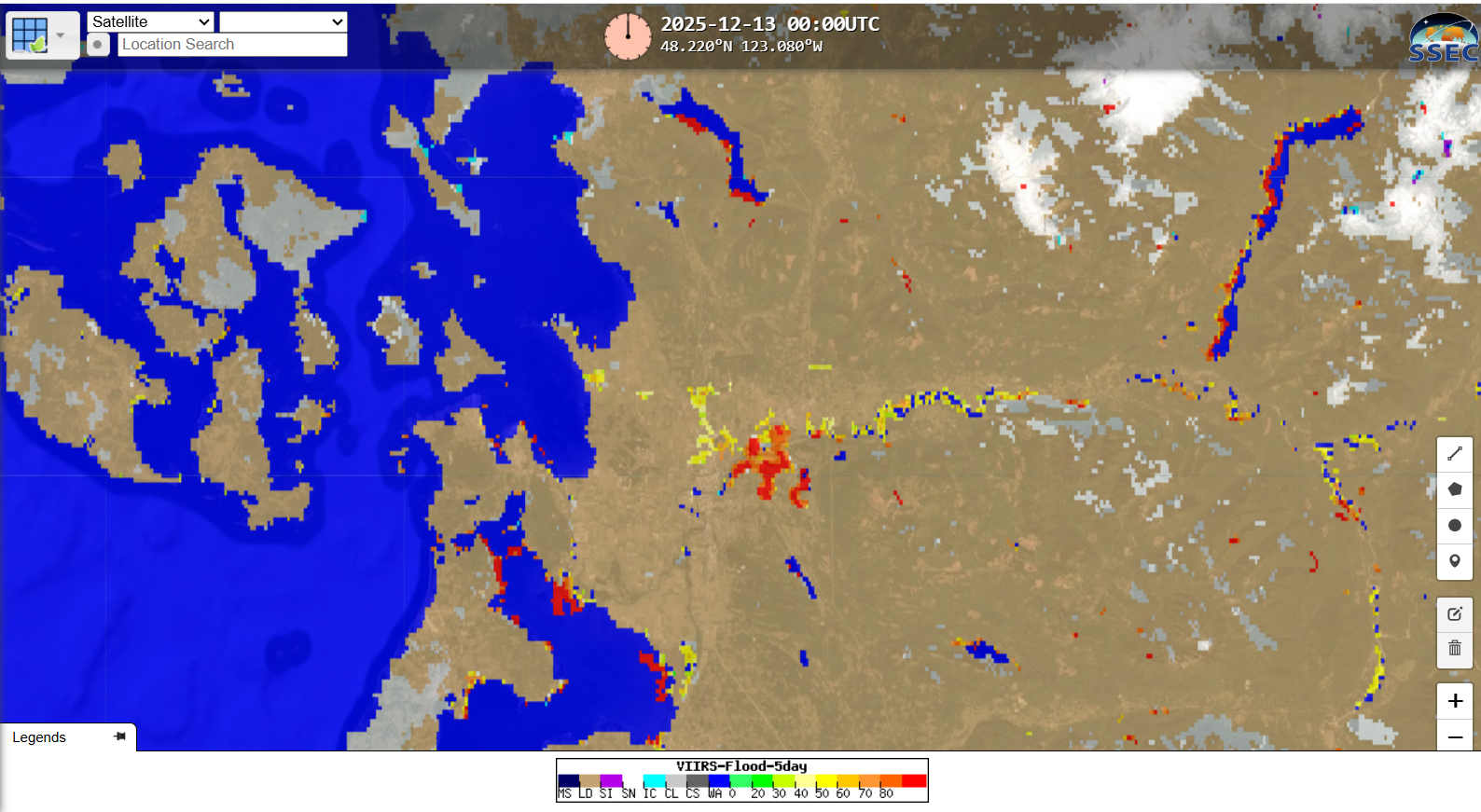
A series of atmospheric rivers (ARs) pounded the Pacific Northwest last week, resulting in catastrophic river flooding. The NWS Weather Prediction Center (WPC) seven-day Quantitative
Last week, the Earth System Science Interdisciplinary Center held their annual Collaborative Partner Reception and Awards Ceremony. During the event, ESSIC Director Lars Peter Riishojgaard
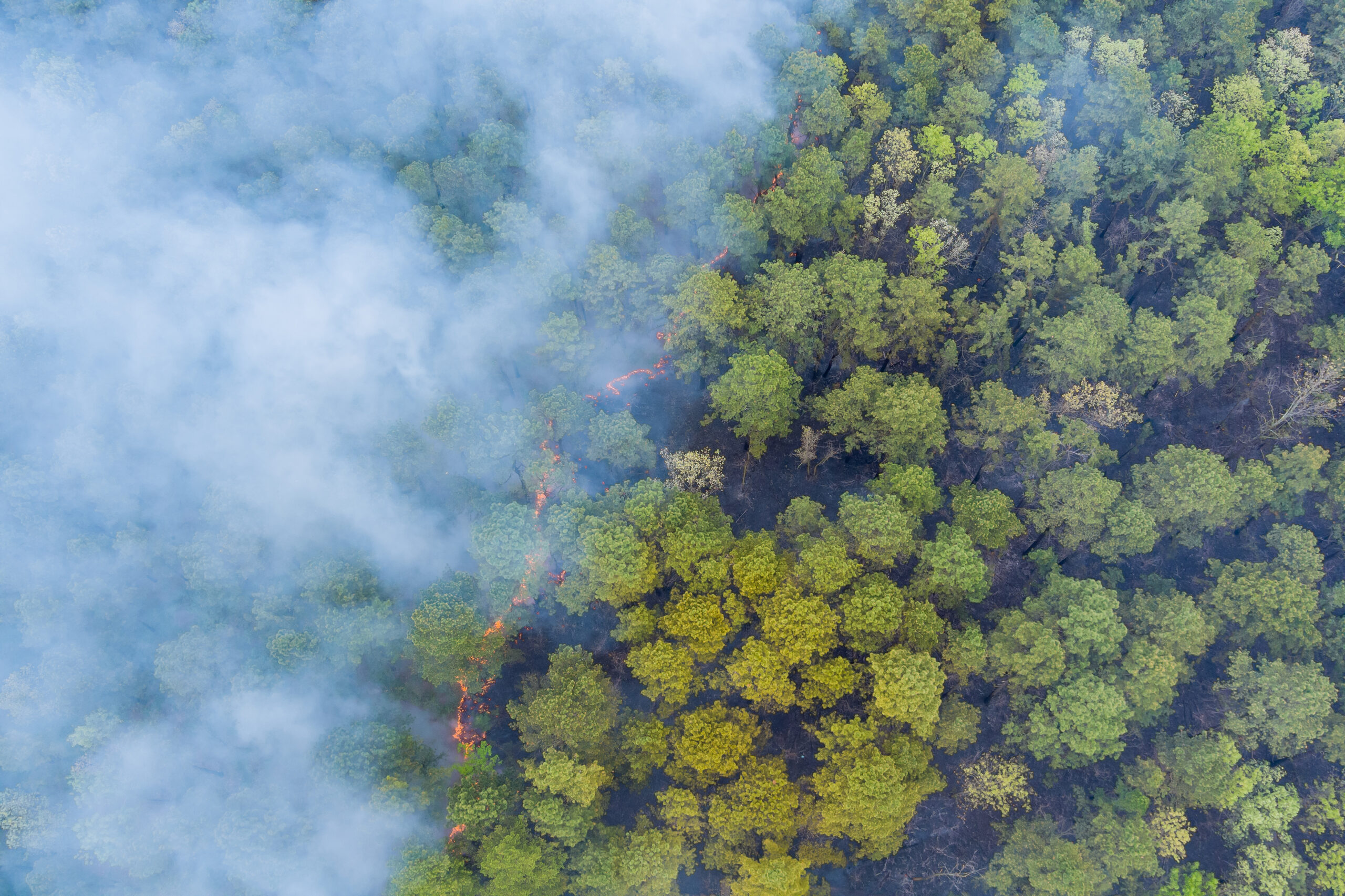
Wildfires are a growing threat to the global population. As temperatures rise, rainfall patterns shift, and the landscape is modified, fires are becoming more difficult